Category: At The Seams
-
Gold
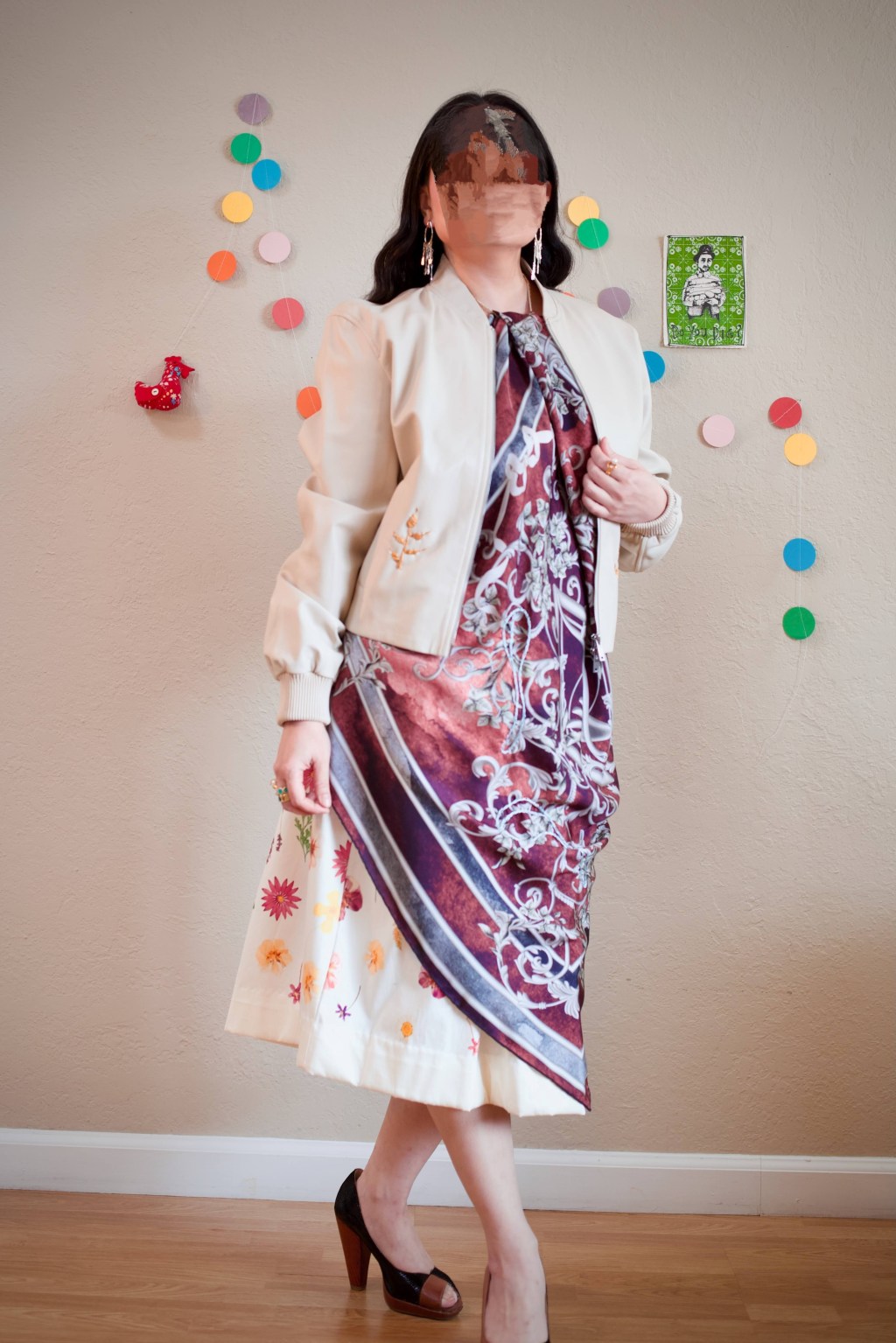
“And live! Oh, let him live! Deck him out in Sheba gold. Offer prayers unceasing to him, bless him from morning to night. Fields of golden grain in the land, cresting the mountains in wild exuberance, Cornucopias of praise, praises springing from the city like grass from the earth.” – Psalm 72:15-16, translated by Eugene…
-
Silver
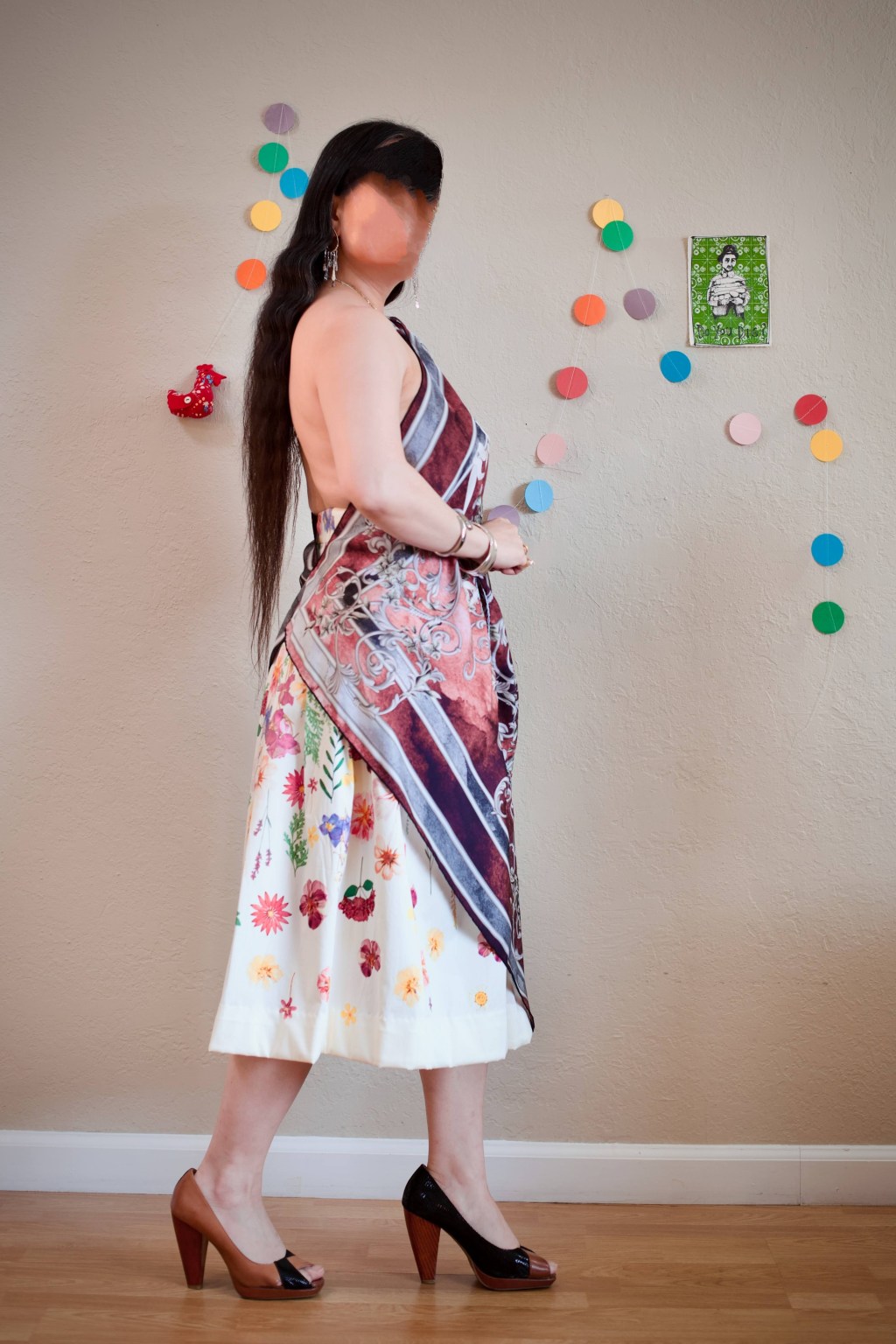
“Then one of the twelve, called Judas Iscariot, went unto the chief priests, and said unto them, What will ye give me, and I will deliver him unto you? And they covenanted with him for thirty pieces of silver.” – Matthew 26:14-15 The abundance of silver found in the Sierra Minera de Cartagena gave rise…
-
Iron
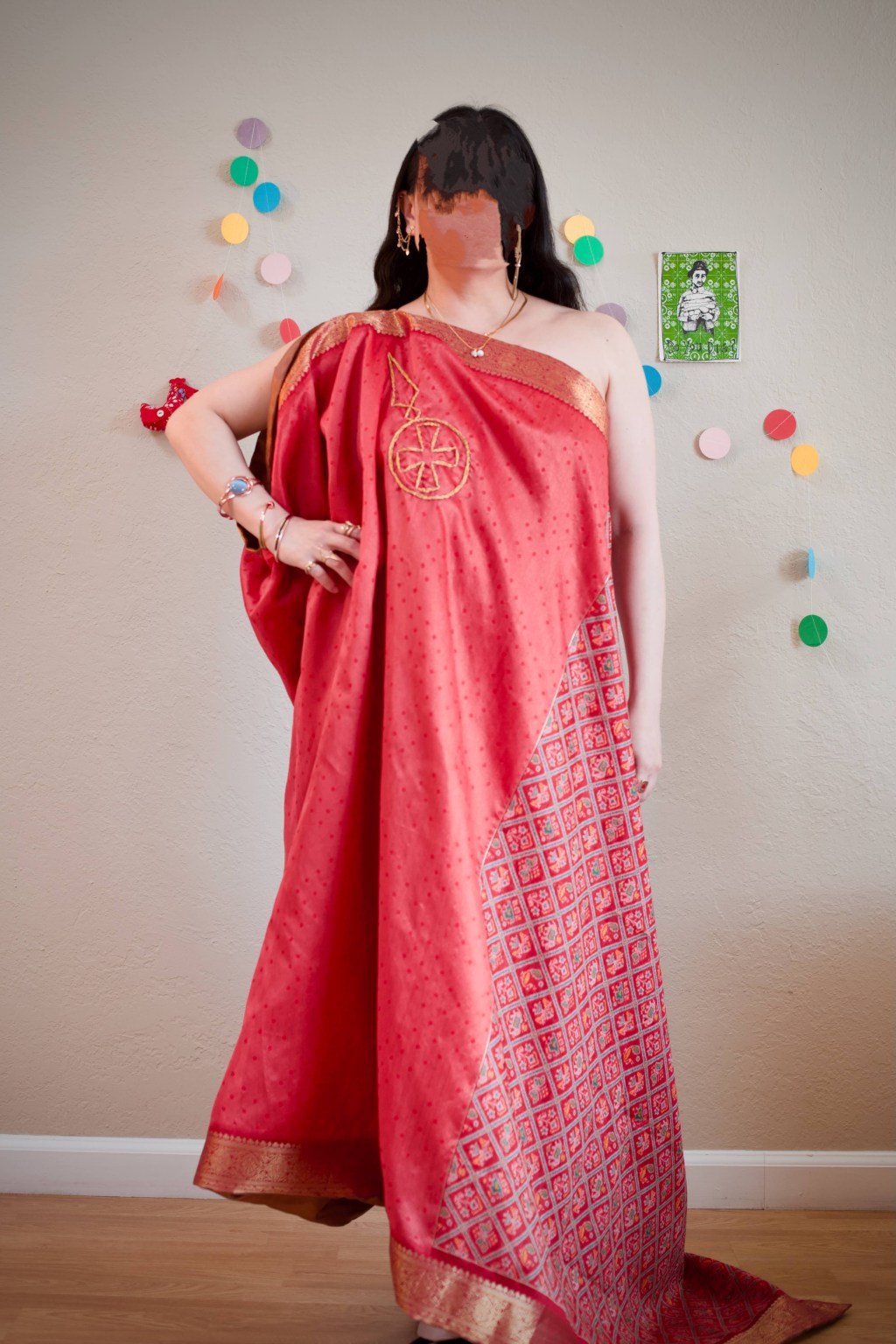
The end of the Bronze Age brought the Iron Age. With the collapse of the Bronze Age, writing was lost in mainland Greece for the next four centuries, entering Greece into its own dark age. Thus the Iron Age is also known as the Greek Dark Age. At the end of the 8th century BC,…
-
Bronze
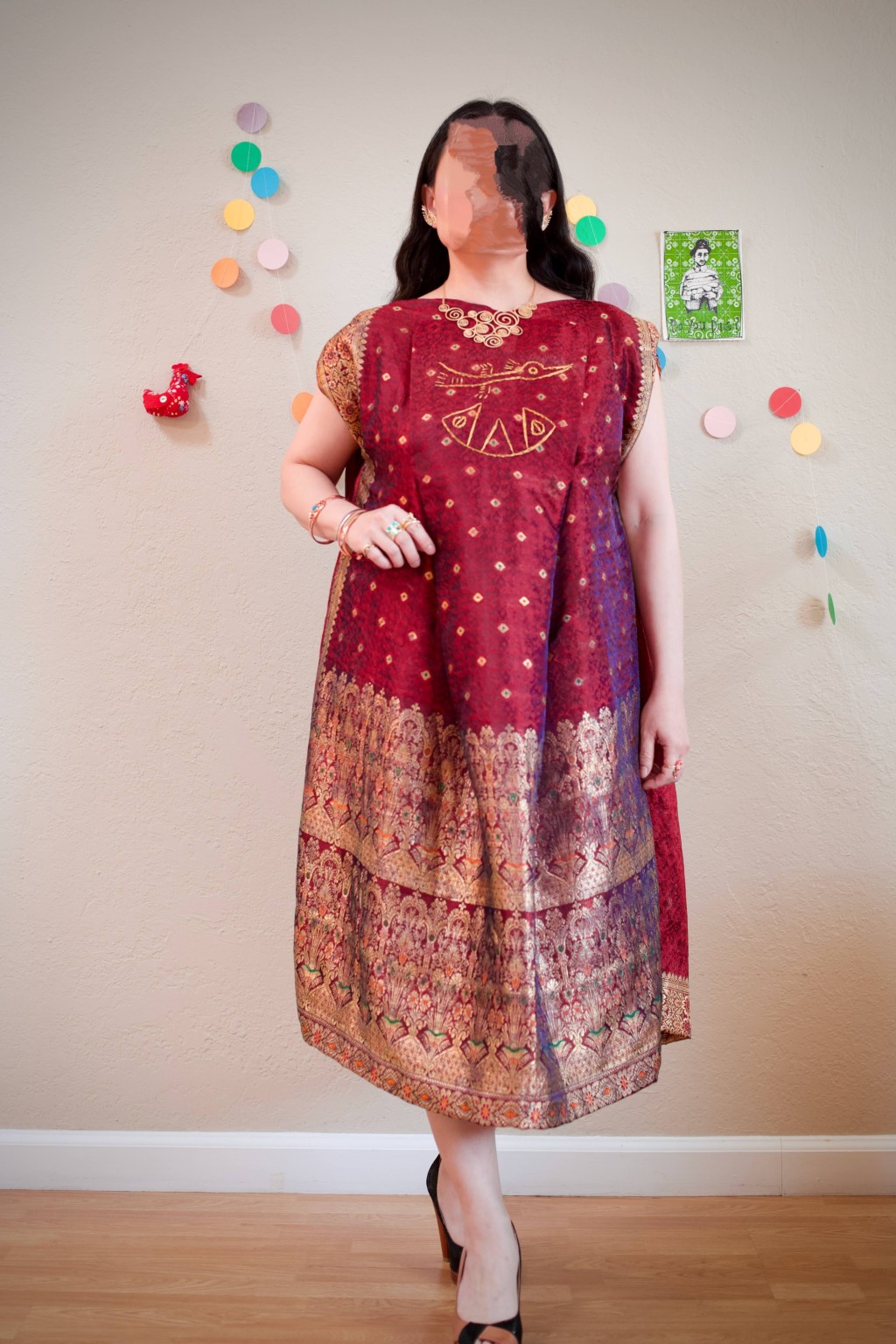
The Bronze Age, which succeeded the Stone Age, marks our discovery in the crafting of bronze, an alloy of copper and tin that is far harder and more durable than each metal alone. Not only notable in the advancement of metalwork, but the Bronze Age is considered the golden age of civilization, as numerous other…
-
The Eunuch
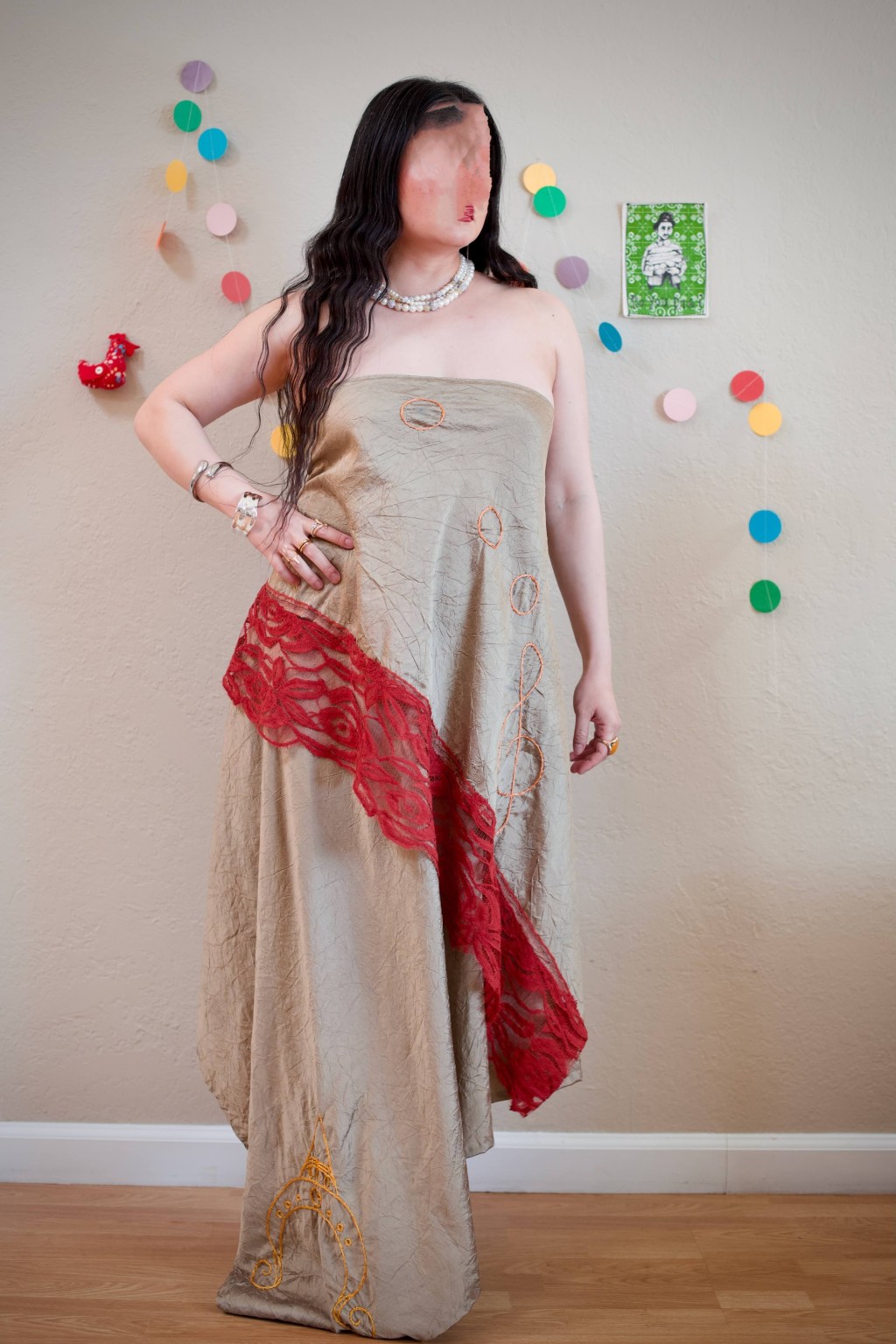
“For there are some eunuchs, which were so born from their mother’s womb: and there are some eunuchs, which were made eunuchs of men: and there be eunuchs, which have made themselves eunuchs for the kingdom of heaven’s sake. He that is able to receive it, let him receive it.”– Mathew 19:12 A eunuch is…
-
En Femme & En Homme

Once upon a time I was visiting the city of Prague and staying with a Finn whom I had met while on the road elsewhere. She was there for a EU sponsored youth work program, as this was during a time when the whole idea of intracontinental collaboration was truly very romantic and blossoming. She…
-
The Courtesan
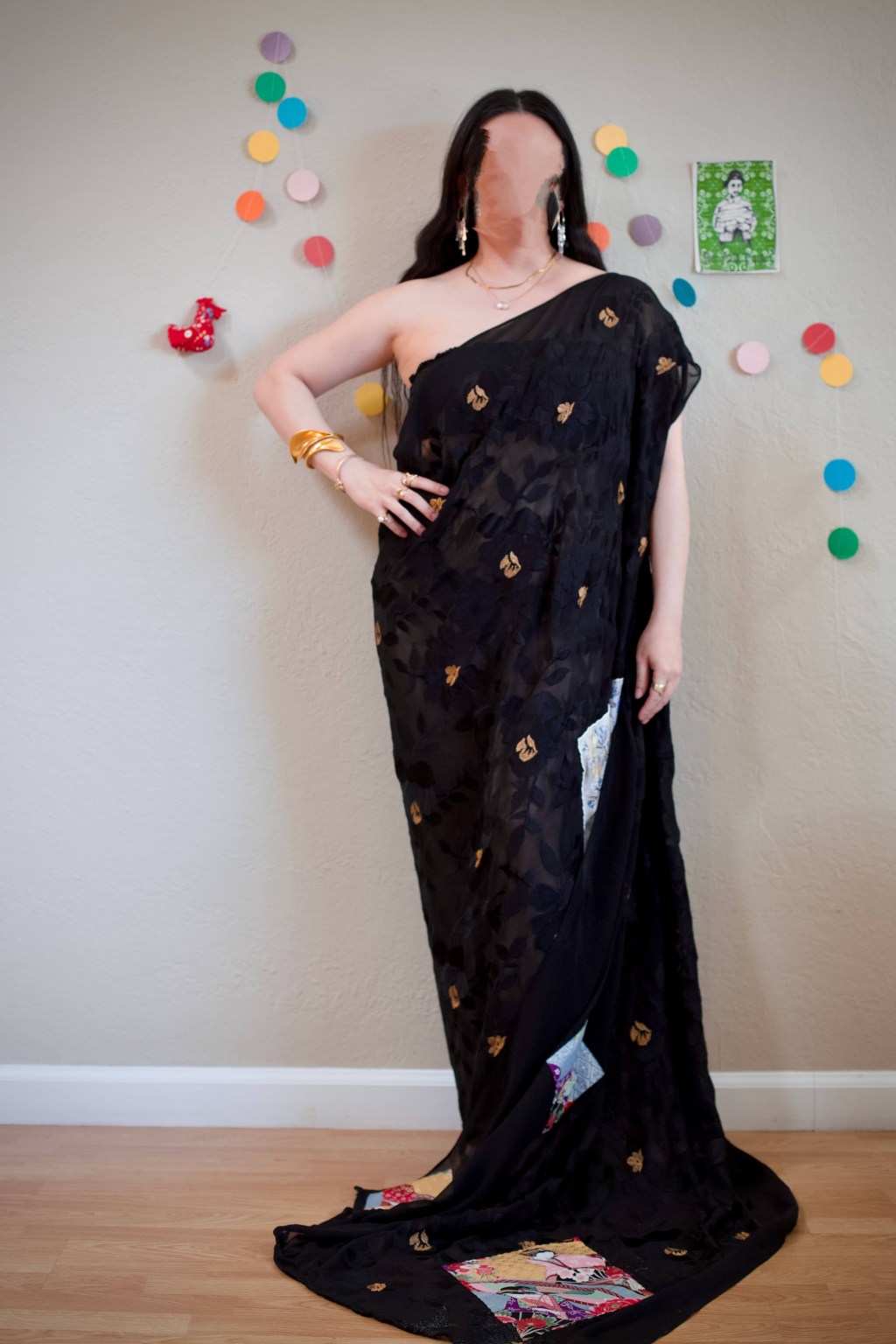
In Homer’s epic poem The Odyssey, Odysseus told of the Lotus-eaters, the Lotophagi race who lived on an island off the coast of Tunisia. On this island were full of lotus trees. “Whosoever of them ate of the honey-sweet fruit of the lotus, had no longer any wish to bring back word or to return,…
-
The Fan
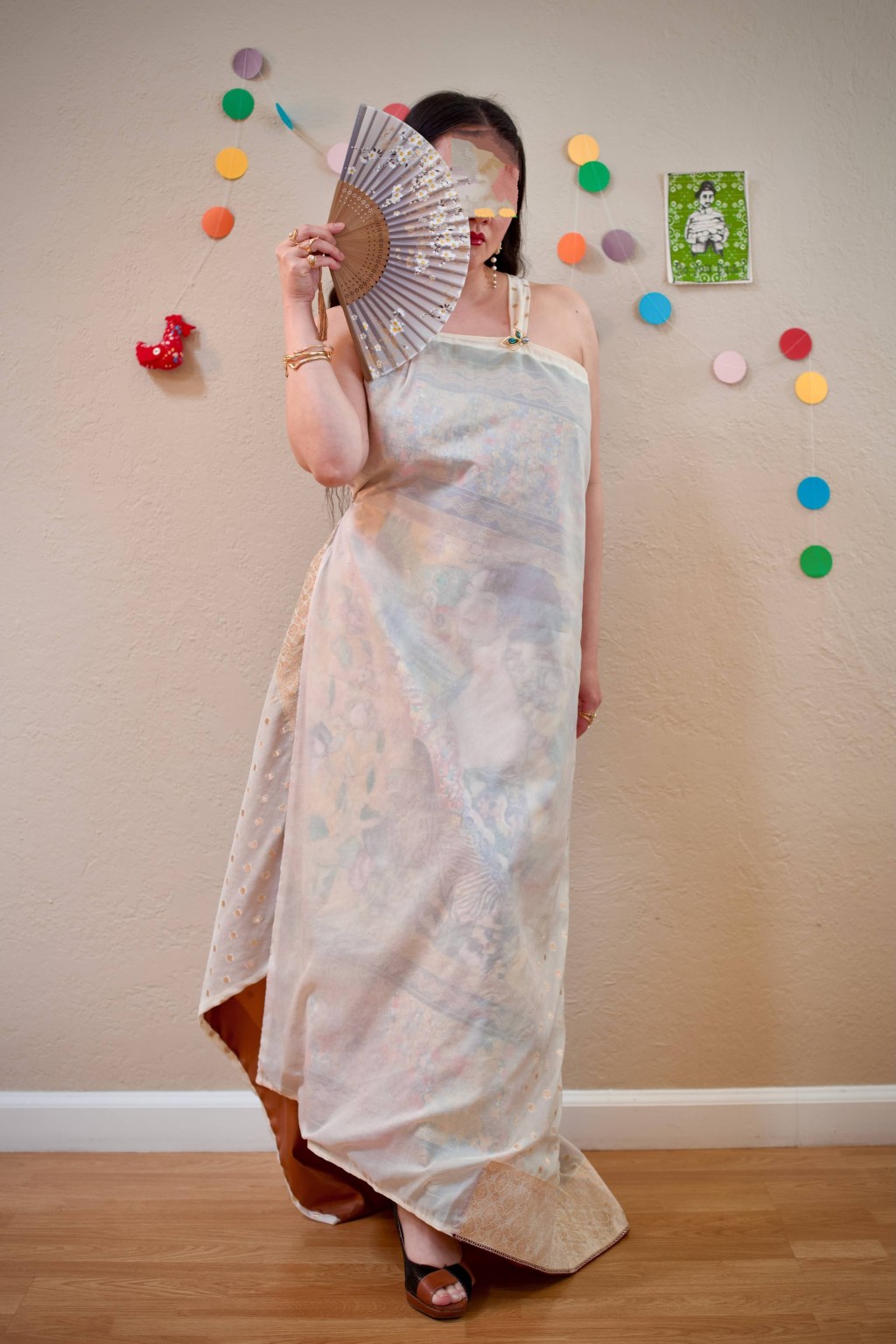
The fan is about as old as civilization itself. Sometimes it is said it is “as old as hot weather itself.” Found in the 14th-century BC Egyptian Pharaoh Tutankhamun’s tomb were eight fans, which in ancient Egypt were called “shuwt” to mean shadow or shade, and “seryt” to mean a royal or military standard. The…
-
Androgyny
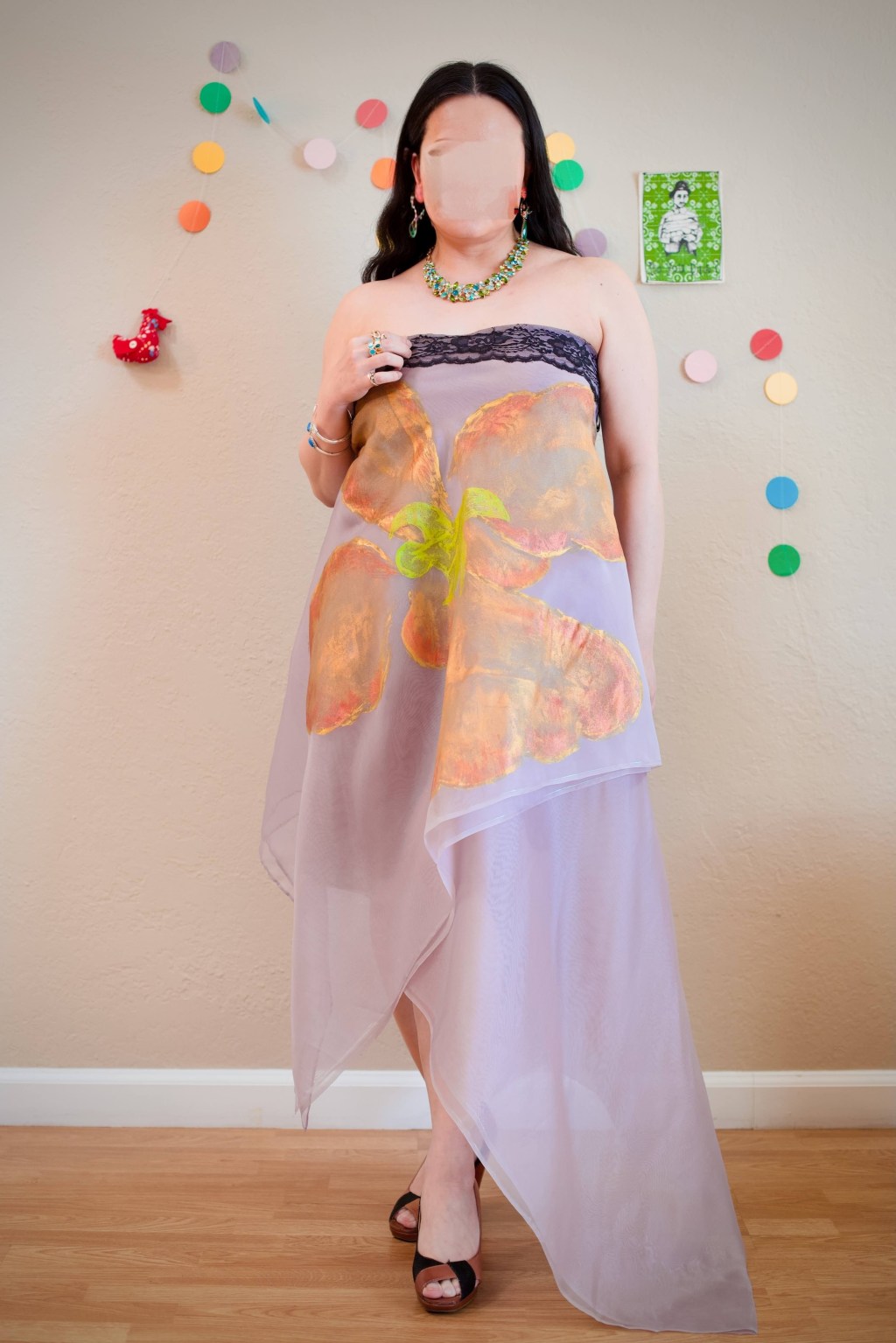
It is said that Hermaphrodite, the child of Aphrodite and Hermes, was born so remarkably beautiful that the freshwater nymph Salmacis forced herself upon him in order to keep him forever. This androgynous boy of a woman’s body with male genitals had long symbolized for the ancient Greeks and Romans erotic love, passion, and lust. …
-
Attar of Roses
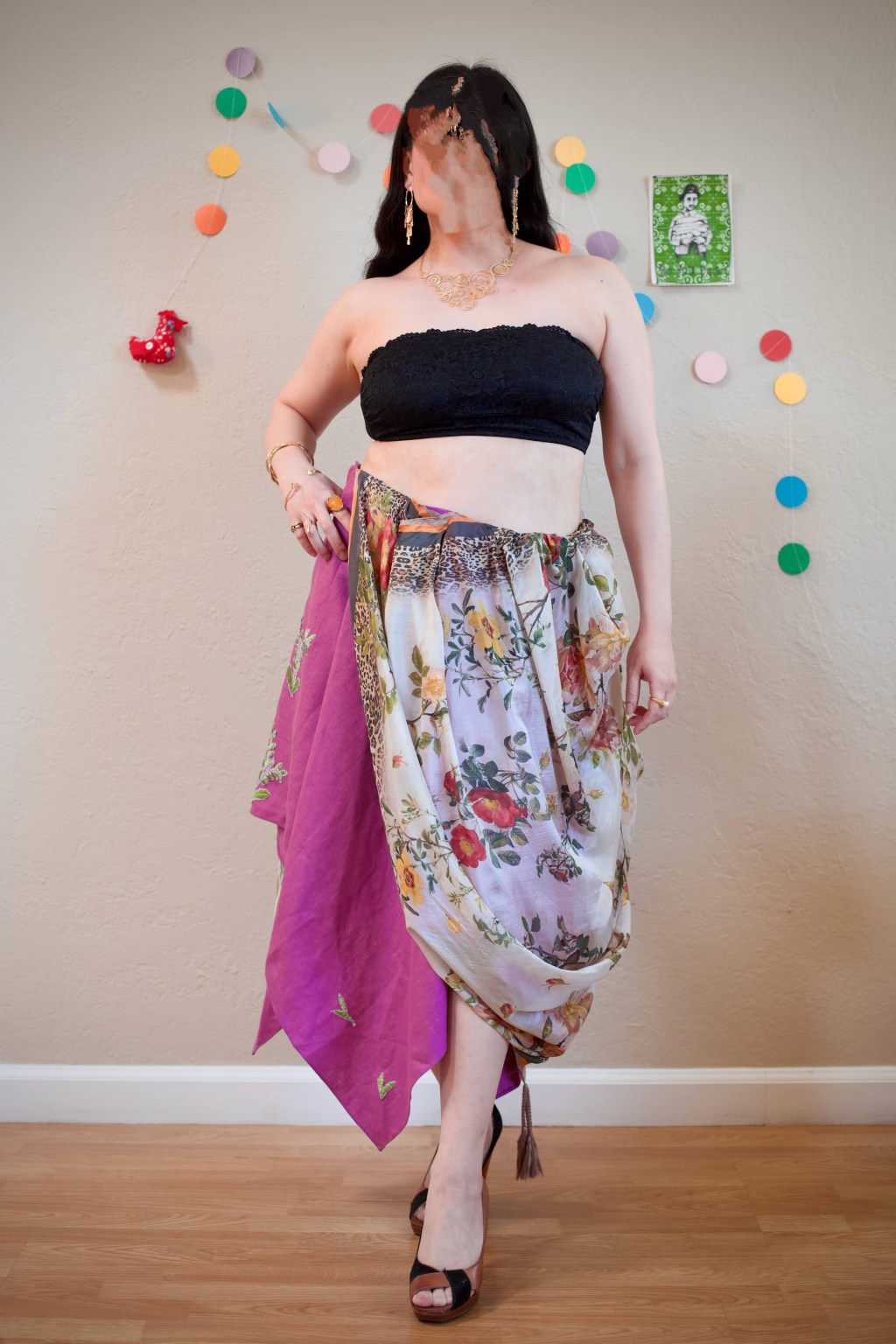
These perfumes: musk, clove… all from the hyacinthine shadows of those tresses. You think you hear a nightingale’s song… No. It is the voice of the Rose. – Fakhruddin Iraqi (1213 – 1289), Divine Flashes A classic theme within the Persian artistic tradition is that of the rose and the nightingale: the rose representing the…

