
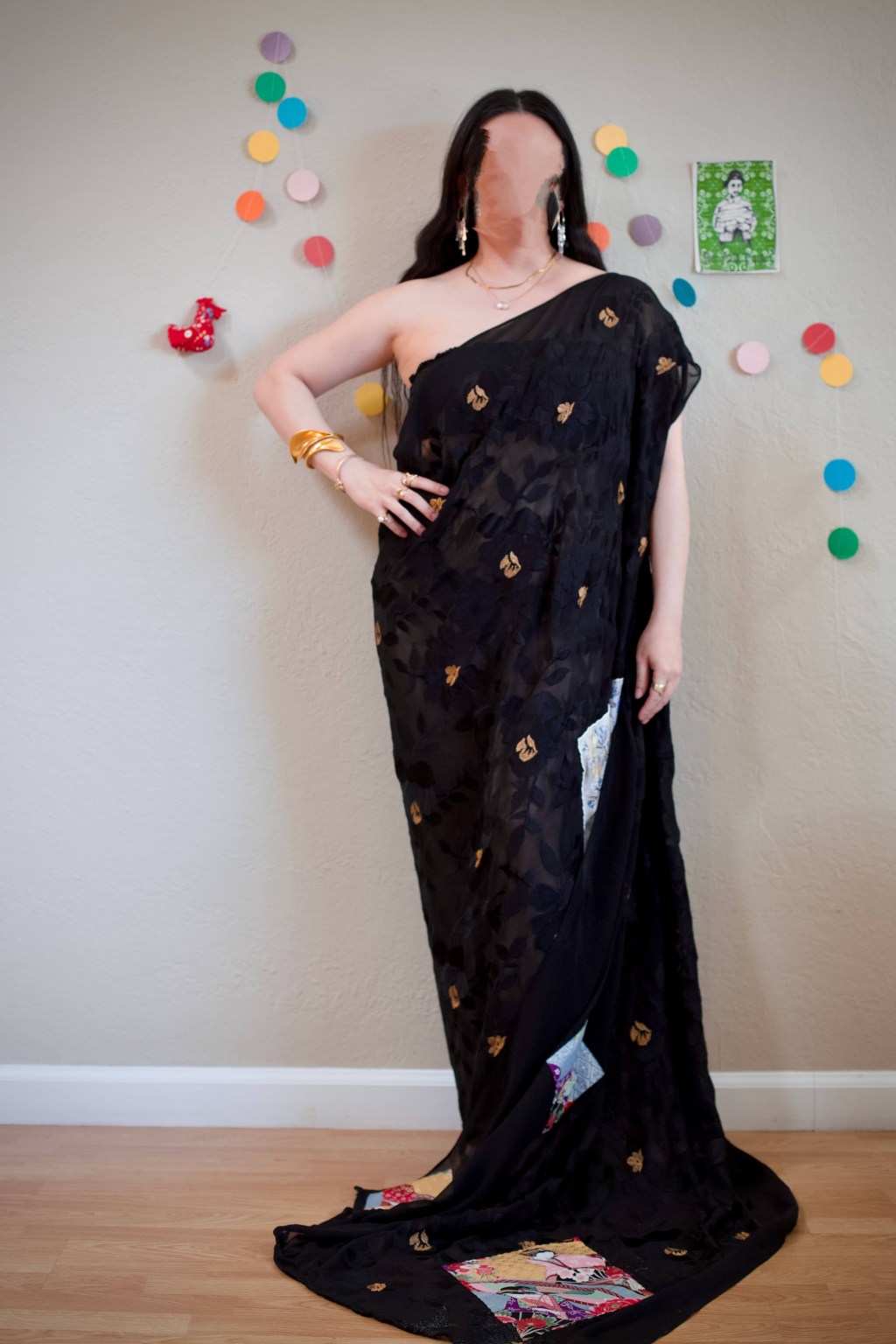
In Homer’s epic poem The Odyssey, Odysseus told of the Lotus-eaters, the Lotophagi race who lived on an island off the coast of Tunisia. On this island were full of lotus trees. “Whosoever of them ate of the honey-sweet fruit of the lotus, had no longer any wish to bring back word or to return, but there they were fain to abide among the Lotus-eaters, feeding on the lotus, and forgetful of their homeward way.” Ever since, the term “lotus-eaters” have come to describe those who pass their days indulging in pleasure and luxury. One could thus take the lotus as a symbol for the courtesan, and this island the house of pleasure, or the brothel.
Throughout the ages, the courtesan had enraptured such passion that she became the embodiment of Venus, the goddess of love, beauty, desire, sex, and fertility. Anatole France, in his novel Thaïs, described the Alexandrian courtesan of the same name: “She wore on her fair hair a wreath of pale violets, each flower of which recalled, in a paler hue, the colour of her eyes, so that the flowers looked like softened glances, and the eyes like sparkling flowers. It was the peculiar gift of this woman; on her everything lived, and was soul and harmony. Her robe, which was of mauve spangled with silver, trailed in long folds with a grace that was almost melancholy and was not relieved by either bracelets or necklaces.” The novel is based on events in the life of Saint Thaïs of Egypt, a legendary convert to Christianity who is said to have lived in the 4th century.
Certainly the courtesan’s beauty does not only reside in her appearance. 16th-century Venice recognized two classes of courtesans. The “cortigiana di lume” worked in the shades of the Rialto Bridge and was selected purely for carnal pleasure. The “cortigiana onesta”, meaning the “honest courtesan”, was selected for company and intellectual entertainment. The honest courtesans were expected to be elegant and educated, possessing knowledge in music, literature, and the arts. As the 16th-century Italian writer Pietro Aretino remarked, “Venus became a woman of letters”. Among the most famous honest courtesans was Veronica Franco, who bewitched men with her stunning beauty and talents in music, singing, dancing, and especially in writing. As a member of the most prominent cultural salons of Venice, she delighted the Venetian aristocracy with her wit and intellect, participating in academic discussions, literary seminars, and editing poetry anthologies. She was admired particularly for her poetry. In a time when the Petrarch verse dominated the literary scene, Franco composed her first collection Terze Rime in tercet to enhance the narrative rhythm of her poetry. In her poetry and letters she challenged the idealizing clichés of Petrarchan love poetry, undermining the traditional portrayal of the female beloved as a silent, distant, cruel and unattainable woman. Her poetry demonstrates her belief in the predominance of the vigor of the soul over the strength of the body, thus asserting intellectual equality between men and women, that the latter could be as competent as the former in writing about passion, love, and even sex and pleasure.
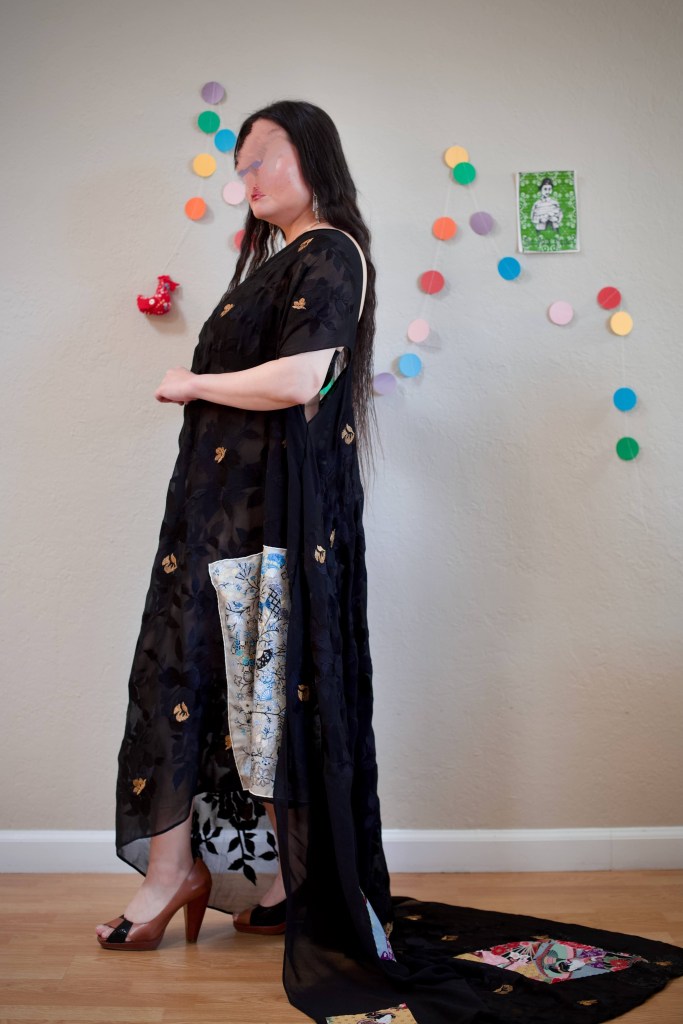
In the Far East, Japanese courtesans wore similar expectations in knowledge and talents, notably during the tenth century. This period, known as the Heian Period, witnessed the golden age of classical Japanese art and literature, in particular vernacular literature which was driven by court women. While men wrote official documents in Chinese, women popularized the phonetic kana script. The Pillow-Book, written by the courtesan Sei Shōnagon, remains a most prominent work during this time.
Sei Shōnagon was born in 966 or 967, the daughter of Kiyohara no Motosuke. The Kiyohara clan was descended from Temmu, the 40th Emperor of Japan. They are known for their devotion to learning and literature. Prince Toneri, the founder of the family, was one of the compilers of the Nihongi, or Chronicles of Japan, while Shōnagon’s great-grandfather, Fukayabu, became the typical Court-poet of the early tenth century, and his thin elegant verse still figures in every anthology. As a writer she was incomparably the best poet of her time, but it was her extreme readiness of wit that made Shōnagon remarkable. We feel that Shōnagon displayed her agile wits with the same delight as an athlete takes in running or leaping.
At the age of 20, Shōnagon attended a Buddhist Ceremony at the palace of Fujiwara no Naritoki. The heat, she said, was desolating, and they had to put up with a good deal of chaffing as they retired. His lordship Yoshichika called to Shōnagon as her carriage passed ahead: “You do well to retire.” The allusion is to a passage in the Lotus Sūtra where five thousand hearers walked out during one of Buddha’s sermons, to which Buddha responded, “Arrogant creatures, they do well to retire.” At the moment she was suffering from the heat that she did not see the point, but afterwards she sent a man to him with the message: “Among five thousand arrogants, you too will surely find a place.” This light ordeal thus began her career at court.
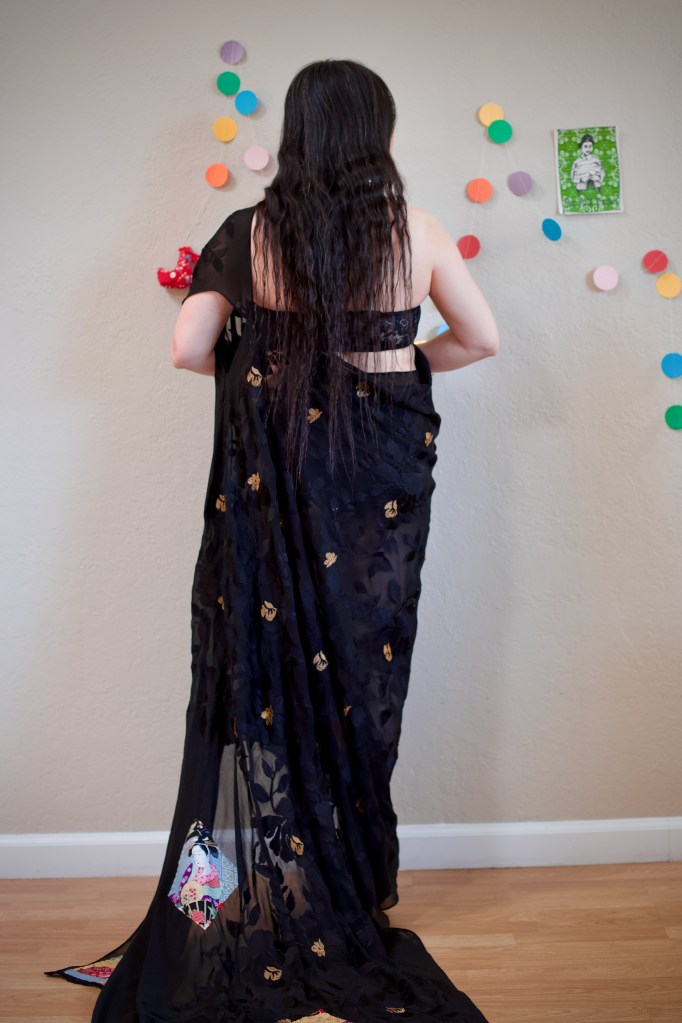
At the age of 24, Shōnagon entered the service of Empress Sadako. It was in this ten year period until the death of the Empress that she wrote The Pillow-Book. As a palace courtesan, she was expected to entertain the court and guests, in particular with her skills in poetry. For example, after breakfast, His Majesty would hand the court women a folded white poem-slip, “Write me a few scraps of old poetry – anything that comes into your head.” Two or three of the upper ladies tried their hands, one with a spring song, another with a poem on this or that flower. Then it came to Shōnagon, and she wrote: “The years go by; age and its evils crowd upon me, but be this as it may, while flowers are here to see, I cannot grieve.” But instead of “flowers,” she wrote “my Lord.”
In another record, Shōnagon was attending service at the Bodai Temple when someone sent her a note saying, “Come back at once. I am very lonely.” She then told us that she cared as little as old Hsiang Chung whether people at home were waiting for her. Old Hsiang Chung was said to be so completely absorbed in Lao Tzu’s Tao Tē Ching that he sat reading it on the edge of a river until the spring floods carried him away. Shōnagon proceeded to take note upon the Recitant of the scripture: “A Recitant ought to be good-looking. It is only if it is a pleasure to keep one’s eyes on him all the time that there is any chance of religious feeling (tōtosa) being aroused. Otherwise one begins looking at something else and soon one’s attention wanders from what he is reading; in which case ugliness becomes an actual cause of sin.”
At the height of their career, courtesans enjoy a sumptuous and influential lifestyle. Be this as it may, their charm inevitably fades as the years go by; what becomes of them then? Toward the end of her life, Veronica Franco was said to have lived in a section of the city where many destitute prostitutes ended their lives. Sei Shōnagon was rumored to pass in a dilapidated hovel, whereupon an incredibly lean hag shot her head out of the door, crying, “Won’t you buy old bones?” But then, neither did it all end very well for Johannes Vermeer or Nikola Tesla, did it?
 hardlyplaying.blog