Tag: Scarves
-
Iron
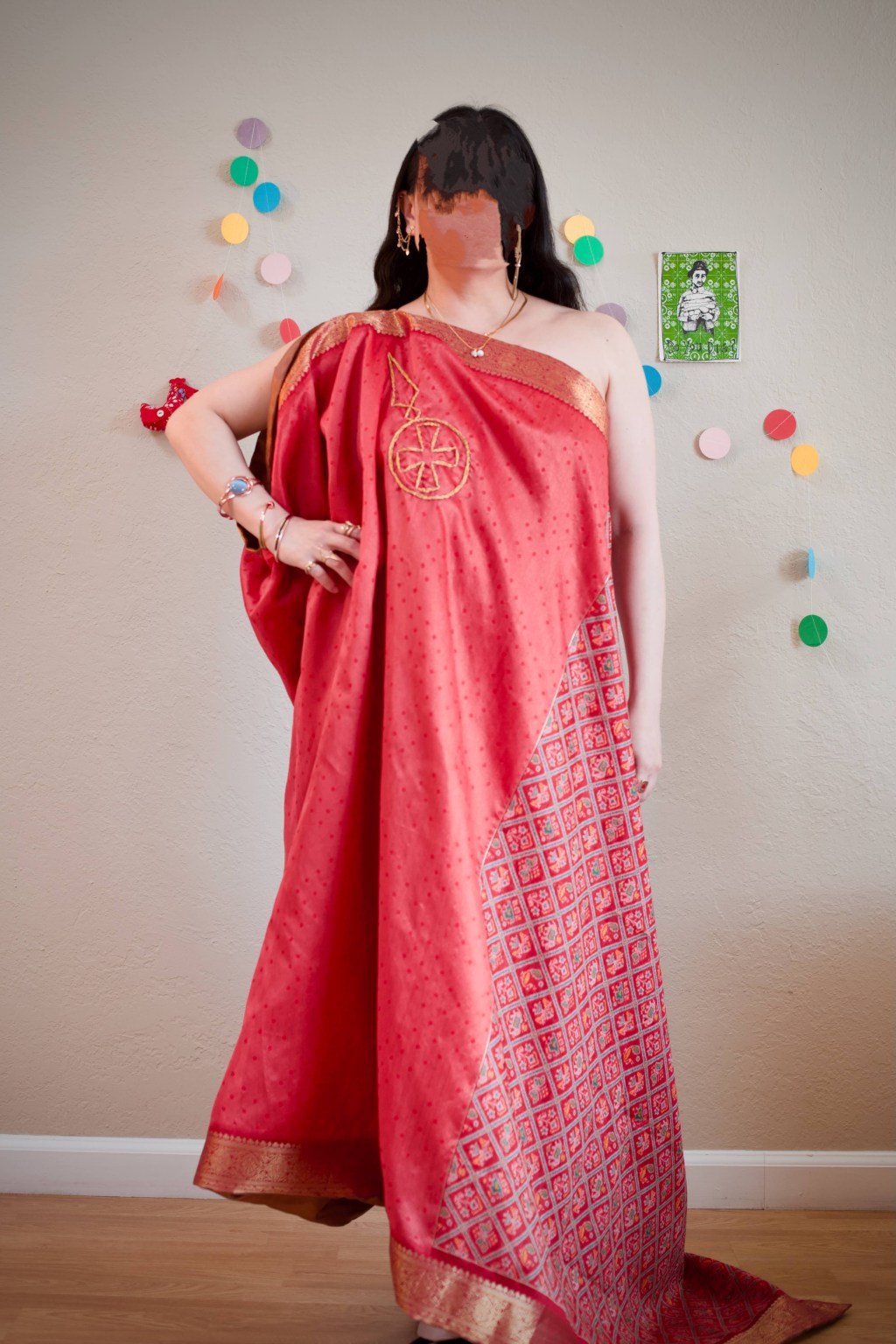
The end of the Bronze Age brought the Iron Age. With the collapse of the Bronze Age, writing was lost in mainland Greece for the next four centuries, entering Greece into its own dark age. Thus the Iron Age is also known as the Greek Dark Age. At the end of the 8th century BC,…
-
Bronze
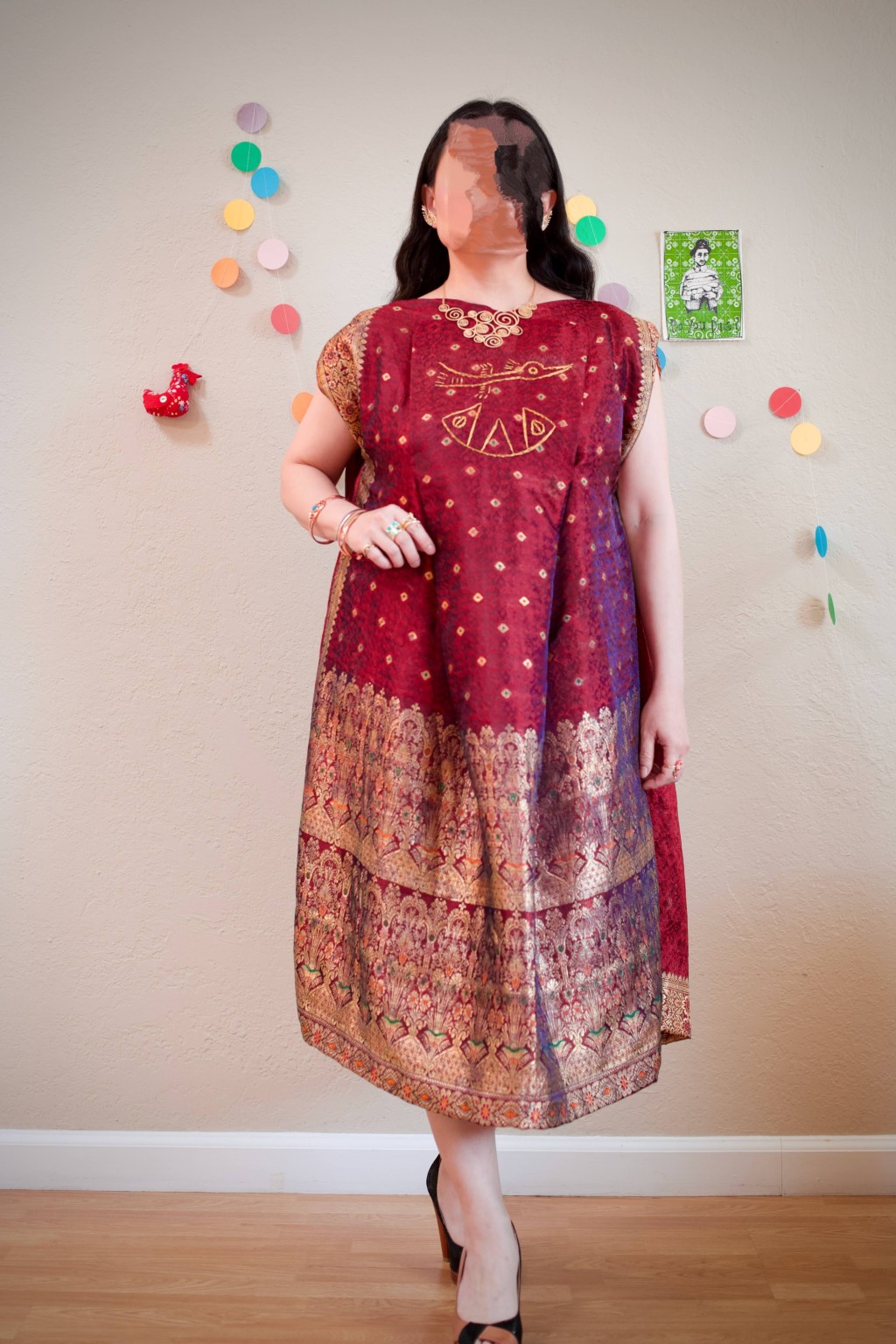
The Bronze Age, which succeeded the Stone Age, marks our discovery in the crafting of bronze, an alloy of copper and tin that is far harder and more durable than each metal alone. Not only notable in the advancement of metalwork, but the Bronze Age is considered the golden age of civilization, as numerous other…
-
The Eunuch
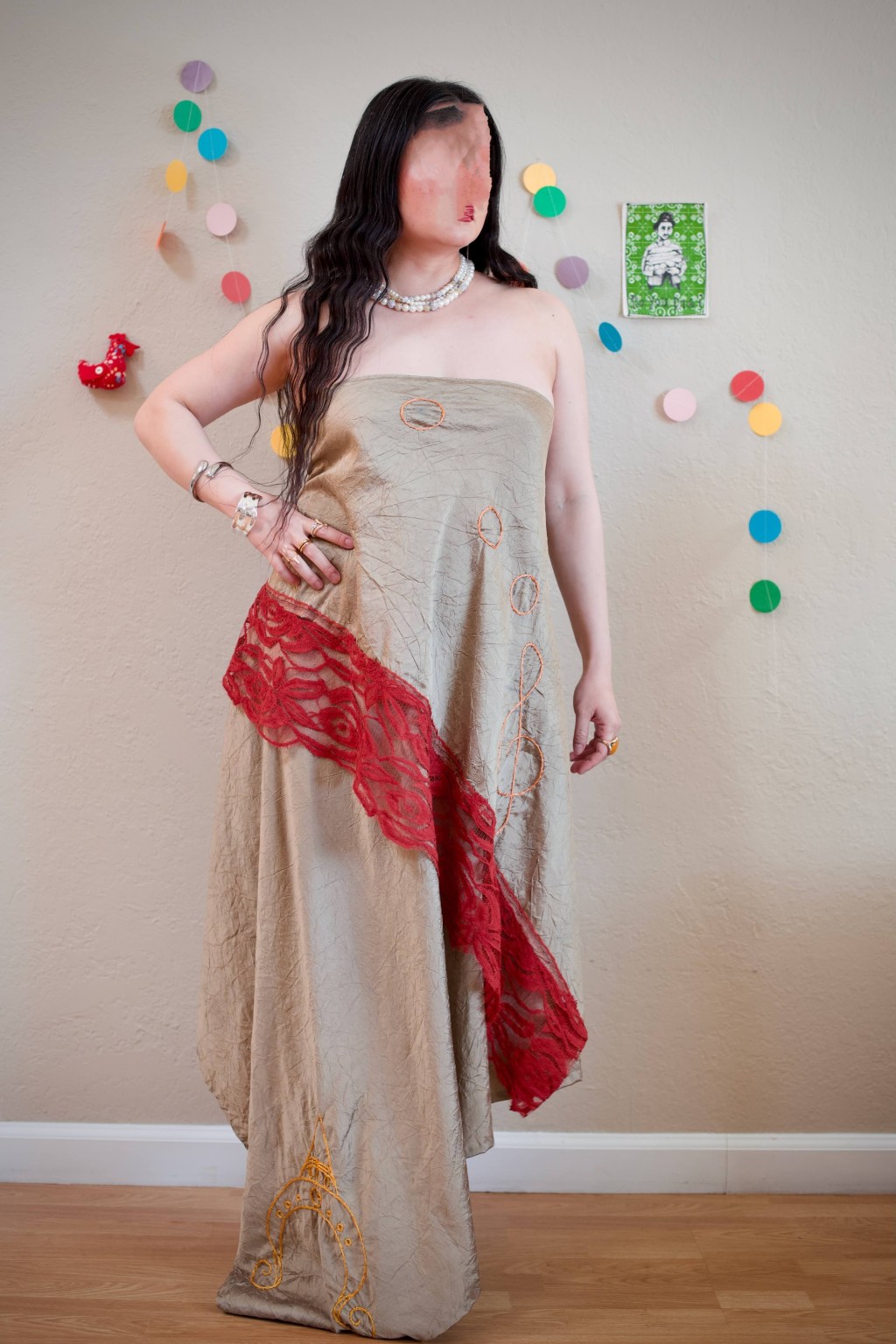
“For there are some eunuchs, which were so born from their mother’s womb: and there are some eunuchs, which were made eunuchs of men: and there be eunuchs, which have made themselves eunuchs for the kingdom of heaven’s sake. He that is able to receive it, let him receive it.”– Mathew 19:12 A eunuch is…
-
The Courtesan
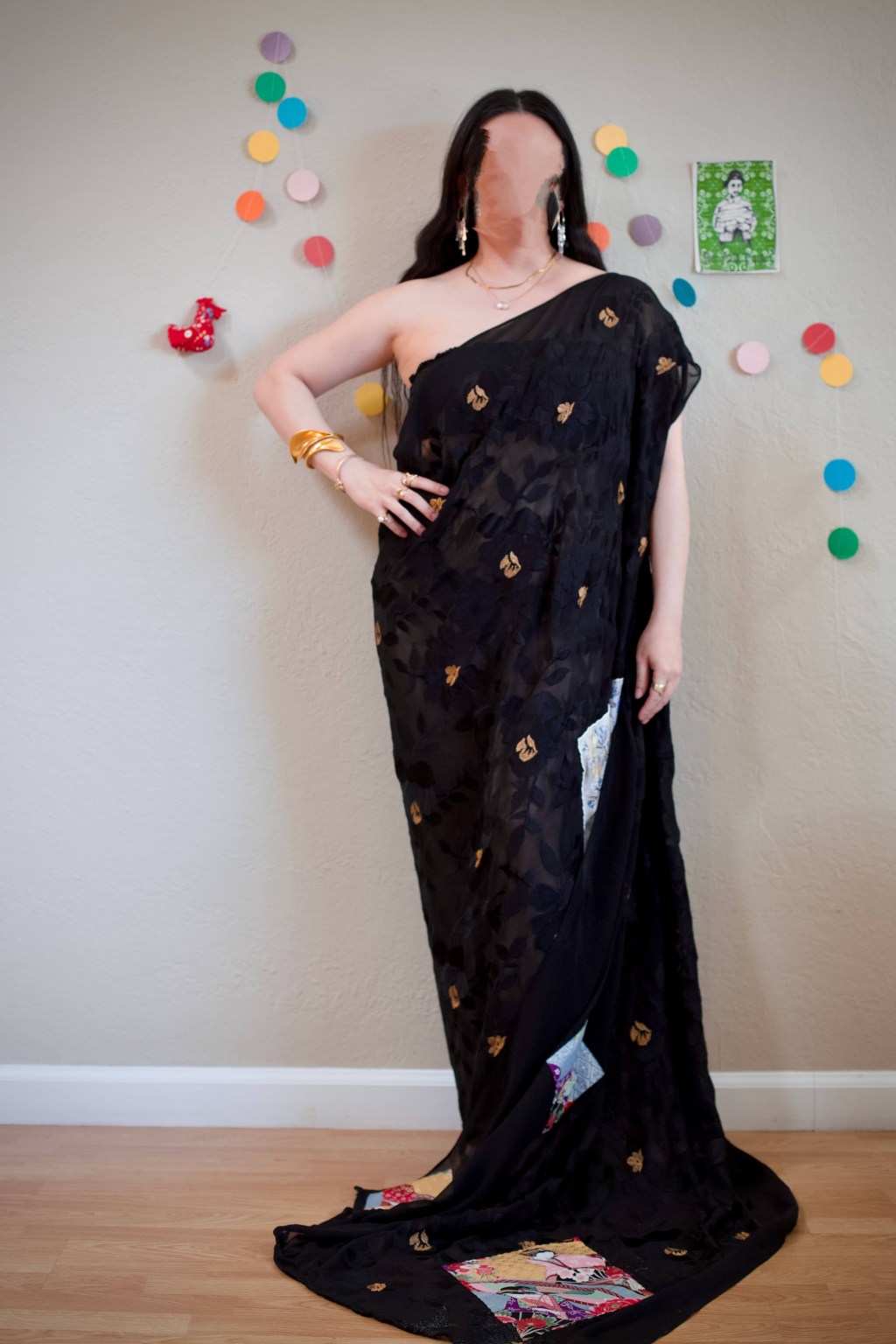
In Homer’s epic poem The Odyssey, Odysseus told of the Lotus-eaters, the Lotophagi race who lived on an island off the coast of Tunisia. On this island were full of lotus trees. “Whosoever of them ate of the honey-sweet fruit of the lotus, had no longer any wish to bring back word or to return,…
-
The Fan
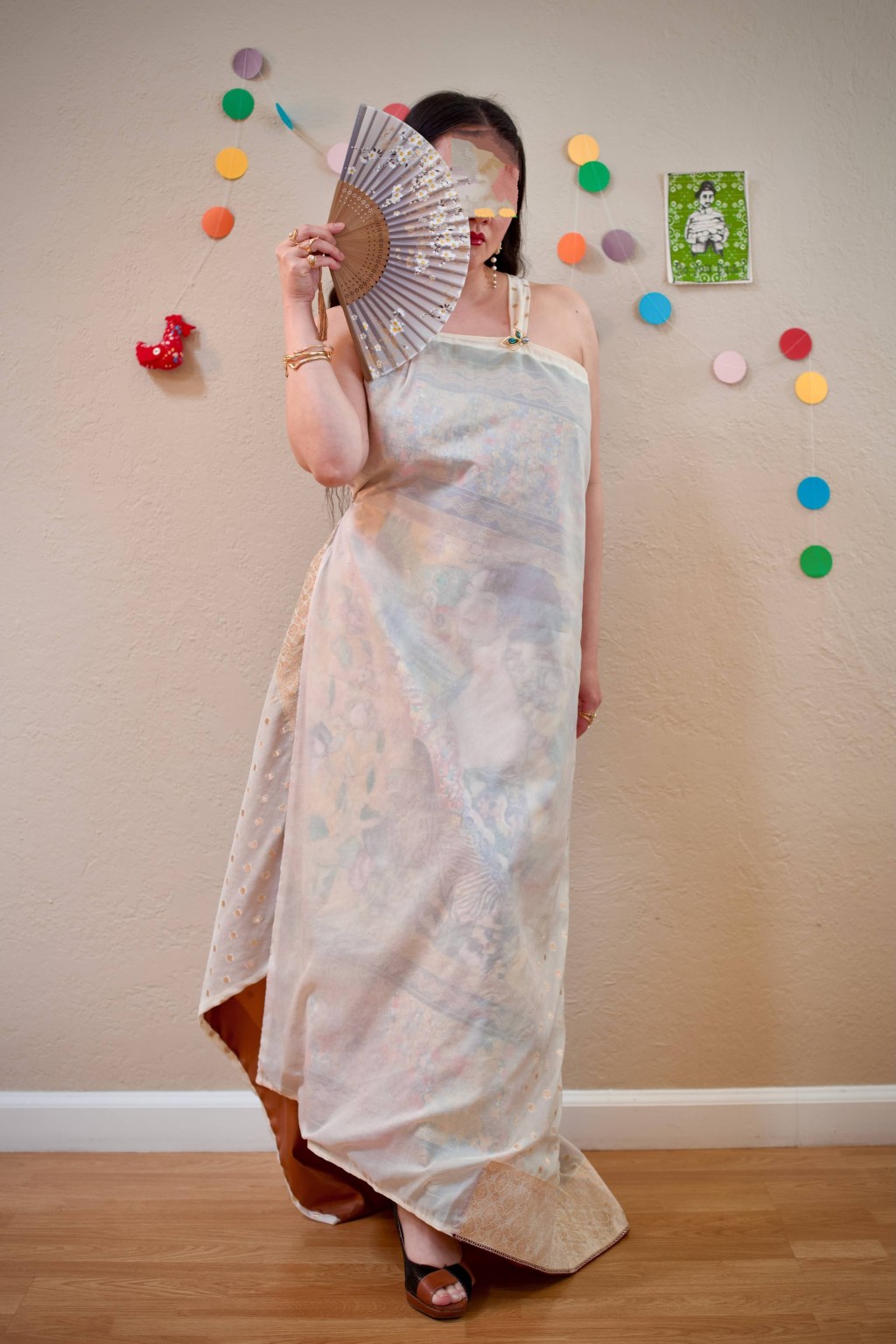
The fan is about as old as civilization itself. Sometimes it is said it is “as old as hot weather itself.” Found in the 14th-century BC Egyptian Pharaoh Tutankhamun’s tomb were eight fans, which in ancient Egypt were called “shuwt” to mean shadow or shade, and “seryt” to mean a royal or military standard. The…
-
Androgyny
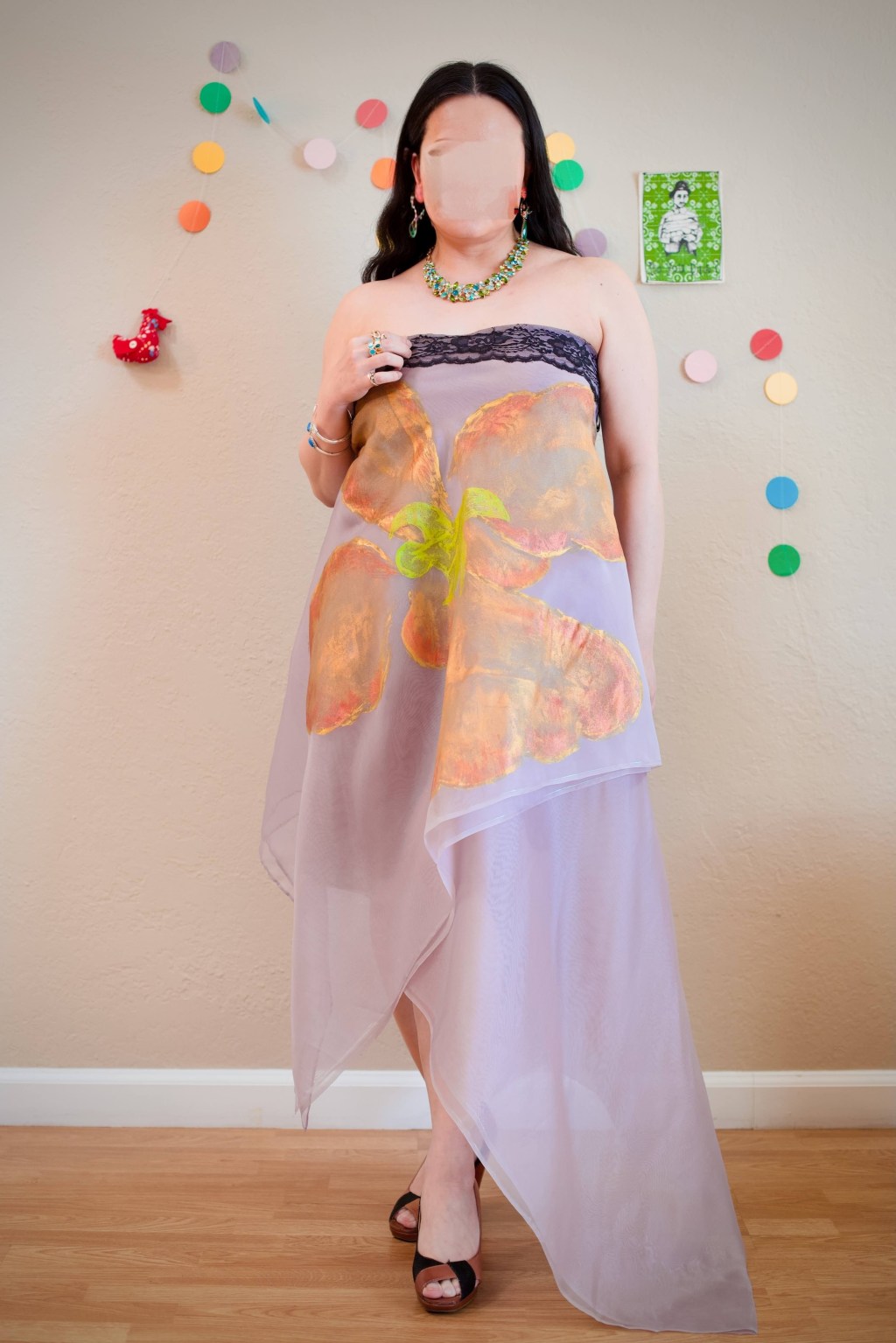
It is said that Hermaphrodite, the child of Aphrodite and Hermes, was born so remarkably beautiful that the freshwater nymph Salmacis forced herself upon him in order to keep him forever. This androgynous boy of a woman’s body with male genitals had long symbolized for the ancient Greeks and Romans erotic love, passion, and lust. …
-
Lapis Lazuli
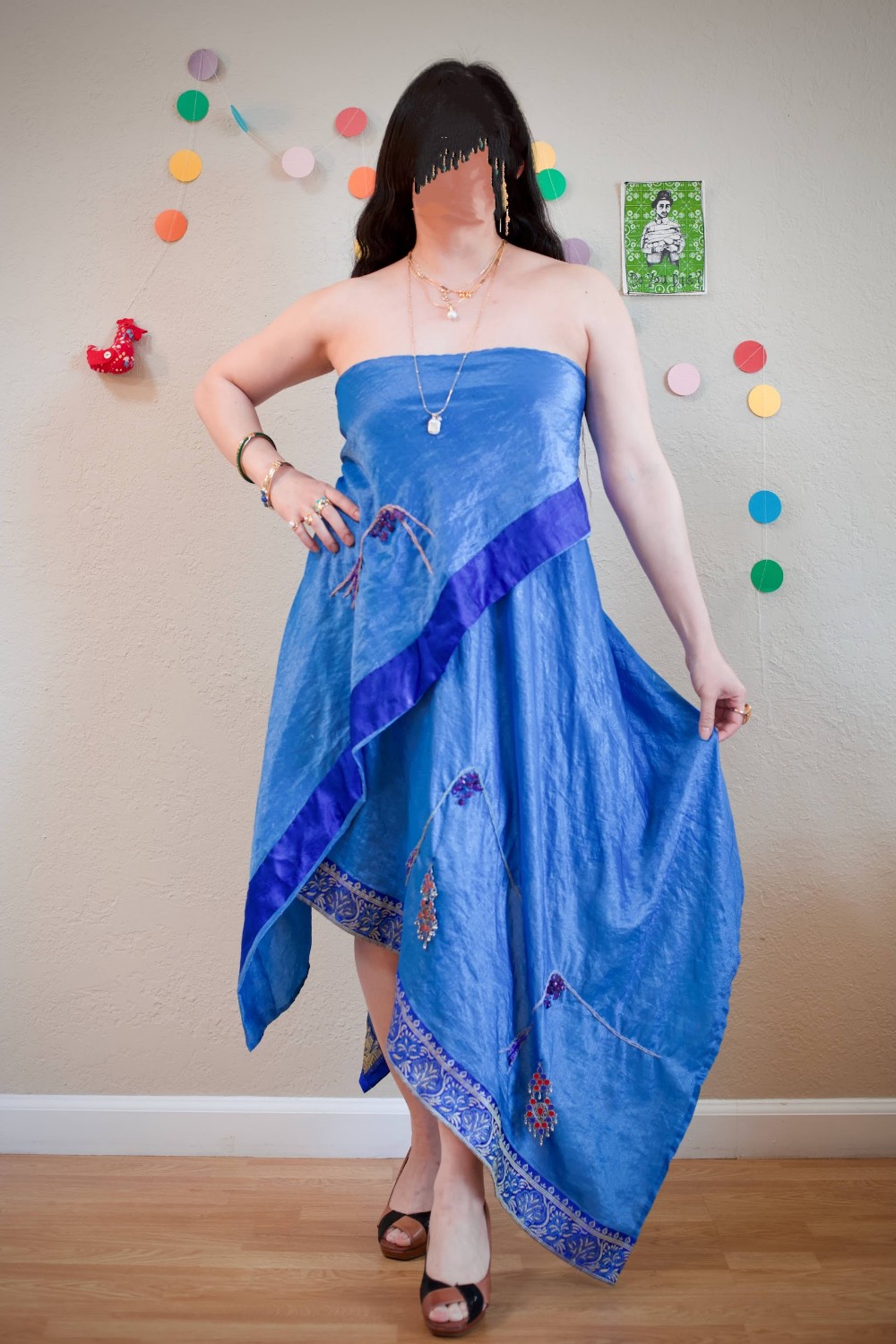
More than four millennia ago, the high priestess Enheduanna, daughter to the Akkadian King Sargon, wrote in Ezagin, the House of Lapis Lazuli: “O Ezagin, house of lapis lazuli, bright like the stars of heaven, welcoming shrine in Eresh! All primeval lords look up to you every month. The great Nanigbal, Nisaba, brought down divine…
-
The Spice Trail
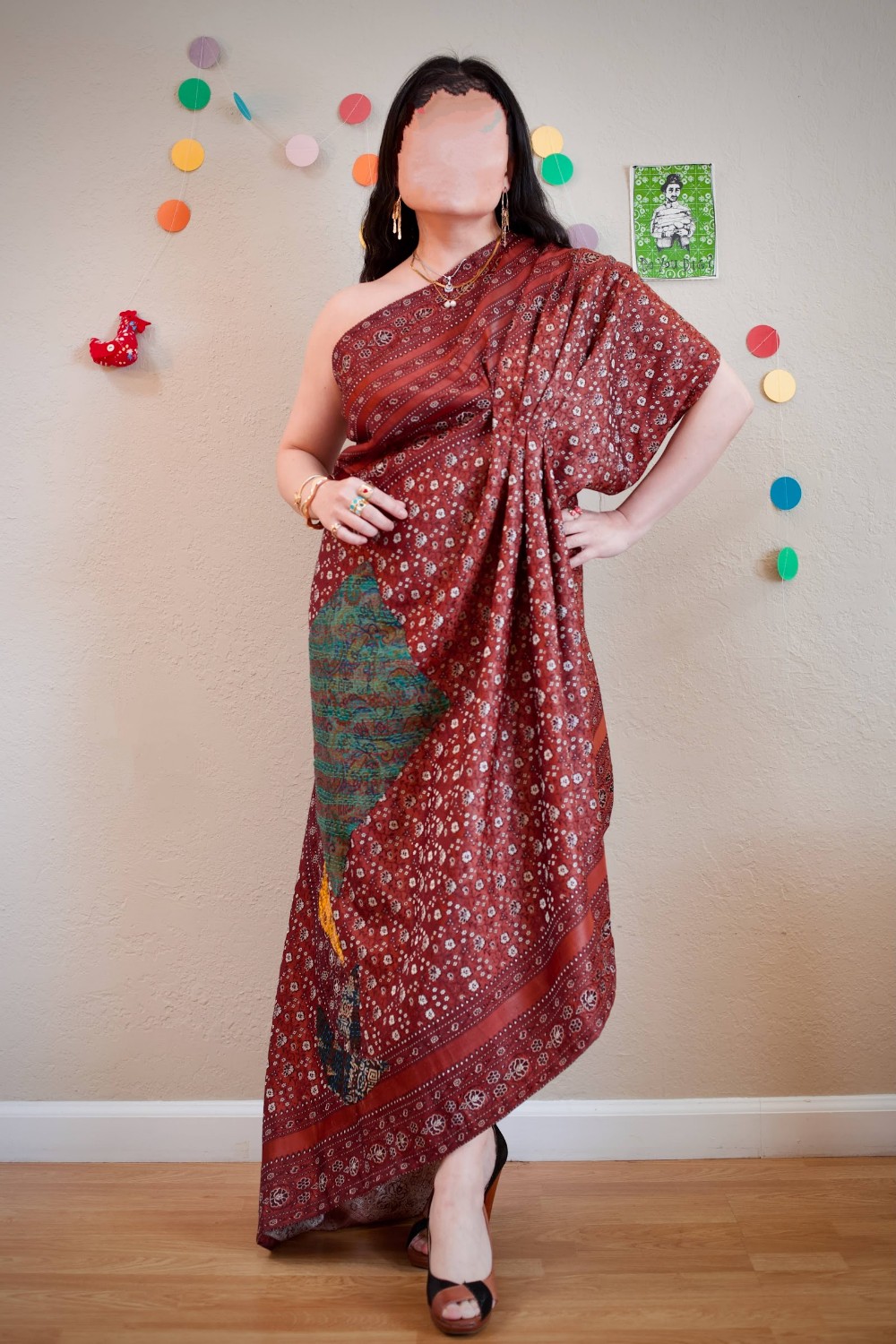
In this legendary tale of the Wedding of Andromache and Hektor, the Greek poet Sappho wrote of “myrrh and cassia and frankincense rode on the wind” to perfume the streets of Troy. As early as the 7th century BC, Far Eastern spices had already found their way to ancient Greece. For centuries, Arab merchants controlled…
-
Porcelain

The word “porcelain” appeared some time during Middle Age Europe. At first it seemed to have been applied to rare pieces of artistry in carved shell or mother-of-pearl, because their white pearly surface recalled the sheen of the cowrie or Venus-shell, called by the Italians “Porcellana.” When Marco Polo published his account of China in…
-
The Tea Route

Between the 1850s and 1870s, the clipper ships were the marvel darlings of the maritime trade route that brought tea from China to Britain. From the port of Canton, these magnificent vessels traveled over 16 thousand miles, crossing the Indian Ocean toward Cape of Good Hope on South Africa’s southern tip before heading north along…

