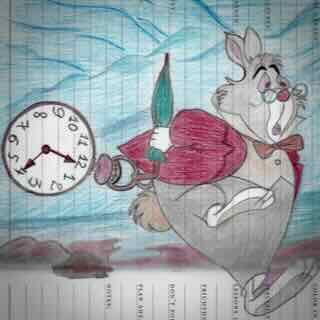
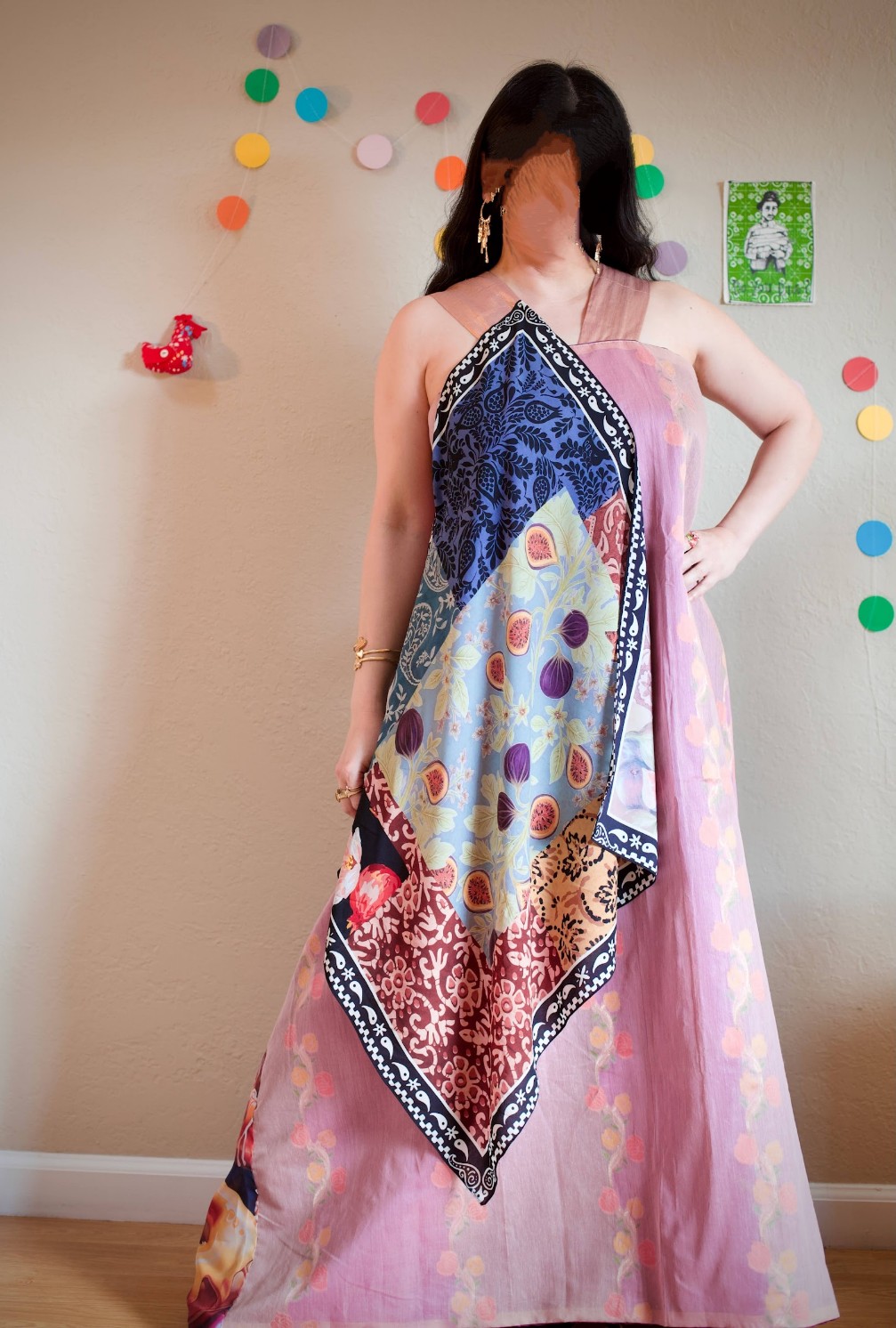
“With apricots and dewberries,
With purple grapes, green figs, and mulberries;
The honey-bags steal from the humble-bees,
And for night-tapers crop their waxen thighs
And light them at the fiery glow-worm’s eyes,
To have my love to bed and to arise;
And pluck the wings from painted butterflies
To fan the moonbeams from his sleeping eyes:
Nod to him, elves, and do him courtesies.”
– William Shakespeare, A Midsummer Night’s Dream
As one imagines food as a symbol for desire, he thinks of Sandro Botticelli’s 15th-century painting The Birth of Venus, in which she emerges from a scallop shell. The goddess Venus, whom the Romans had adapted from the myths and iconography of the Greek goddess Aphrodite, symbolizes love, beauty, desire, sex, and fertility. According to the Greek rhetorician Athenaeus of Naucratis, the idea of Aphrodite rising from the sea was inspired by the courtesan Phryne, who, during the time of the festivals of the Eleusinia and Poseidonia, often swam nude in the sea. The scallop shell from which she arose is a symbol of the female vulva. Though I would rather imagine her arising from an oyster shell, for then she would be the equivalent of the oyster – of plump, soft flesh with distinct tastes that carry the essence of the sea. The oyster shell is, however, obviously not nearly as symmetrical or delicate in detail as the scallop shell.
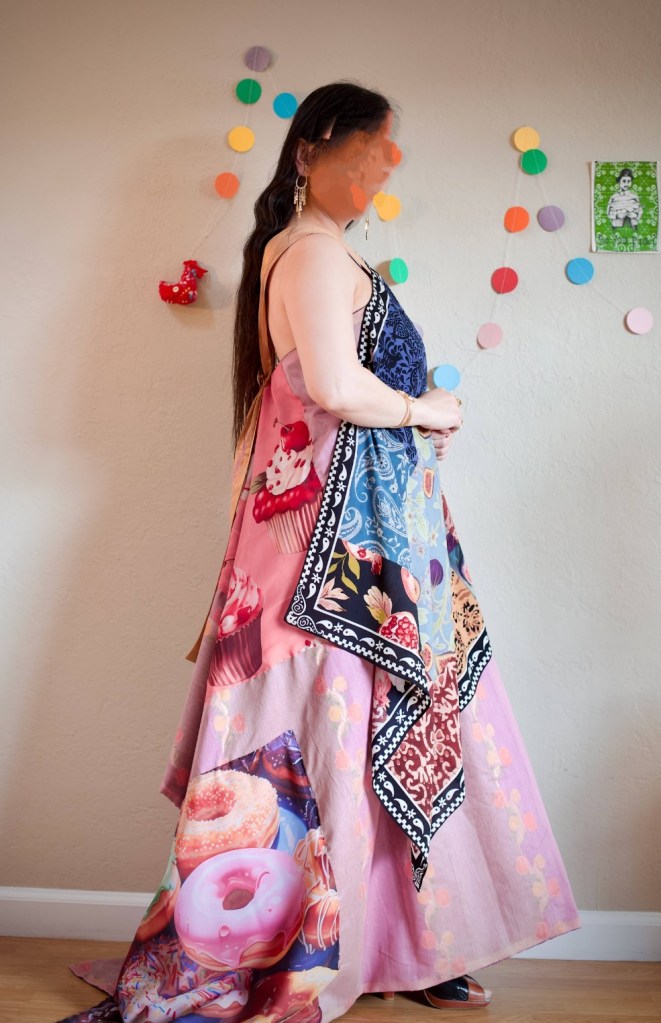
Certainly it does not require a courtesan coming out of a beautiful scallop shell for her to be desirable. Guy de Maupassant invested a long passage of his short story to elaborate on the food of the courtesan nicknamed Boule de Suif, or Tallow Ball – of “small earthenware plate and a silver drinking cup, an enormous dish containing two whole chickens cut into joints and imbedded in jelly … pies, fruit, dainties of all sorts … a pate de foie gras, a lark pie, a piece of smoked tongue, Crassane pears, Pont-l’Evêque gingerbread, fancy cakes, and a cup full of pickled gherkins and onions.” And where was she then? -she was being piled onto a carriage along with nuns, merchants, and noblemen while fleeing Rouen amidst the Franco-Prussian war. It didn’t matter; they were all salivating at the food just as I was, merely at the reading of this spread of delicacies by Boule de Suif.
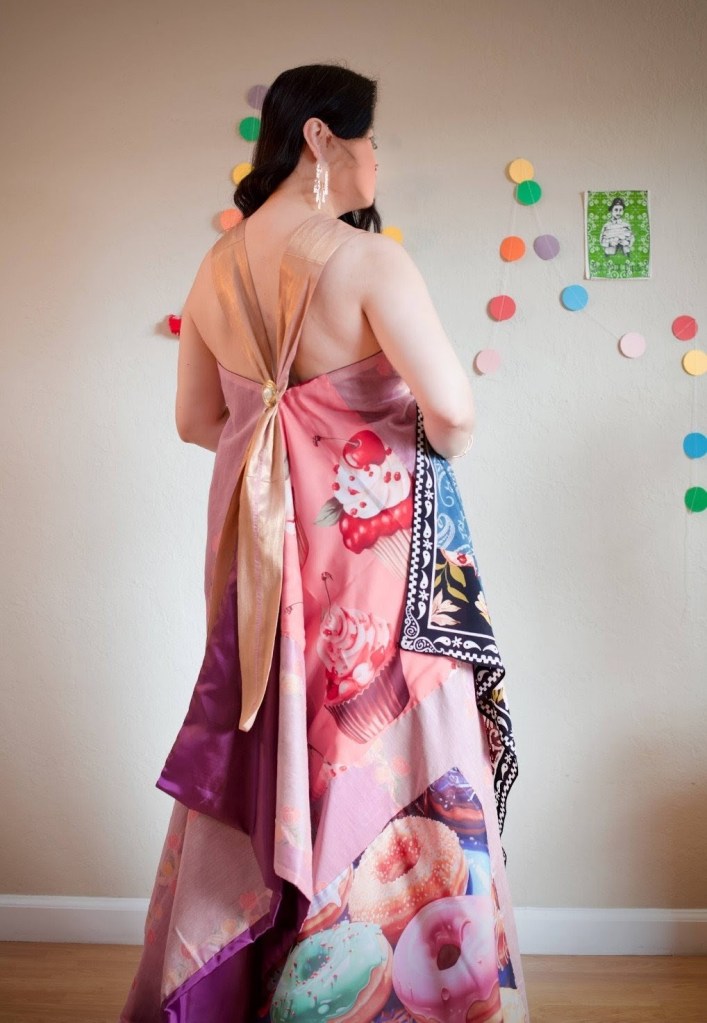
Immoderate desire brings the feast, as M. Arnoux exclaimed in Gustave Flaubert’s Sentimental Education, “What are you to do in an age of decadence like ours? Great painting is gone out of fashion! Besides, we may import art into everything.” To complement their feasting, the Arnoux’s dining-room was utmost pretty, being painted in water-green and showcasing a nymph of stone dipping her toe in a basin formed like a shell. Through the open windows the entire garden could be seen with the long lawn flanked by an old Scotch fir, three-quarters stripped bare; groups of flowers swelled out in unequal plots. A huge turbot occupied the centre of the tablecloth, with plates all around filled with crayfish soup. For entertainment, earthenware smashed by the heads flew about in bits like slates in a storm. Wines and champagnes went round as the women stood erect on tiptoe. A spray of wine played all over their naked shoulders, extended arms, and stooping bodies, splashing their faces. An orange or a cork would every now and then be flung from a distance. Come morning, the pier-tables were sticky with the stains of punch and syrup, the hangings soiled, the dresses rumpled and dusty. Hair came loose over the shoulders, the paint which had dribbled down by sweat unmasked pallid, red faces.
I had once desired wine and champagne too, but it was a desire to learn. I wanted to know what a fancy cake tasted like, and what about wine that folks loved so much. Eventually I learned to make wine and mead myself. As Mme Émilie du Châtelet had written, “the less our happiness depends on others, the easier it is for us to be happy. … For this reason of independence, the love of learning is, of all passions, that which contributes the most to our happiness. For within the love of learning is found a passion that a noble spirit is never entirely exempt: that of glory.”
 hardlyplaying.blog