Author: doodledweller
-
Lapis Lazuli
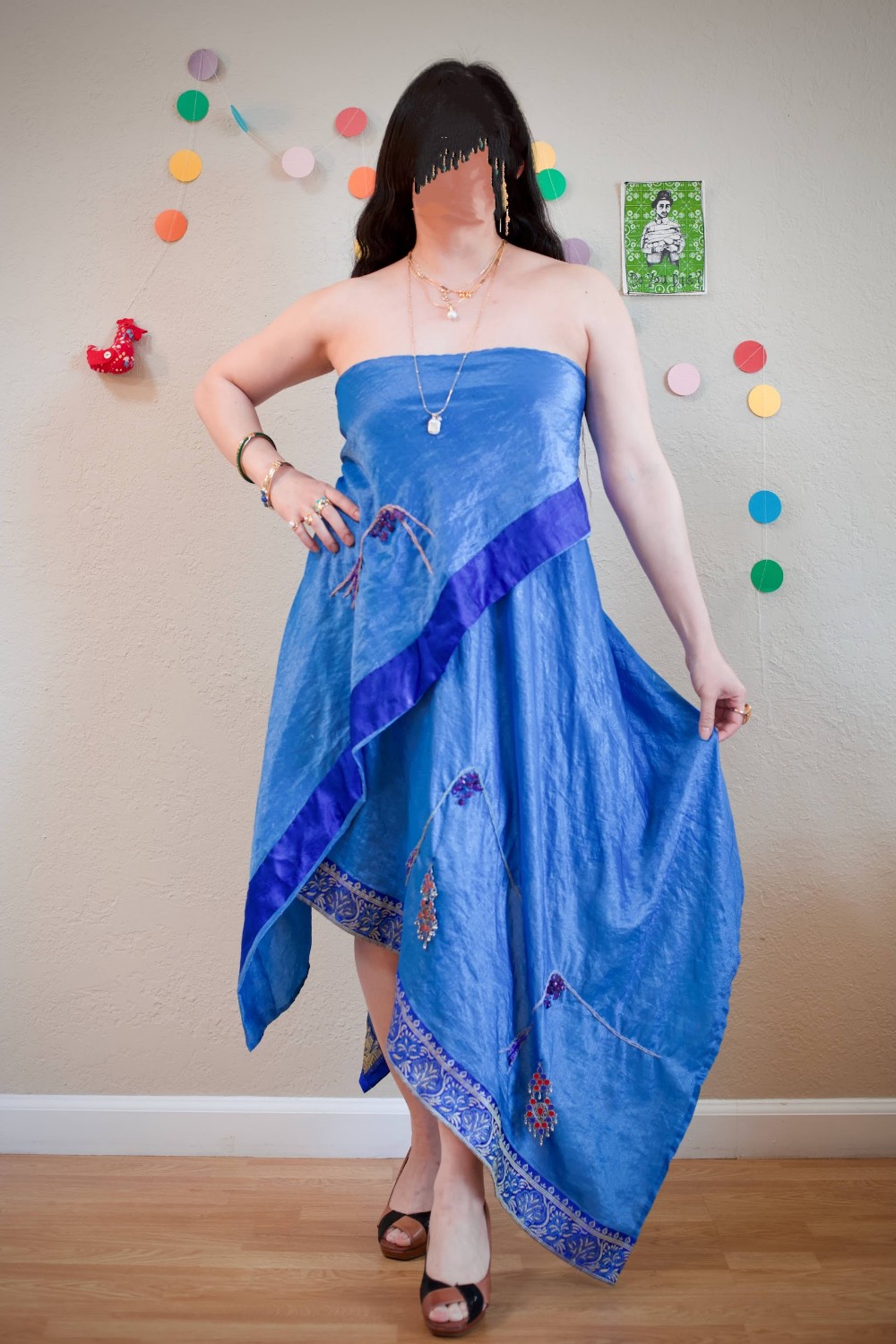
More than four millennia ago, the high priestess Enheduanna, daughter to the Akkadian King Sargon, wrote in Ezagin, the House of Lapis Lazuli: “O Ezagin, house of lapis lazuli, bright like the stars of heaven, welcoming shrine in Eresh! All primeval lords look up to you every month. The great Nanigbal, Nisaba, brought down divine…
-
The Spice Trail
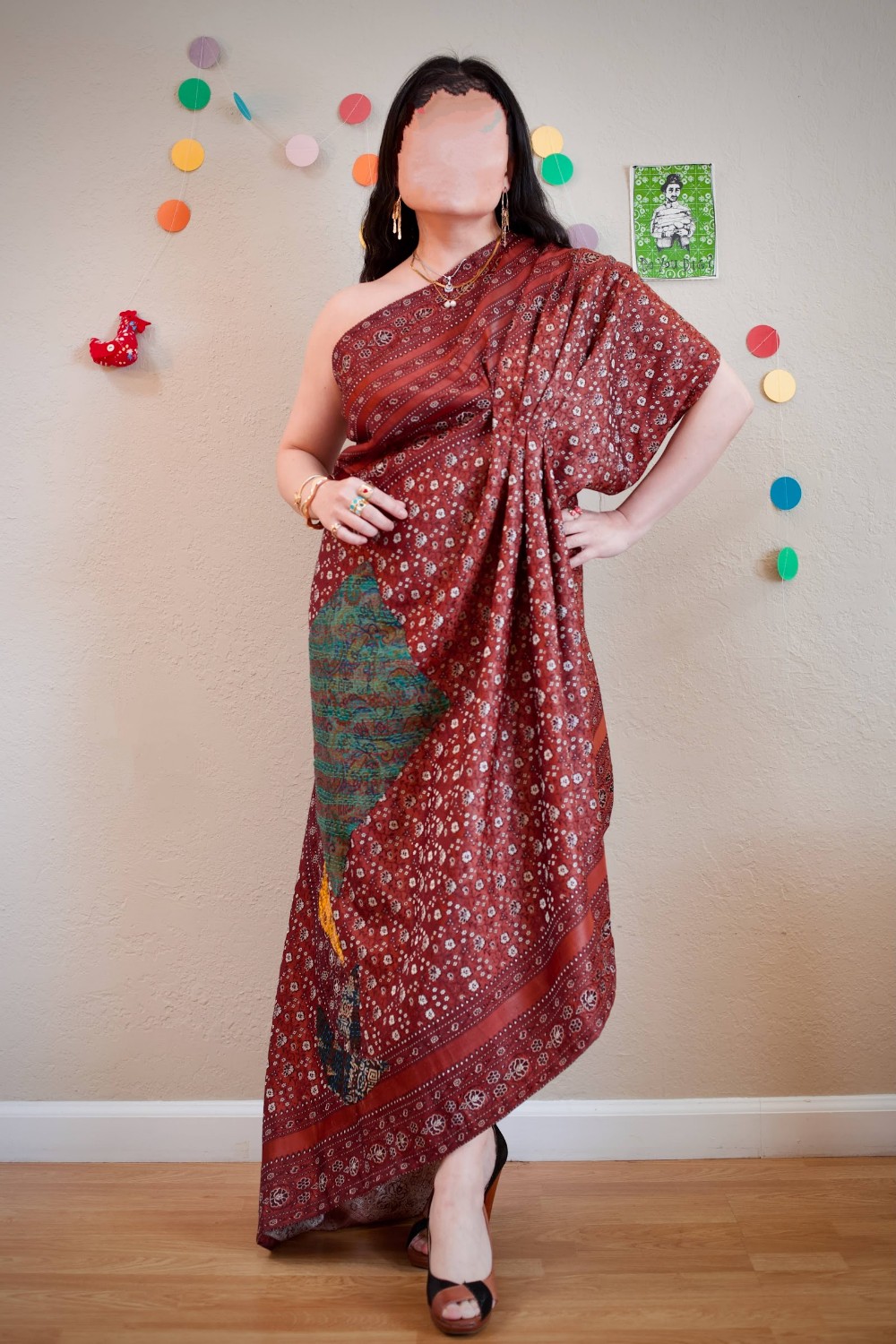
In this legendary tale of the Wedding of Andromache and Hektor, the Greek poet Sappho wrote of “myrrh and cassia and frankincense rode on the wind” to perfume the streets of Troy. As early as the 7th century BC, Far Eastern spices had already found their way to ancient Greece. For centuries, Arab merchants controlled…
-
Porcelain

The word “porcelain” appeared some time during Middle Age Europe. At first it seemed to have been applied to rare pieces of artistry in carved shell or mother-of-pearl, because their white pearly surface recalled the sheen of the cowrie or Venus-shell, called by the Italians “Porcellana.” When Marco Polo published his account of China in…
-
The Tea Route

Between the 1850s and 1870s, the clipper ships were the marvel darlings of the maritime trade route that brought tea from China to Britain. From the port of Canton, these magnificent vessels traveled over 16 thousand miles, crossing the Indian Ocean toward Cape of Good Hope on South Africa’s southern tip before heading north along…
-
Journey to the West
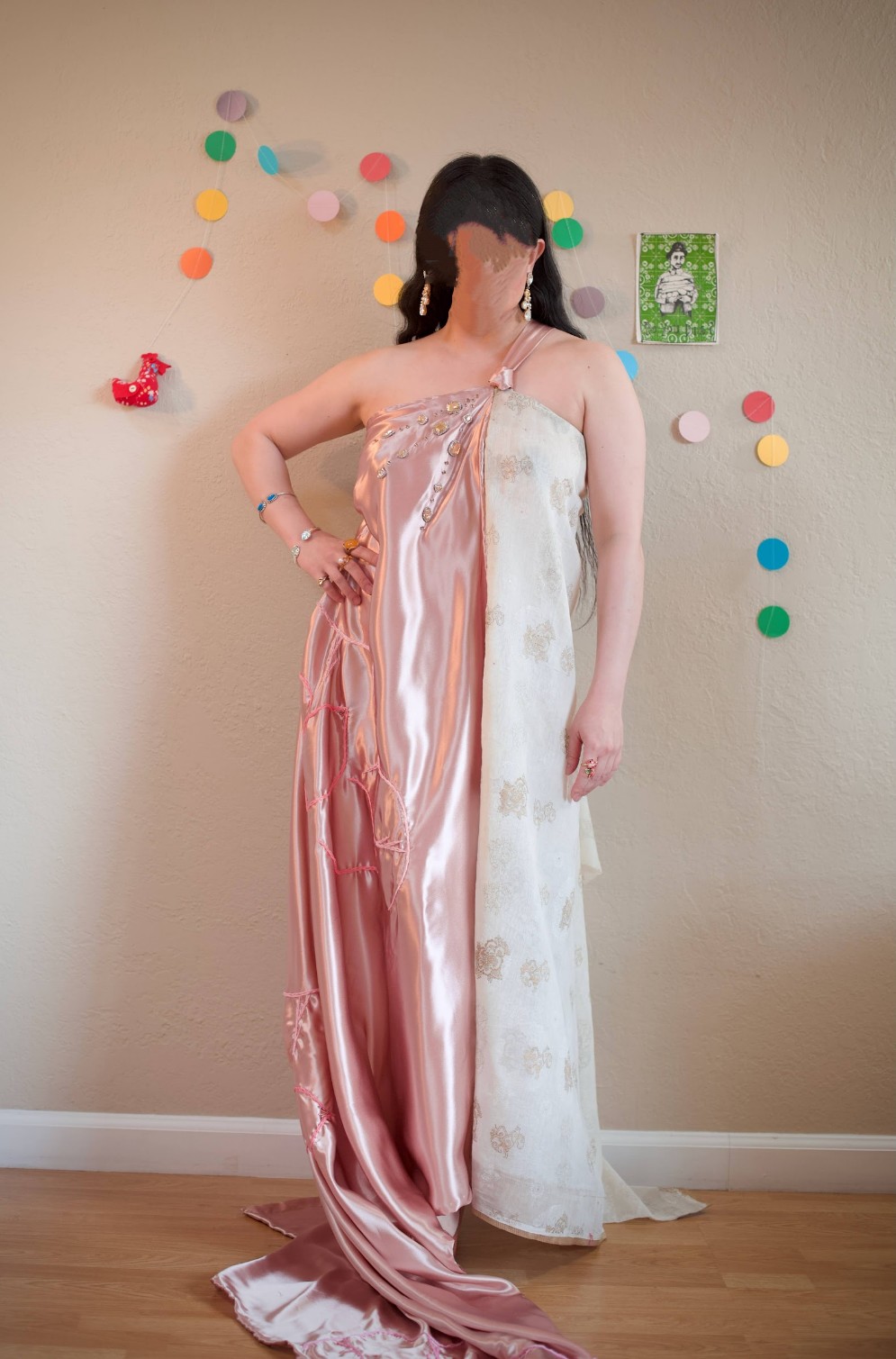
Buddhist books arrived in China during the first century AD. From these books, the Chinese learned of the Buddha and became familiar with the names of the sacred places he had consecrated by his presence. Over time, new converts who desired to learn more of their religion risked the peril of travel to visit the…
-
The Heavenly Steed
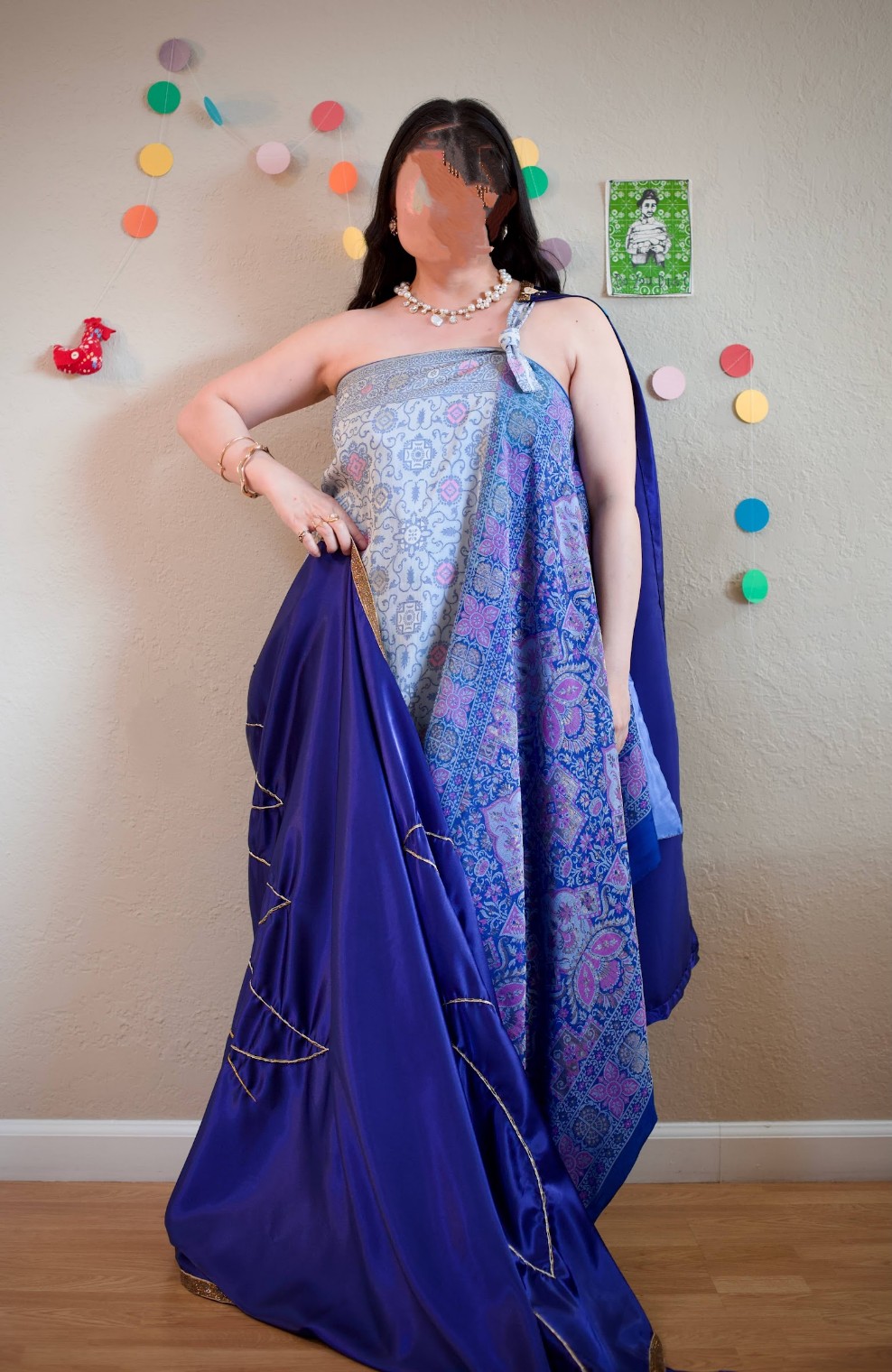
More than two millennia ago, the Han people knew of the Horse of Heaven from far to the west of China. It came from Ta Yuan, ancient Ferghana, the Chinese equivalent for a local name for Greeks or Ionians, “Yavan”, which was described by Zhang Qian, China’s pioneer in Western Asia, as a land where…
-
The Silk Road
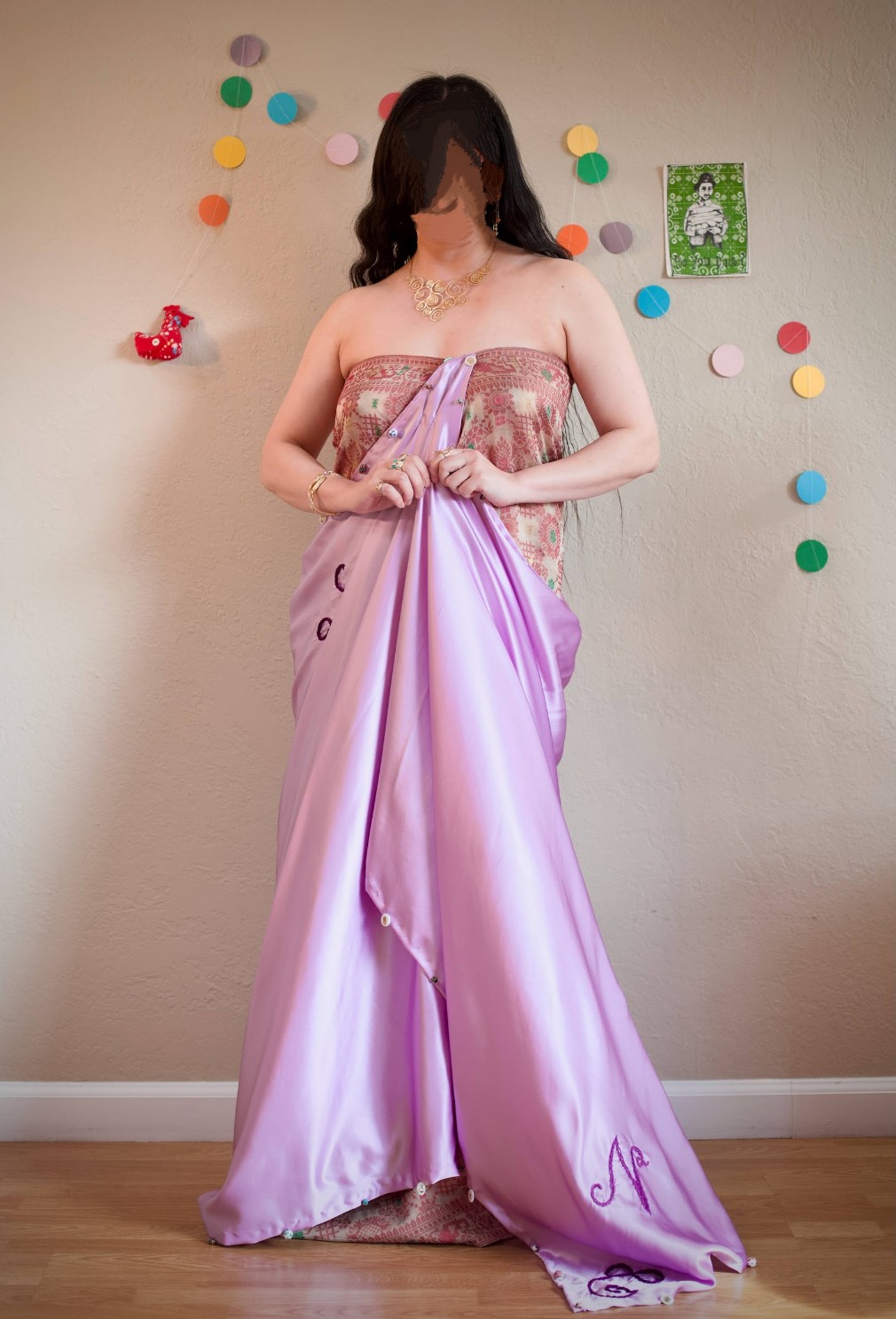
It is said that almost five thousand years ago, while sitting in the shade of a mulberry tree in her garden, the Empress Hsi Ling-Shi found a fallen cocoon in her teacup. The cocoon softened in the hot tea and unraveled into a long, lustrous thread, thus beginning the invention of the silk loom and…
-
The Papaya

Among my favorite memories of the Big Island of Hawaii is late afternoon at the beach, of a baby girl being fed by her mother spoonfuls of papaya, its flesh glowing a deep orange as the sunset over the ocean’s horizon. The mango may be the tourist’s beloved fruit, but the papaya is undoubtedly the…
-
A Banana Forest
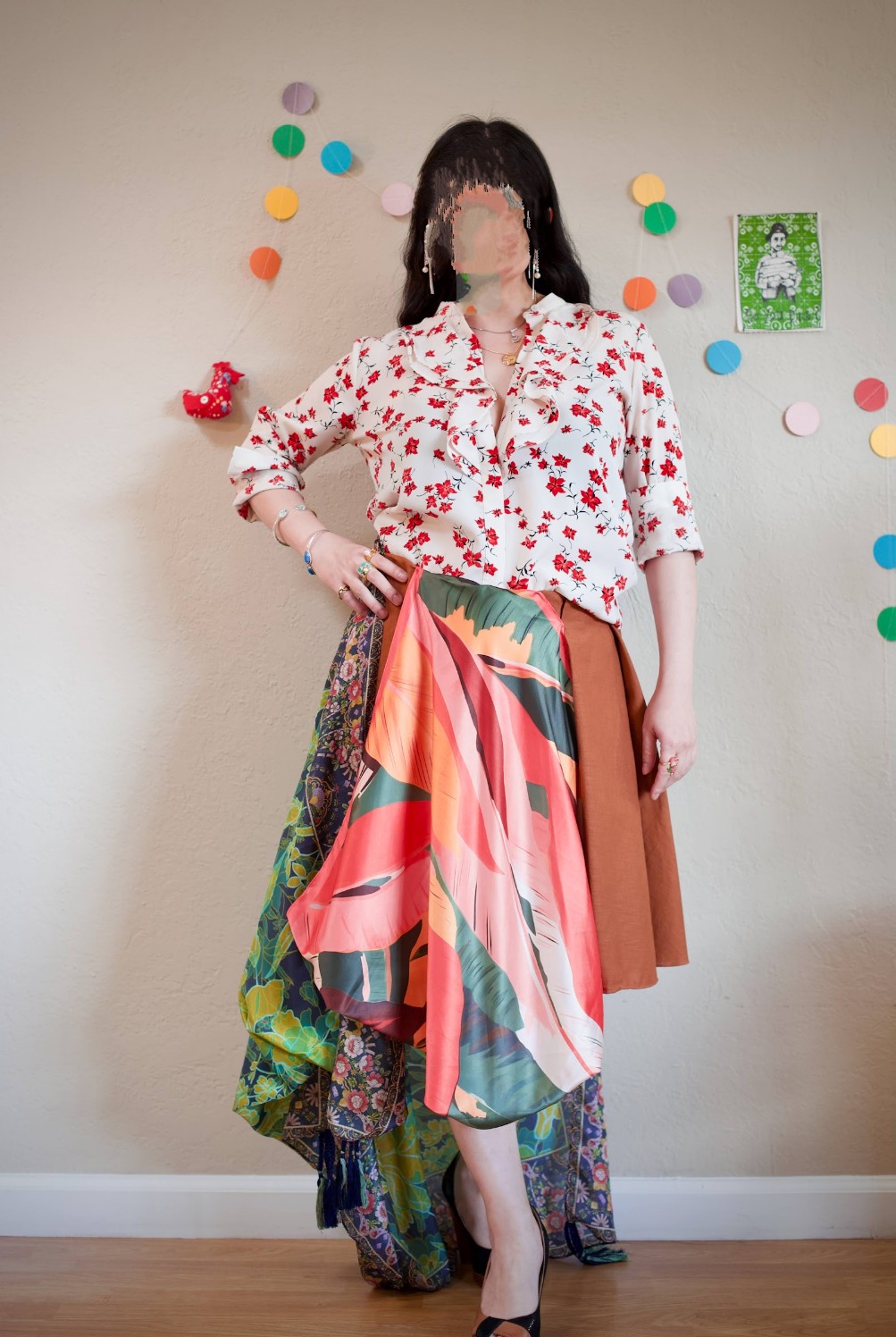
The scientific name for the banana is Musa Sapentium, or the “wise fruit,” which was given by the Swedish scientist Carolus Linnaeus in 1750. The word “musa” derives from “mauz”, the Arabic word for fruit, and “sapentium” is Latin derived to mean wise. The green banana, or plantain, was then called Musa Paradisiaca, “the fruit…
-
Tropical Paradise
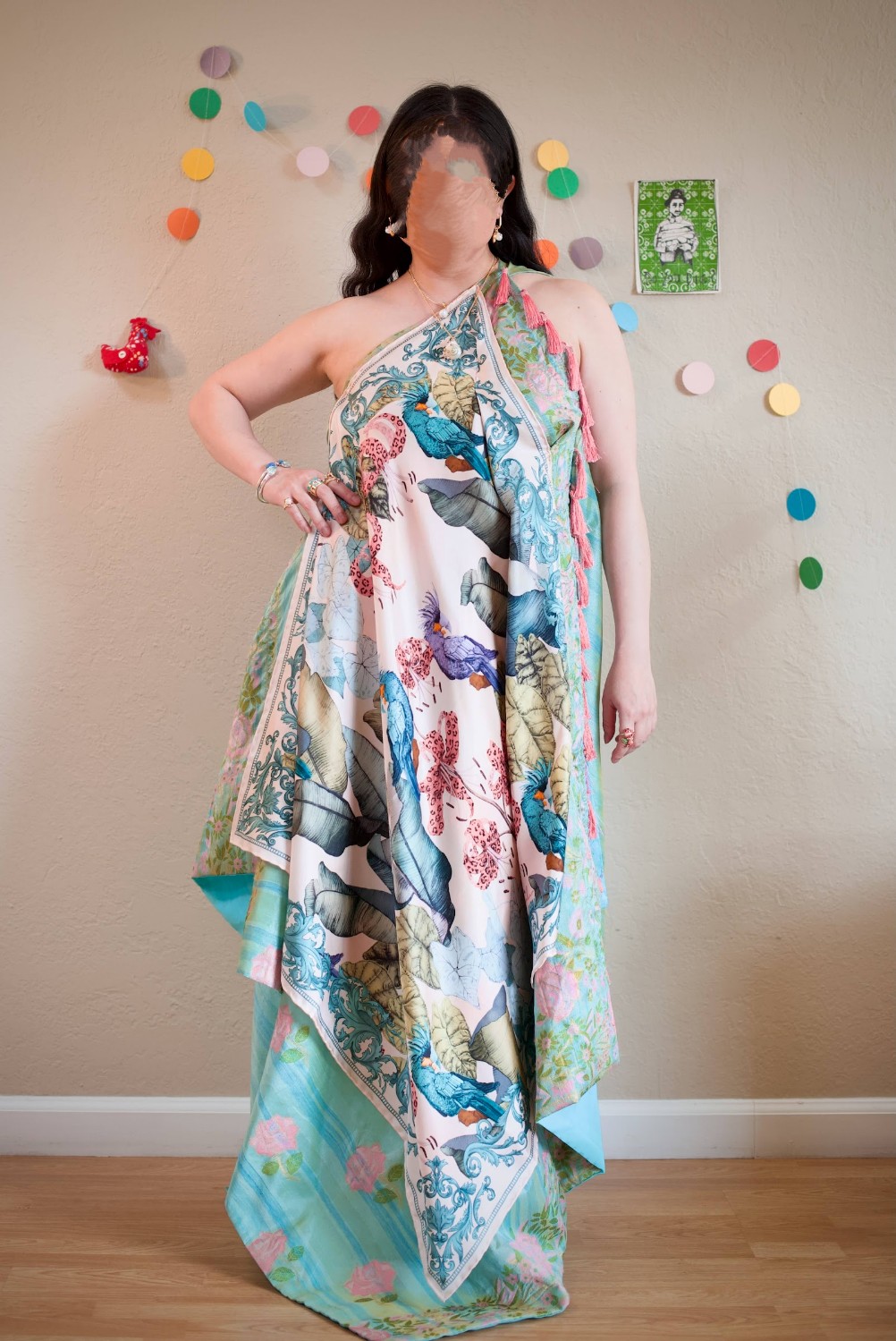
The tropics bring images of luxurious holidays with magnificent sunset views, the romance of lost civilizations, the allure of exotic flora, fruits, and spices. Epic seafaring adventures were made in order to obtain the most precious spices grown only on the most remote islands of Southeast Asia, all the while proving that after all, the…

