Tag: Scarves
-
The Birch Tree

At Loschwitz above the cityThe air is sunny and chill;The birch-trees and the pine-treesGrow thick upon the hill. Lone and tall, with silver stem,A birch-tree stands apart;The passionate wind of spring-timeStirs in its leafy heart. I lean against the birch-tree,My arms around it twine;It pulses, and leaps, and quivers,Like a human heart to mine. One…
-
New York

Precedingly named New Amsterdam, the city of New York was settled by Dutch traders in 1624 before being ceded to the English in 1667. After the opening of the Erie Canal in 1825, it surpassed Boston as America’s business capital. By 1870, soaring real estate values in lower Manhattan pushed buildings up into the air,…
-
Venice

Along the coast of northeastern Italy, where the rivers Brenta, Adige, and Po meet the Adriatic sea, lies Lido, a long sand-bank that forms a bulwark to protect the Lagoon of Venice from fierce storms sweeping often over this turbulent sea. Over thousands of years, sediment brought down from the Alps by these rivers built…
-
Vienna

Inhabited since prehistoric times, the city of Vienna is much older than one may anticipate. Among the oldest known relics found near Willendorf, the Venus of Willendorf indicates this area to be occupied since at least 30,000 years ago. Since Roman times, Vienna has become a gateway between Western and Eastern Europe. For 600 years, the…
-
Paris

The beauty which we admire of Paris today is largely in thanks to Baron Haussmann, who, under the auspices of Louis Napoléon, oversaw the complete overhaul of the city in the mid 19th century. The initial impact of the works in the 1850’s and the 1860’s was of shock and disorientation, as old landmarks and…
-
Alexandria
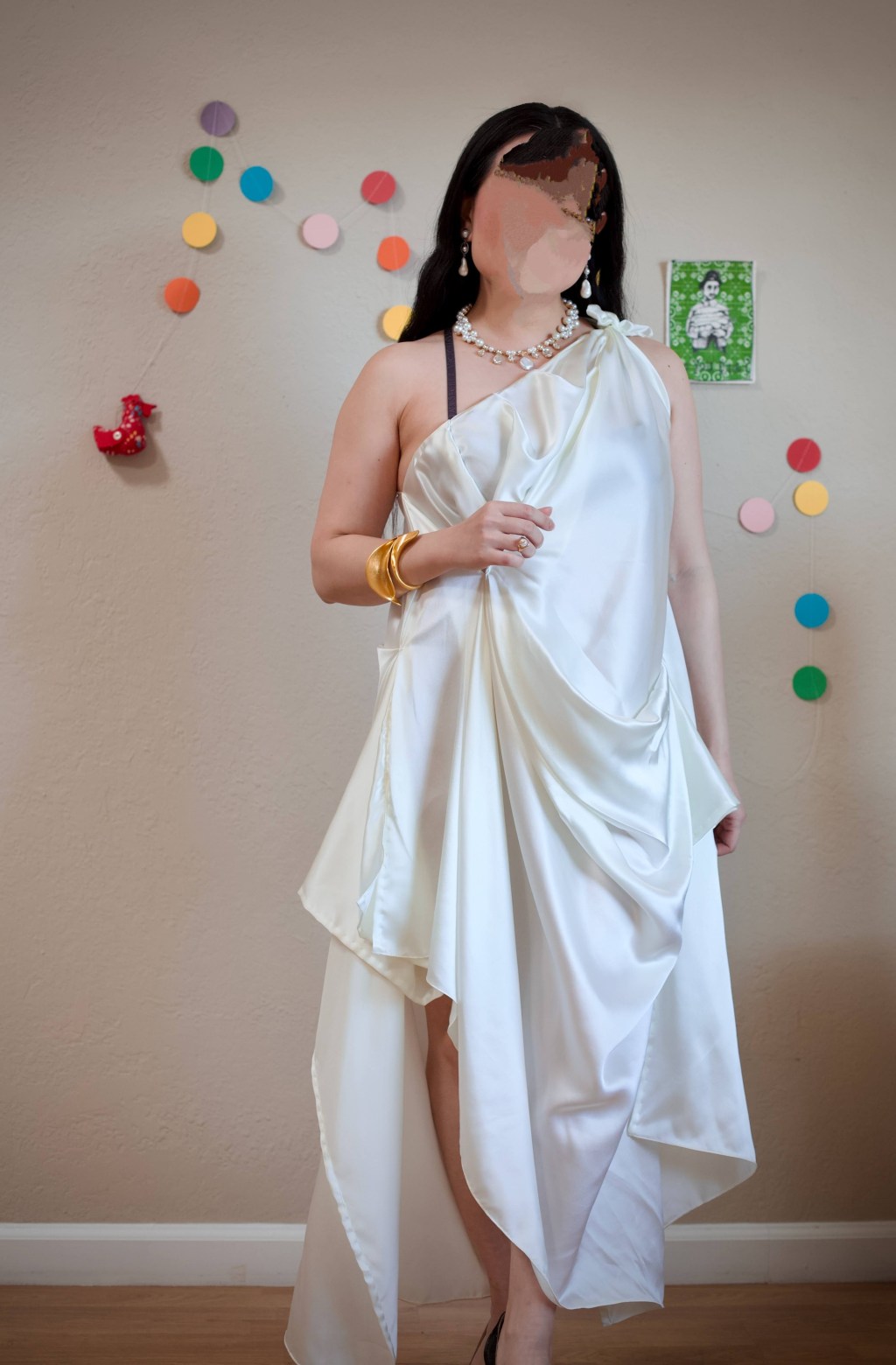
Standing as a crossroad between the Hellenistic world and the East, the city of Alexandria in Egypt is a testament to Alexander the Great as a visionary leader, who envisioned a unified world by establishing cities and transplanting populations between continents. It was recorded by the philosopher Plutarch that one night, Alexander recalled Menelaus’ words…
-
Winter’s Bone

Considered the greatest Russian poet, Alexander Pushkin is to Russian letters what Leonardo da Vinci is to Western European art. He is regarded as the founder of modern Russian literature, the inventor of the modern Russian language, who bridged the gap between the literary Russian of the past and the vernacular. To the Russian people,…
-
Jet Black

The color jet-black, the darkest of black, is derived from jet, which is a gemstone made of pure wood compressed and heated under extreme pressure, and fossilized over millions of years. The wood was of a conifer with banded spiky trunk, lower branches sweeping the ground, and cones the size of human head. Today this…
-
A Meditation on Death
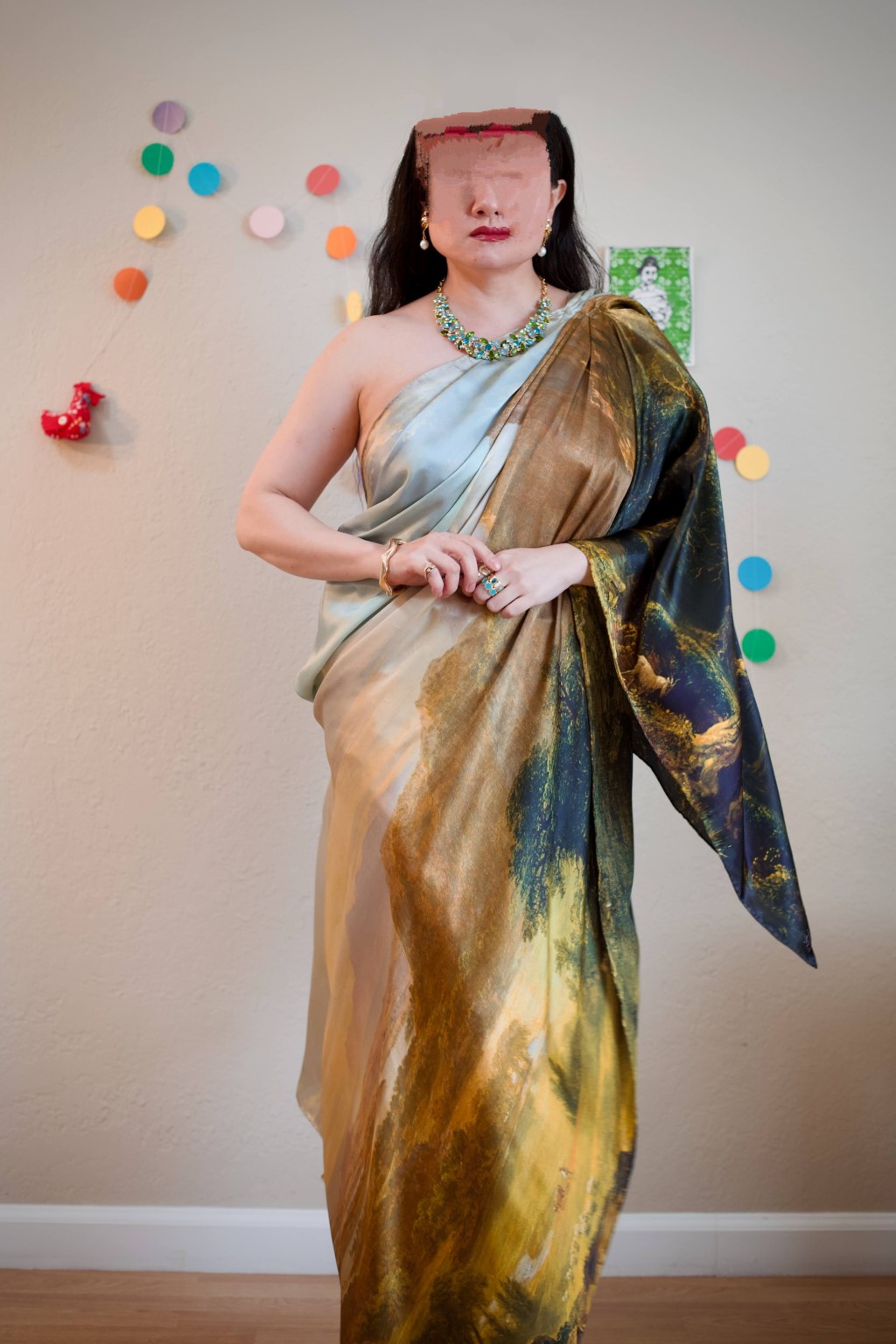
In the early 19th century, a school of landscape painters, later coined the Hudson River School, flourished alongside the American conservation movement. Influenced by the European Romantic era, the Hudson River School celebrated and idealized nature above that made by man. Founded by the English émigré Thomas Cole in 1825, its beginning was marked by…
-
Neptune

The planet Neptune is the farthest planet orbiting the Sun and is invisible to the naked eye. In 1613, Galileo Galilei had mapped the planet with his telescope, but he mistakenly perceived it as a star, even though he appeared to observe that it had moved relative to other fixed stars. Rather it was unexpected…
 hardlyplaying.blog