
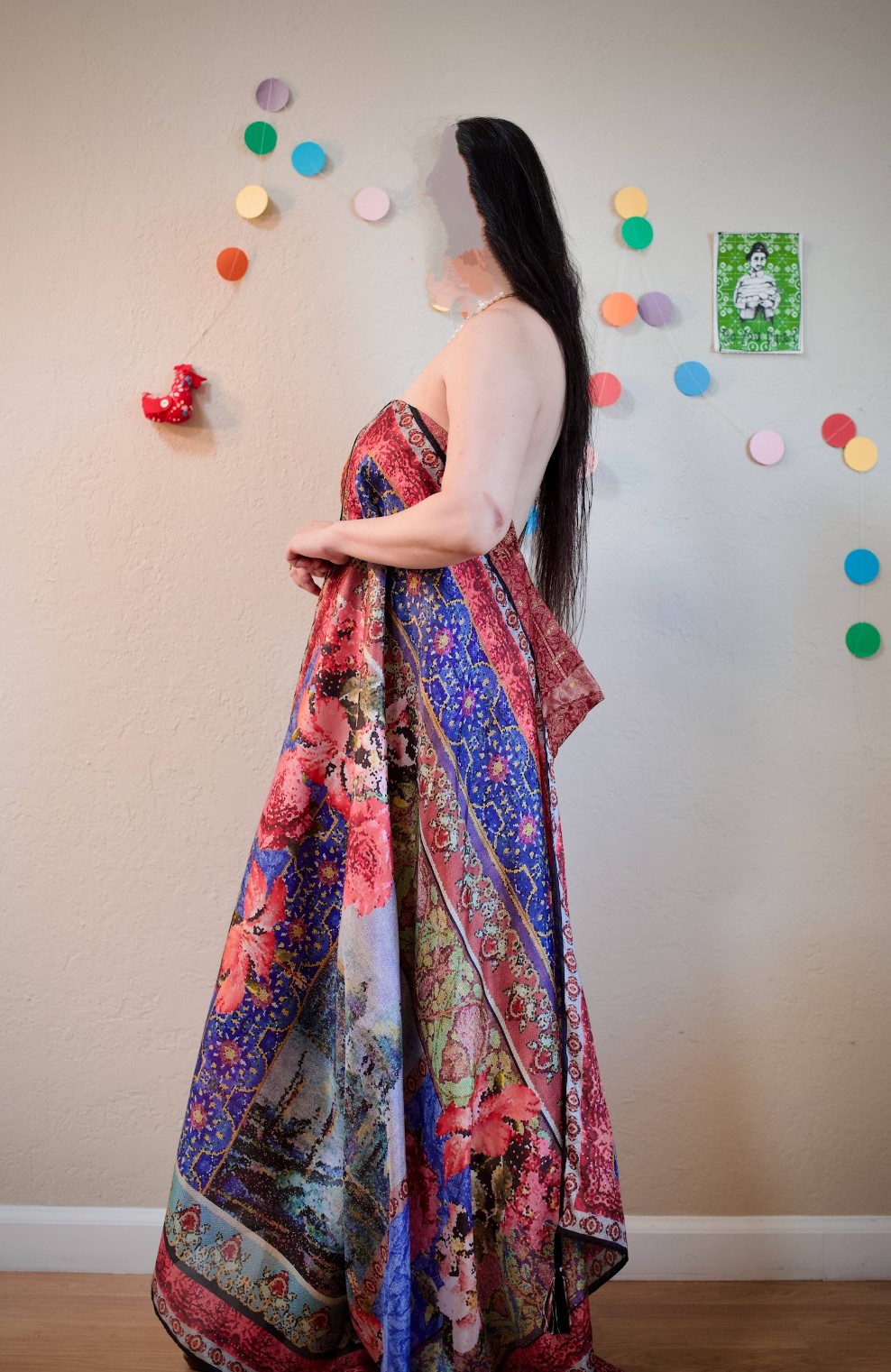
Along the coast of northeastern Italy, where the rivers Brenta, Adige, and Po meet the Adriatic sea, lies Lido, a long sand-bank that forms a bulwark to protect the Lagoon of Venice from fierce storms sweeping often over this turbulent sea. Over thousands of years, sediment brought down from the Alps by these rivers built up mudflats and marshlands between Lido and the mainland. 1500 years ago, the Venetians, amidst the fall of the Roman Empire, driven from their home by Attila the Huns, sought refuge here.
Resolved to build a great city, they drove piles of alder trees, a wood noted for its water resistance, into deep marsh. Istrian limestone transported from the mainland were placed atop the piles to become foundation for edifices. The space between the islands were cleared away to become canal streets to be serviced by the Gondola, which had become as ubiquitous an image to Venice as its golden palaces, glittering domes, and high towers. Within a few centuries, the Venetians had triumphed over their hard fortune to become a great commercial power of the world. Lord Byron wrote of Venice in Childe Harold’s Pilgrimage:
“She looks a sea Cybele, fresh from ocean,
Rising with her tiara of proud towers
At airy distance, with majestic motion,
A ruler of the waters and their powers:
And such she was; – her daughters had their dowers
From spoils of nations, and the exhaustless East
Pour’d in her lap all gems in sparkling showers.
In purple was she robed, and of her feast
Monarchs partook, and deem’d their dignity increased.”
For centuries, Venice had leveraged her position to become the sole trade hub between Europe and the East. In The Merchants Mappe of Commerce, the English merchant Lewes Roberts wrote, “This city then hath for many years had the sole commerce and traffic of all the Mediterranean Seas, and not content therewith, have made that city the common mart of all the commodities of Arabia, Persia, India, and those Eastern rich countries by their great trade to Alexandria and Cairo.” Among the sparkling gems pour’d in her lap from the exhaustless East was lapis lazuli, a stone mined from the mountain terrain of Badakhshan in modern-day Afghanistan. The stone was ground into powder to make a deep blue pigment called ultramarine, meaning “beyond the sea.” Ultramarine was the finest and most expensive blue for Renaissance painters, thus often used to paint the robes of the Virgin Mary and Christ, such as those in The Coronation of the Virgin by Paolo Veneziano, who was regarded as the founder of the Venetian School of painting.
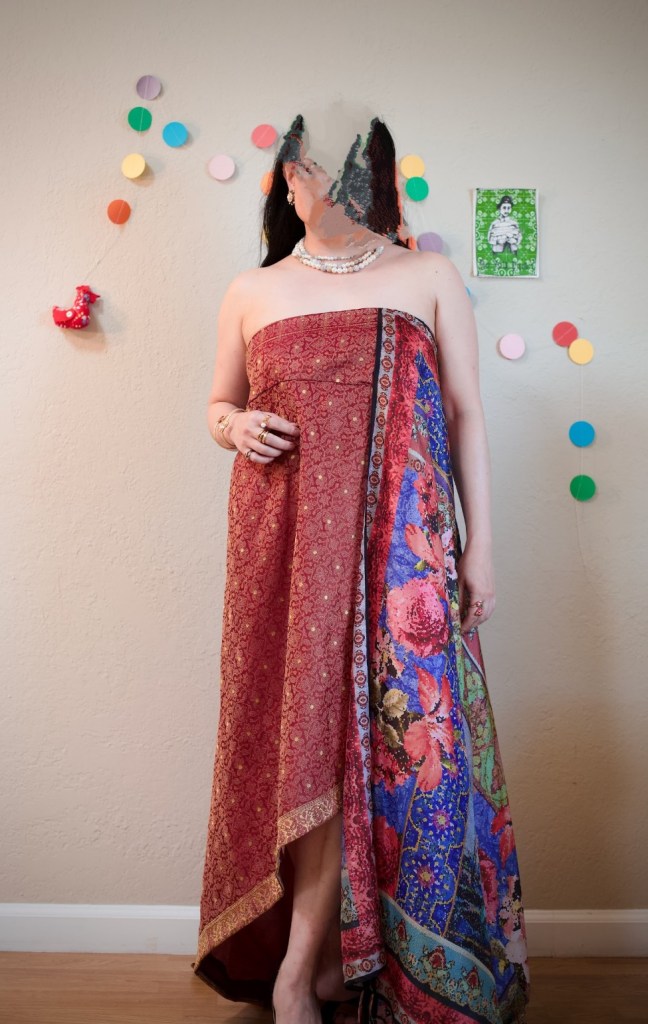
The tradition of the Venetian School was spearheaded by painters such as Giovanni Bellini, who made use of diaphanous colors and layers of transparent oil paints in St. Francis in the Desert to deliver a shimmering, ethereal effect. The city’s tradition of glass making, with their stunning reflective qualities of light and color, also influenced Venetian painters, as a number of them even added ground glass to their pigments to heighten the effect of their techniques. By the 18th century, while other European painters were trending toward depicting the society at large, artists such as Giambattista Tiepolo exemplified the style of grand manner, producing lavish masterpieces depicting heroic epics in elaborate colors and details for the old aristocracy. He was reported to have explained, late in his life, that “painters should aim to succeed in great works, the kind that can please noble, rich people… Therefore the mind of the painter must always be directed towards the Sublime, the Heroic, towards Perfection.”
The 19th-century English poet John Addington Symonds was fascinated by the symphonies and harmonies of the blue color worn by the Venetian working class, in particular the male population who attired themselves in blouses, sashes, and trousers of this color. In his essay In the Key of Blue, he attempted a series of studies, termed “blues and blouses,” in which he depicted his muse, a facchino named Scirocco, with whom he was clearly smitten:
“A symphony of black and blue –
Venice asleep, vast night, and you
The skies were blurred with vapours dank:
The long canal stretched inky-blank,
With lights on heaving water shed
From lamps that trembled overhead.
Pitch-dark! You were the one thing blue;
Four tints of pure celestial hue:
The larkspur blouse by tone degraded
Through silken sash of sapphire faded,
The faintly floating violet tie,
The hose of lapis-lazuli.
How blue you were amid that black,
Lighting the wave, the ebon wrack!
The ivory pallor of your face
Gleamed from those glowing azures back
Against the golden gaslight; grapes
Of dusky curls your brows embrace,
And round you all the vast night gapes.”
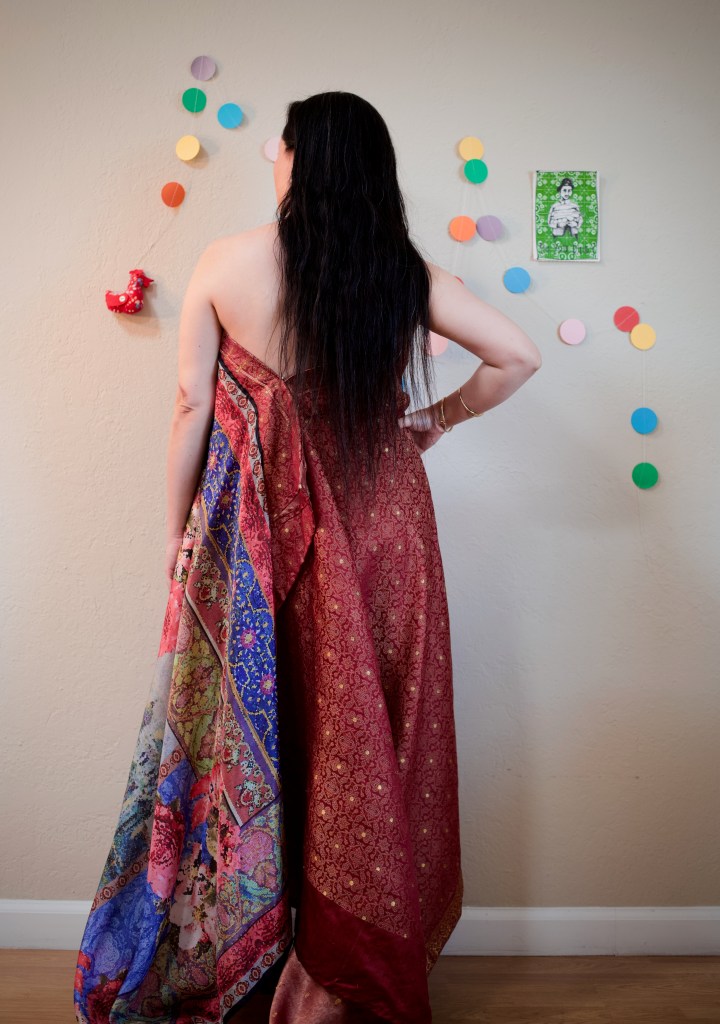
In the end, however, he concluded that no words describing the Venetian colors could compete with a painting by a grand master like Tiepolo:
“How can words paint this warmth of blues,
Blended with black, white, brown, all hues?
Longhi we want, Tiepolo,
To make us moderns feel blue so:
They knew the deep Venetian night,
The values of Venetian light,
Venetian blouses led them right.
Come back, my Muse, come back to him
Who warmed the cold hue, bright or dim.
Those ivory brows, those lustrous eyes,
Those grape-like curls, those brief replies;
These are thy themes – the man, the life –
Not tints in symphony at strive.”
 hardlyplaying.blog