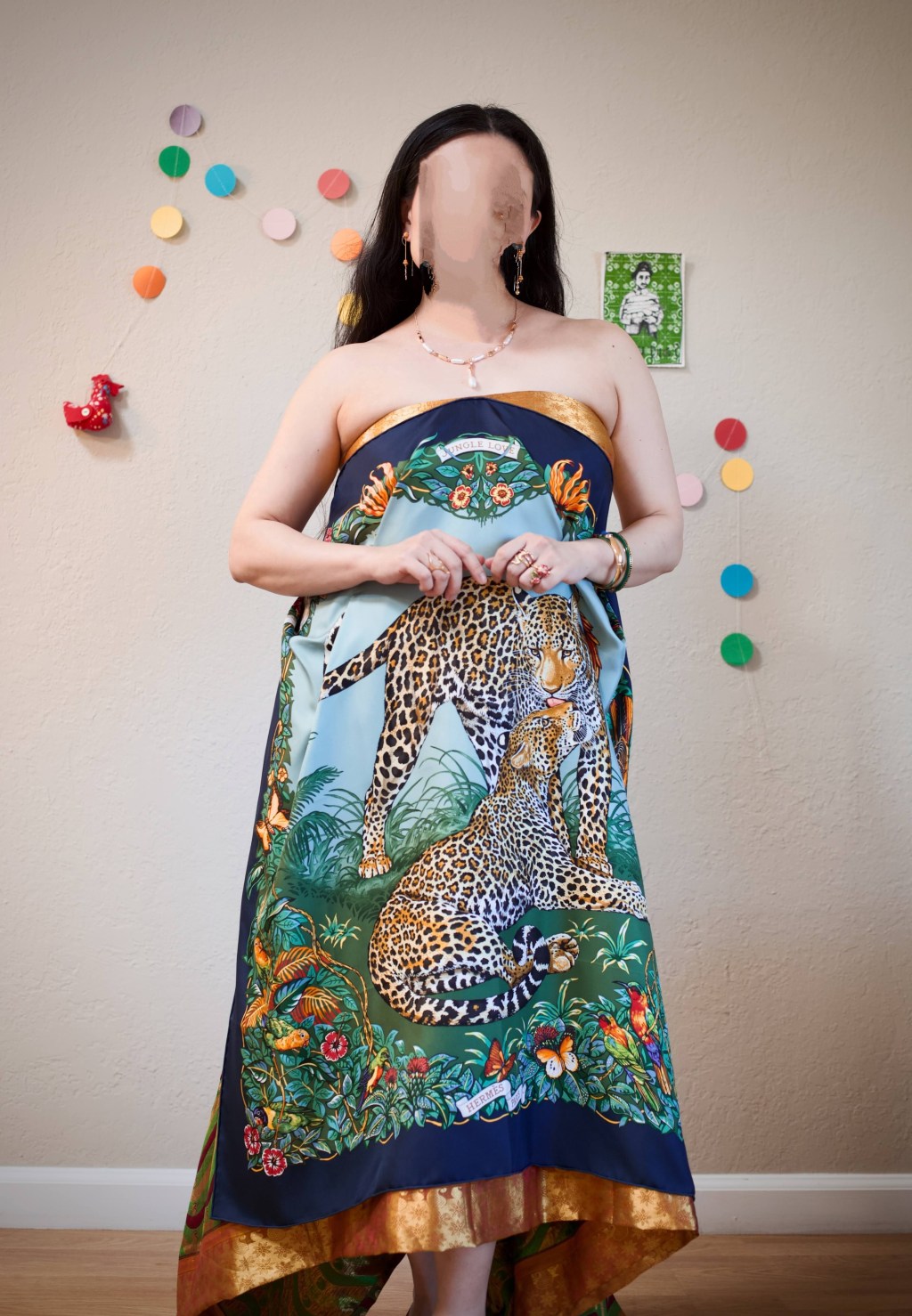
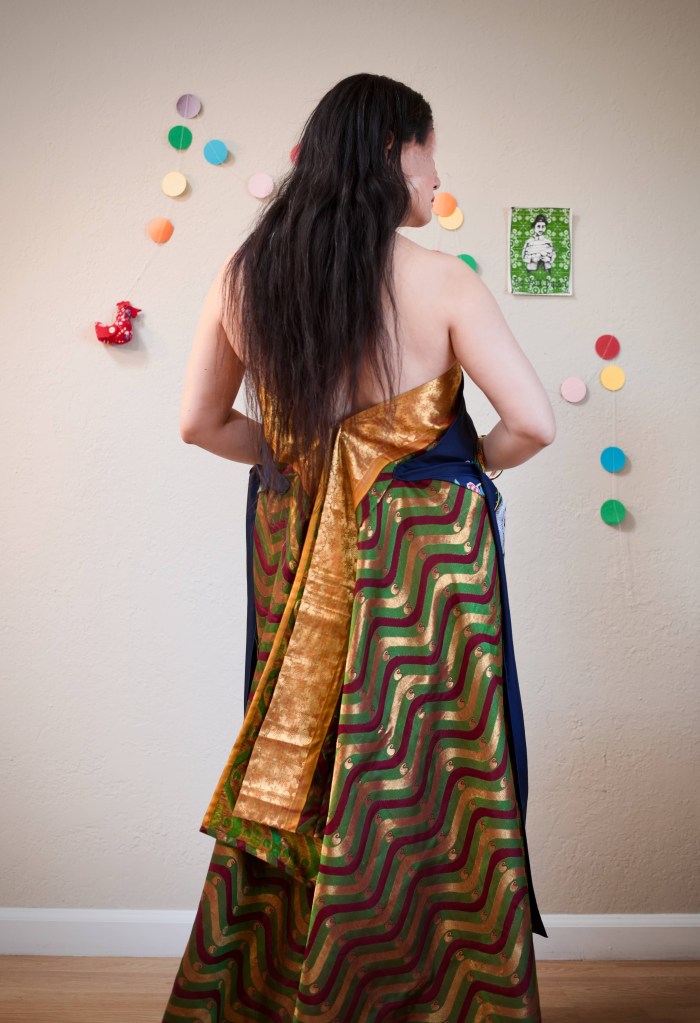
To speak of jungle love is to speak of lawless love, and few if any rival that from a Wild Western in this genre of romance. Among the Western love stories, the most legendary is that of Bonnie and Clyde, having crossed cultural boundaries to capture the world’s imagination. It is said that Serge Gainsbourg wrote Bonnie et Clyde, the “most beautiful love song ever heard”, as an apology to Brigitte Bardot after their disastrous first date. The two recorded the track together in a passion-filled two-hour session in an intimate Parisian studio, where the sound engineer witnessed “heavy petting” in the vocal booth. Having been suitably impressed, Gainsbourg and Bardot would go on to strike up a fiery love affair.
The love story of Bonnie and Clyde was short lived and ended with their death – Clyde at 25 years of age, and Bonnie only at 23 – youthful still to be regarded as “kids”. Yet Emma Parker wrote of her daughter: “There she sat, so young, so lovely – only 23 – with the May moonlight sifting through her yellow hair and making shadows on her cheeks – there she sat and talked to me of death as calmly as if she were discussing going to the grocery store. Bonnie looked up at me and smiled. It was a funny smile – as if she were a million years older than I was; as if she knew things that I’d never learn if I lived for centuries.”
In the eyes of the law, they were a band of callous criminals who robbed, kidnapped, and murdered for money and fame. In the eyes of the public steeped in the Great Depression, they were rebellious, scandalous, and sensational. Iconic were photographs of Bonnie holding a gun while dangling a cigar at the edge of her lips at a time when most respectable women would discretely puff cigarettes in private. In truth, details were fabricated and exaggerated. In her letter to Clyde, Bonnie showed herself to be a soft hearted woman unwilling to commit to a life of crime: “If you ever do [get locked up again], I’ll get me a railroad ticket fifty miles long and let them tear off an inch every thousand miles because I never did want to love you and I didn’t even try. You just made me. Now I don’t know what to do.” “All of this is feminine logic of a woman in love, and has nothing whatever to do with law and order. Bonnie had become an outlaw at heart because she wanted to be with Clyde….She loved him so madly, so insanely and so without rhyme or reason, that she would have stayed with him anyway, no matter what came,” wrote Mrs. Parker.
Inevitably death came to them soon enough. On the last day of their life, six officers emptied over 100 bullets into their vehicle, of which 50 hitting their bodies. Throngs of passers-by loitered at the crime scene to collect souvenirs – a bloodied lock of her hair, a piece of her dress, his ear, shell casings, shattered slivers of glass. Thousands gathered hoping to view their bodies at their funerals. Against their wish to be buried next to each other, Bonnie now rests beside her mother. On her headstone is inscribed, “As the flowers are all made sweeter by the sunshine and the dew, so this old world is made brighter by the lives of folks like you.” Three miles away, Clyde is buried by his brother. His headstone reads, “Gone but not forgotten.” And so to this day, we’re still talking about Bonnie and Clyde.
A classic Western genre is a story of morality, dramatizing the conflict between the wilderness and civilization, in which the heroic cowboy leads the civilized to victory at the end of day. But then a “simple little Western” broke away from the genre to acclaim for itself a new category, the revisionist Western. It is High Noon, such an endearing classic that the phrase “high noon,” which has come to mean the moment of reckoning, has become an international lexicon. The movie has been cited as a favorite by former U.S. presidents Dwight Eisenhower, Ronald Reagan, Bill Clinton, and George W. Bush. Hosting a record 17 White House screenings of it, President Clinton said, “It’s no accident that politicians see themselves as Gary Cooper in High Noon. Not just politicians, but anyone who’s forced to go against the popular will. Any time you’re alone and you feel you’re not getting the support you need, Cooper’s Will Kane becomes the perfect metaphor.”
High Noon was also hated by many for its unconventional depiction of the Western drama. The actor John Wayne called it the most un-American, as he responded in an interview, “four guys come in to gun down the sheriff. He goes to the church and asks for help and the guys go, “Oh well, oh gee.” And the women stand up and say, “You’re rats. You’re rats. You’re rats.” So Cooper goes out alone. It’s the most un-American thing I’ve ever seen in my whole life. The last thing in the picture is ole Coop putting the United States marshal’s badge under his foot and stepping on it.”

Yet another aspect which made the movie so divergent from the cultural current of its time is its portrayal of women. While women in Westerns were typically depicted in secondary roles as saloon girls, prostitutes, and supportive wives, High Noon’s women were presented to be strong and opinionated. The director Howard Hawks said of the movie, “I didn’t think a good town marshal was going to run around town like a chicken with his head cut off asking everyone to help. And who saves him? His Quaker wife. That isn’t my idea of a good Western.” Most astonishing is Helen Ramirez, a Mexican woman who is the financial power behind the town’s upstanding white businessmen. She is smart, independent, and runs her own saloon. It is she, and not Will Kane, who is the through character of the movie. As the lover of all three male characters – the antagonist Frank Miller, the town Marshall Will Kane, and the Deputy Marshall Harvey Pell, her current swain – she knows the ins and outs of the town and its history. She is intentionally depicted to understand Kane much better than his wife does. In the end, she’s the one riding into the sunset, proudly staring down her former lover Frank Miller. In a lawless town where rugged individualism is taken to the extreme, Helen Ramirez embodies the ultimate ambition – the freedom in finance, in love, and the freedom to succeed on her own terms.
 hardlyplaying.blog