
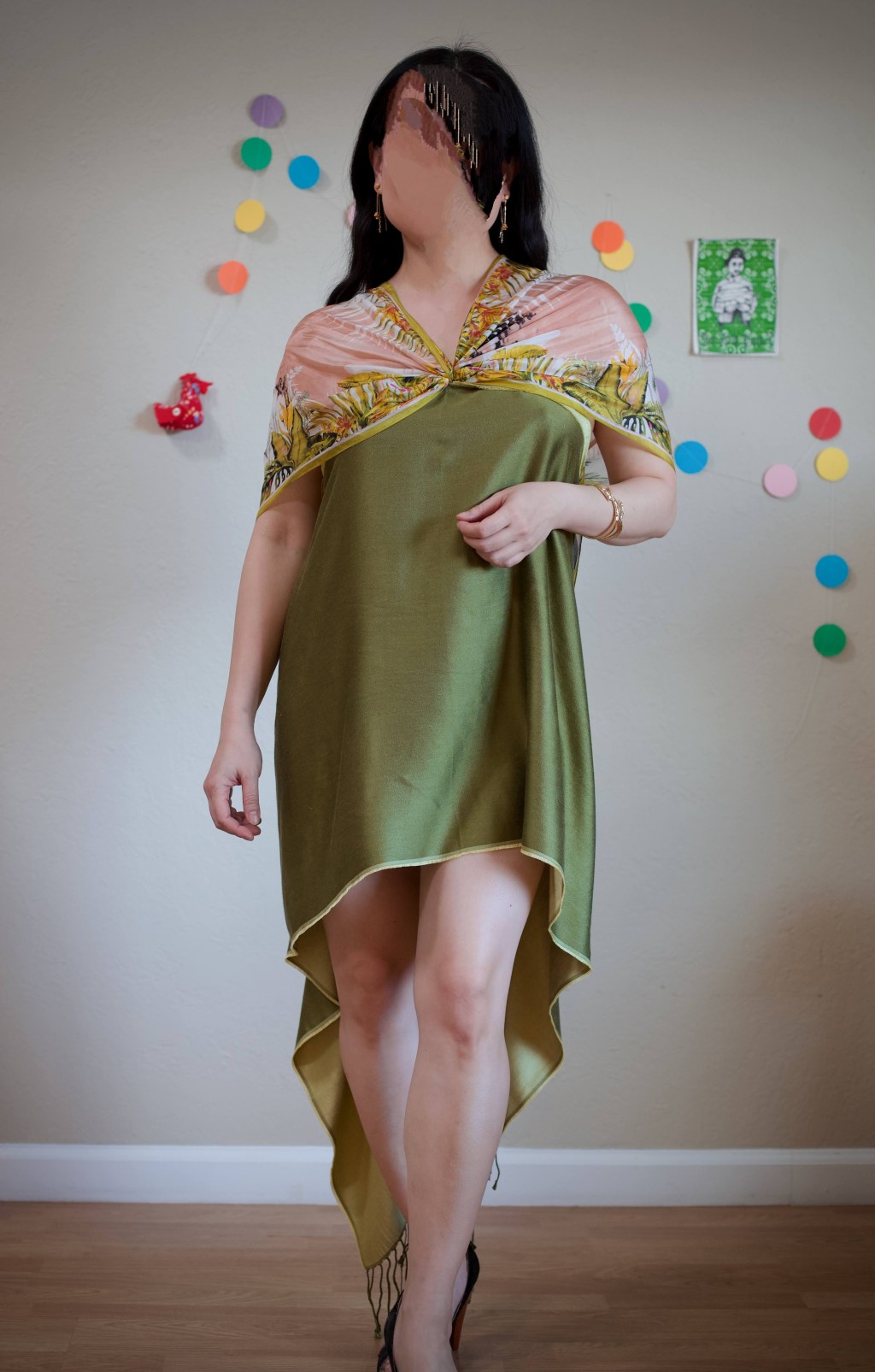
This is the first summer that a pair of white butterflies have become regular residents at the garden. Naturally it makes me look into what has changed from the previous years, and truly the biggest difference is that I have left the garden more unkempt. Much of the vegetation blooming during springtime has been left to dry and rot on the ground, so now it is thickly layered with dried stalks of grasses and groundcovers instead of the usual wood chips. Perhaps the butterflies see it a breeding haven for them.
When they are around, they are almost always by the lavender rows. Butterflies use color visions to search for flowers, and they are very good at seeing purple. While humans have 3 classes of spectral receptors: [red, green, and blue], butterflies typically have 6 classes of spectral receptors: [ultraviolet, violet, blue, green, red, and broad‐band], with spectral sensitivities peaking in the ultraviolet, blue, and green wavelength regions. Each of their two compound eyes is composed of ~6000 lens units, with each unit housing 9 photoreceptor cells in one of three fixed combinations of the 6 classes of receptors. Butterflies and flowers may appear completely white to our eyes, but under an ultraviolet detector, their wings and petals are covered in ghostly markings that they respond to as signals. Their globular compound eyes allow for a right-side up, 360-panoramic view of the world.
While many insects metamorphose, the butterfly goes through a remarkable stage of complete metamorphosis. Until recently, we knew little about what happened within the butterfly pupa, or the chrysalis, which is the metamorphosis stage between the juvenile – the caterpillar, and the imago – the emerging adult. To our naked eyes, the larva wanders to find a location to start its transformation at the end of juvenile. It molts into a non-feeding, immobile pupa, and then Pop! – out comes a butterfly. Now, using imaging technology such as CT scanning, we can observe changes taking place inside a chrysalis. First, the chrysalis digests itself, releasing enzymes to completely dissolve its tissues into liquid. A few survive the digestive process however, including the tracheal system and certain highly organized groups of cells called imaginal discs. Once disintegration is completed, these discs use the protein-rich soup around them to fuel the rapid cell division required to form adult tissues.
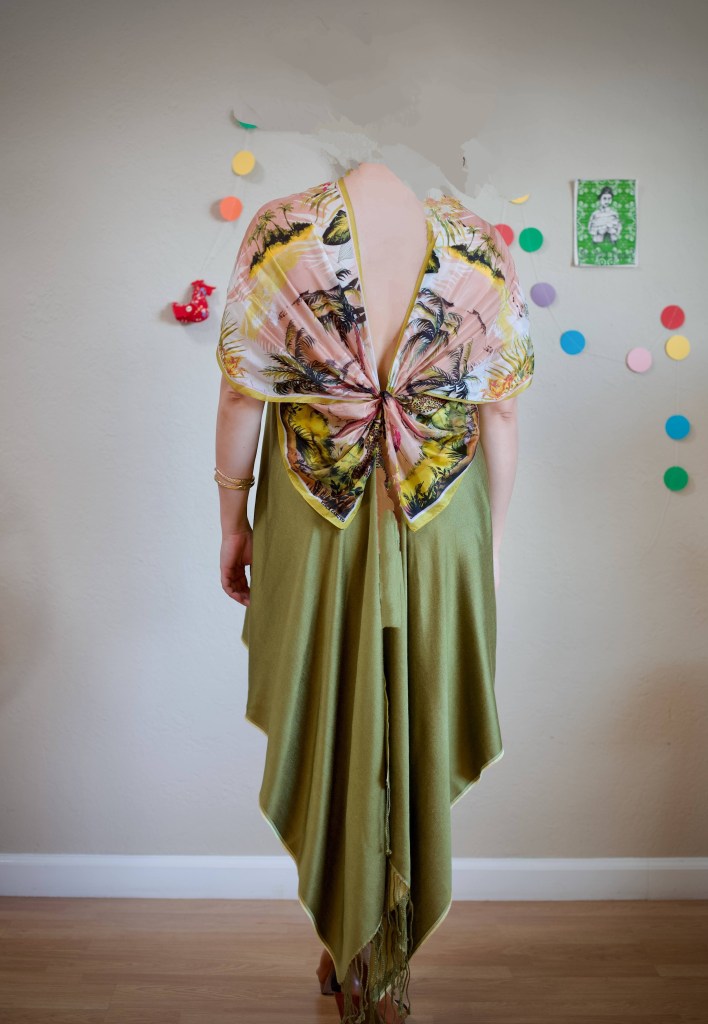
In its remarkable capacity for metamorphosis the butterfly has fascinated, enchanted, and has been written into the arts throughout the ages. The word butterfly in Greek is Psyche, which also means the soul. In Greek mythology, Psyche was born a mortal woman and given multiple trials in order to be with her beloved, Cupid. So striking and beautiful is the butterfly, bursting on brilliant wings after a groveling caterpillar existence to flutter in the blaze of day. In Burmese mythology, the word win-laik-pya means “soul-butterfly.” It is believed that during a person’s slumber, their soul-butterfly escapes, soaring through the universe, meeting other soul-butterflies, and then immediately returns when its owner awakens. The Chinese philosopher Zhuangzi took the butterfly for man’s transformation in his passage into the dream world: “I do not know whether I was then a man dreaming I was a butterfly, or whether I am now a butterfly, dreaming I am a man.” In Sergei Parajanov’s The Color of Pomegranates, the chrysalis symbolizes the transformation in death: “You abandoned us and went away, but we the living wrapped you in a cocoon, so in your new world you would burst out like a butterfly.”
In Emily Dickinson’s From The Chrysalis, the butterfly is depicted metaphorically throughout the three stanzas of the poem. The chrysalis is first likened to bodily restraint: “My cocoon tightens, colors tease.” It is then analogized to a recognition of mental limitation as the author wishes for air, yet having “a dim capacity for wings.” To conclude the poem, its inherent mystery is compared to a labyrinth, where she must use the divine thread to decipher the sign, revealing the nature of the poem to be a confession of love. Who hasn’t stood in front of another being, cocoon tightened, cheeks flushed, feeling dim witted and insecure, wishing for the courage to take flight like a butterfly for a chance at love?
My cocoon tightens, colors tease,
I’m feeling for the air;
A dim capacity for wings
Degrades the dress I wear.
A power of butterfly must be
The aptitude to fly,
Meadows of majesty concedes
And easy sweeps of sky.
So I must baffle at the hint
And cipher at the sign,
And make much blunder, if at last
I take the clew divine.
– Emily Dickinson, From The Chrysalis
 hardlyplaying.blog