
Slow-smoked beef brisket is among the most amazing American food. That a slab of brisket can be made so tender and flavorful is pure wonder and purely wonderful. Again, time has proved itself to be the magical ingredient to transform all things anew, both in textures and in flavors. The brisket spends hours over smoldering wood; its muscle, tough and worn, now mellows and softens while soaking up the smoky goodness from the burning wood, sugar and spice, and all things nice.
To arrive at this iconic food item that we know and love, wood must glow but never burns. When the heat is gentle, everything takes time to become their best self. The cook spends a lifetime learning to manipulate heat and fire, perfecting their craft. I opine that the perfect slow-smoked brisket is best left to the experts.
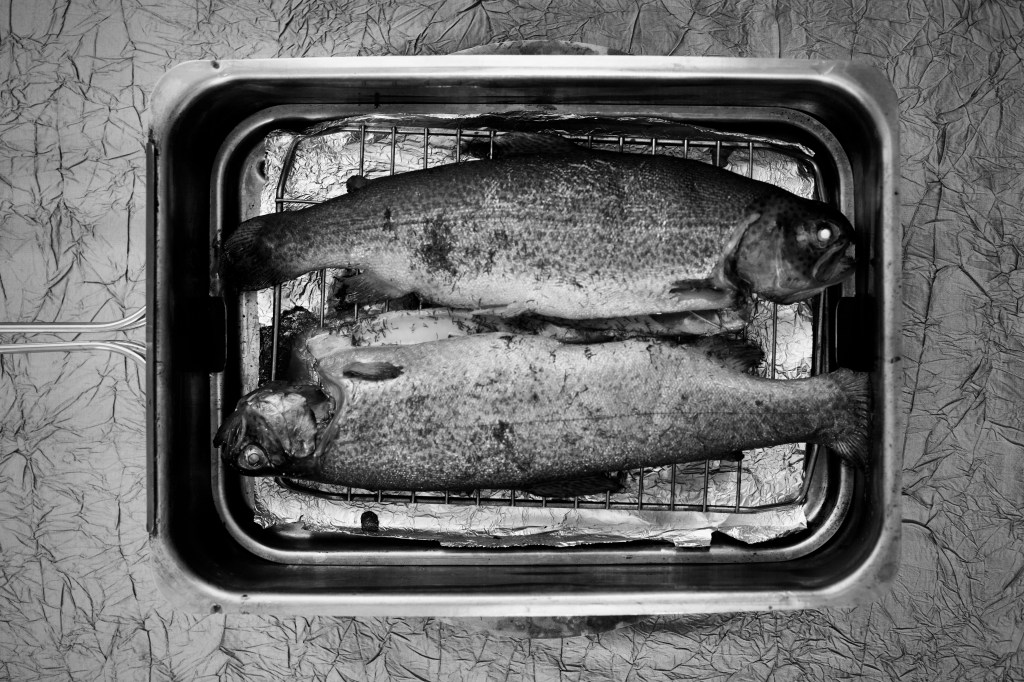
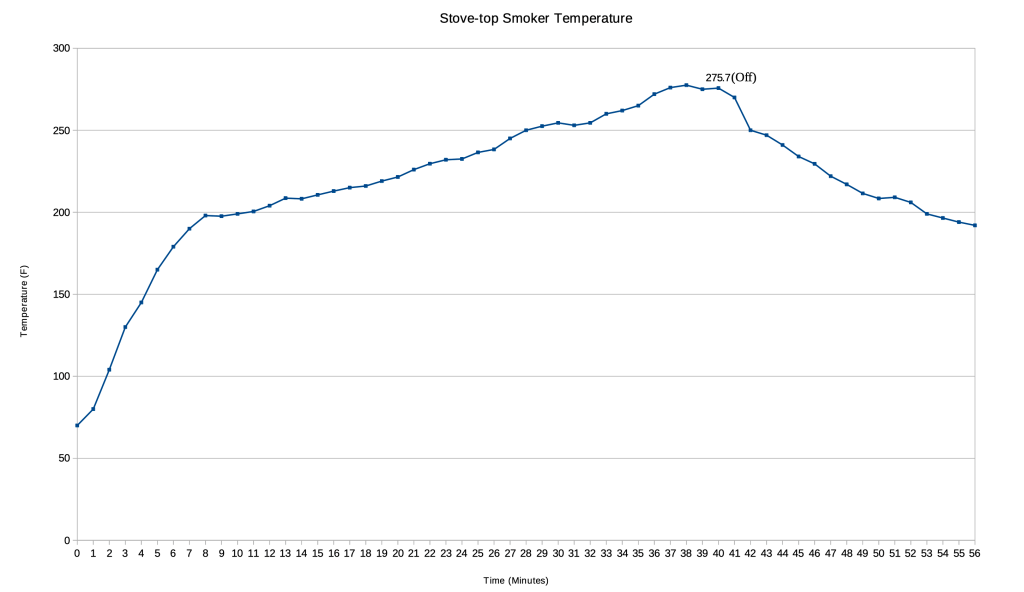
Home cooks can, however, leverage the same low and slow principles. While slow oven roasting meat is able to produce melting succulence without the smoky flavor, using a stove top smoker for items demanding a shorter time such as fish delivers on both fronts. Temperature tracking inside the stove top smoker for smoked trout shows that it reaches 275F within 40 minutes, well fitted to cook the fish to tender.
Another iconic food item is the lobster roll. Once the poor man’s, it is no more. These days, one lobster roll will set you back around $50, so if we are going to make it at home, I feel we should throw our best at it. Stick with the lobster tails to spare yourself some cracking pain. Those who’ve ever tried to break a pair of lobster claws know exactly what I mean. The most convenient for sale are pre-frozen lobster tails. Once you get them home, put on a pair of latex gloves and press both palms down on their top shell to break them open. Then flip them over and use a pair of kitchen shears to cut along the center of the bottom shell. It should now be easy to pry the shell apart in order to peel the meat away from it. No worries if the lobster meat doesn’t stay intact; you’re going to chop it up anyway.
Clean up and make sure to rid the intestines along the center of the tails. Douse them with a tbsp or two of white rum or vodka to eliminate odor. After 30 minutes, dry them with paper towels or linen cloths before cooking. Place the lobster meat single layered, skin-side up, in a glass or a ceramic dish. Add a neutral-flavor oil to completely submerge it. If you’d like to spice it up, fry some spices in hot oil until fragrant and mix it in. Oven to 280F for 15 minutes, or cook them in a stove top smoker for added smoky goodness.
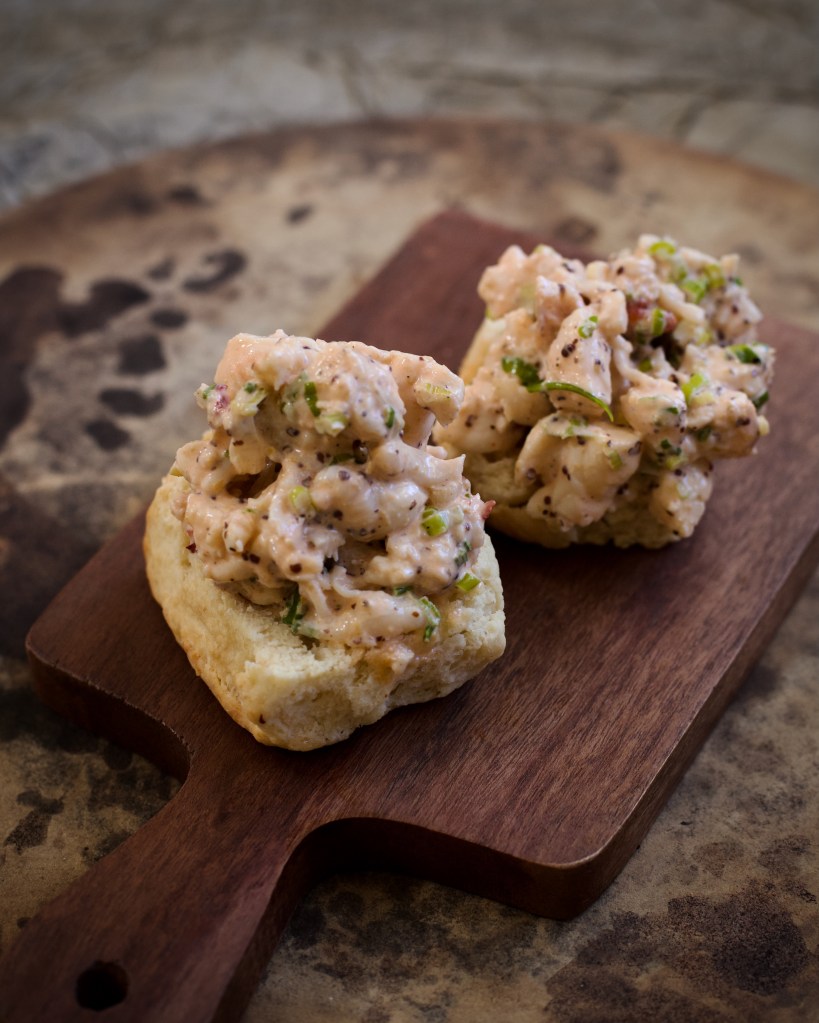
I like to coat the cooked lobster with mayonnaise, a good quality mustard, salt and pepper, and chopped green onions. Lemon juice and celery are popular additions. I have no reason to stuff a $50 lobster in a $1 hot dog bun, so pick a bread fancied, perhaps croissants or buttermilk biscuits for lobster sliders. Similar to how bánh mì is served, these biscuits are hollowed out in the center so that more lobster meat can sit steady on them.
 hardlyplaying.blog