
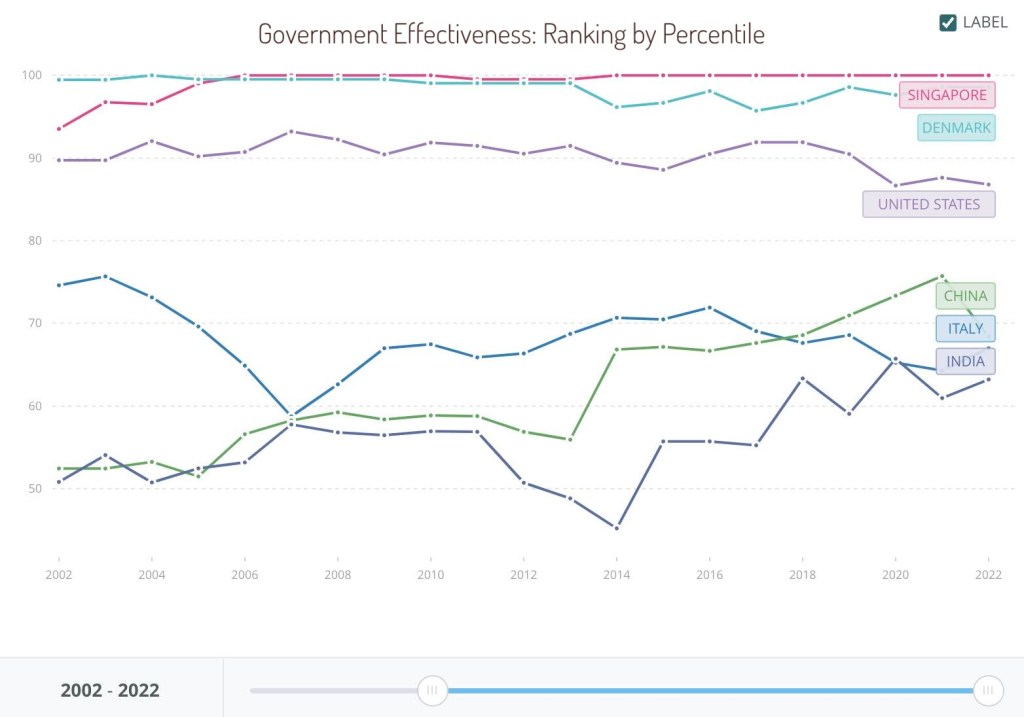
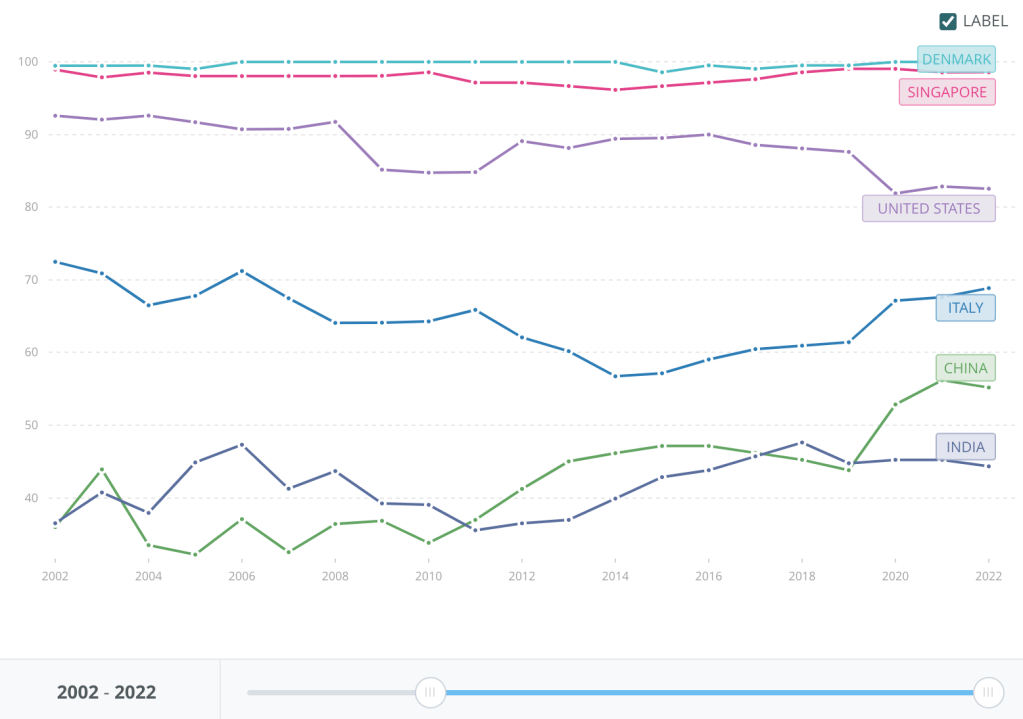
If we are to believe that democracy is the best government system known to men, then we should attempt to prove our premise. It is possible to do so with data provided by international institutions such as the United Nations, the World Bank, and research organizations such as the Pew Research Center. To study the government’s accountability, we look into benchmarks such as corruption, economic statistics, and inequality. To compare and contrast between democracy and other forms of government, the following countries are selected: India and China as classic examples of a democracy and an authoritarian regime, Denmark and Singapore with the highest living standards, the United States, and Italy as an example of a “flawed democracy”.
1. Corruption
Contrary to the common belief that corruption is a character of the state, corruption is a cultural phenomenon. The state is set out to contain corruption, but it does not always succeed, and its effectiveness varies even when it does. State corruption is, then, a manifestation of cultural corruption. China’s history serves as an example of the state’s effort to stamp out corruption. Chinese state building can be understood in terms of tensions between Legalism and Confucianism, revolving around the appropriate role of the family in politics. A strong state was in order to counter the Confucian familistic society that was the source of enormous corruption. Consequently, China invented modern bureaucracy, that is, a permanent administrative cadre selected on the basis of ability rather than kinship or patrimonial connection. It emerged from the warring chaos of Zhou China, in response to the urgent necessity of extracting taxes to pay for war. China’s great legacy is high-quality authoritarian government.
To control corruption is no small feat, and at times requires extreme measures, the sort that can only be done in an authoritarian regime. In his book, From Third World to First, Singapore’s Lee Kwan Yew recounted the dramatic downfall of Teh Cheang Wan, then minister for national development. Being investigated for two bribery cash payments of SG$400 thousand each, he committed suicide as an honorable payment for his mistake. His wife then asked to not have a coroner’s inquiry, rather if they could have a death certificate to show he had died of natural causes. His inquiry went ahead regardless, and they found that he had taken a massive overdose of sodium amytal, creating a painful publicity for his family. Losing too much face, they left Singapore and never returned. It demonstrated the kind of no-mercy approach that Lee took to keep his government clean.
Meanwhile, a democracy system guarantees no control for corruption. Nearly a third of Indian legislators are under some form of criminal indictment, some for serious crime like murder and rape, and Indian votes are often traded for political favors. In Italy, a high degree of fragmentation and instability, leading to short-lived coalition governments, is characteristic of Italian politics. Since the end of WWII, Italy has had 69 governments, at an average of one every 1.11 years. In 2019, the Economist Intelligence Unit rated Italy as a “flawed democracy”. Italian public officials routinely have close ties to the mafia and to businesses. Italian citizens consider political parties and the parliament itself to be the nation’s two most corrupt institutions. In 2011, the U.S. State Department named the Italian president Silvio Berlusconi as participating in the “commercial sexual exploitation of a Moroccan child”. Convicted of tax fraud in 2012, he was removed from the Italian Senate after the Supreme Court confirmed the verdict the next year, but not imprisoned. In June 2013 he was found guilty of paying a teenage girl for sex, and of abusing his political power. His verdict was overturned in 2014.
2. Economic Growth
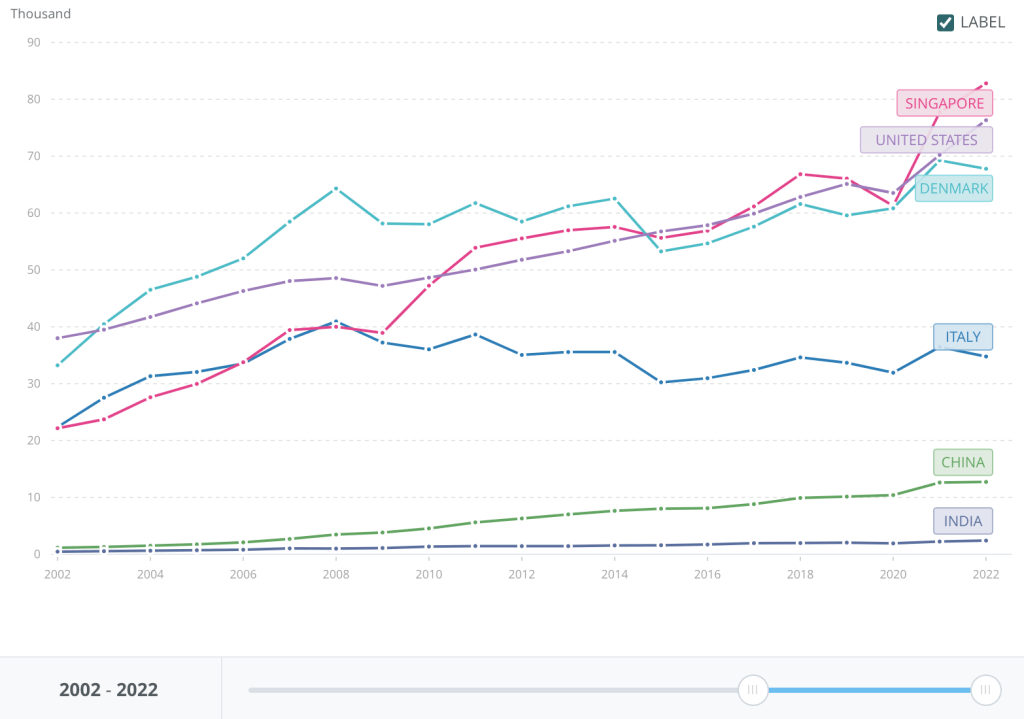
It appears that economic growth favors stable democracy. Economic growth improves social mobilization and enlarges the middle class, who most likely supports democracy’s liberal rule of law. However, there does not show a reverse causal connection that democracy generates economic growth. Countries exhibiting impressive growth while ruled under dictatorship include South Korea, Taiwan, Singapore, Indonesia under Suharto, and Chile under Augusto Pinochet. Meanwhile, Italy’s economy continues to hum along regardless of its failed democratic governments or its corruption problems. Denmark is the one country exhibiting a high-quality democracy with high economic growth. Everyone wants to figure out how to get to Denmark, but there is no magical formula that would do the trick.
3. Inequality
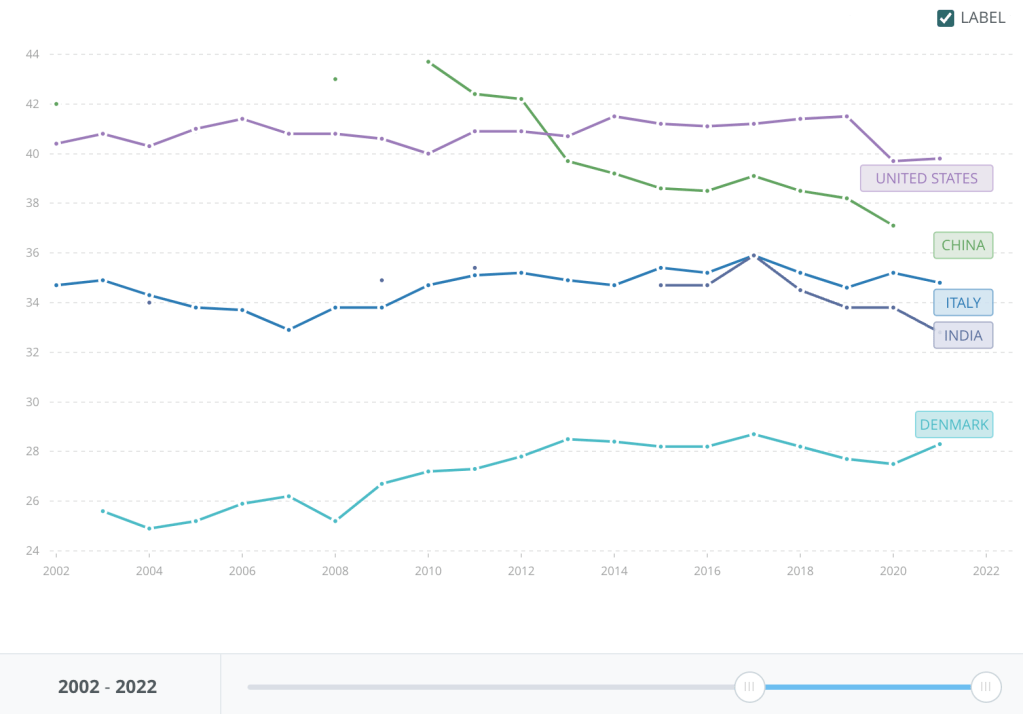
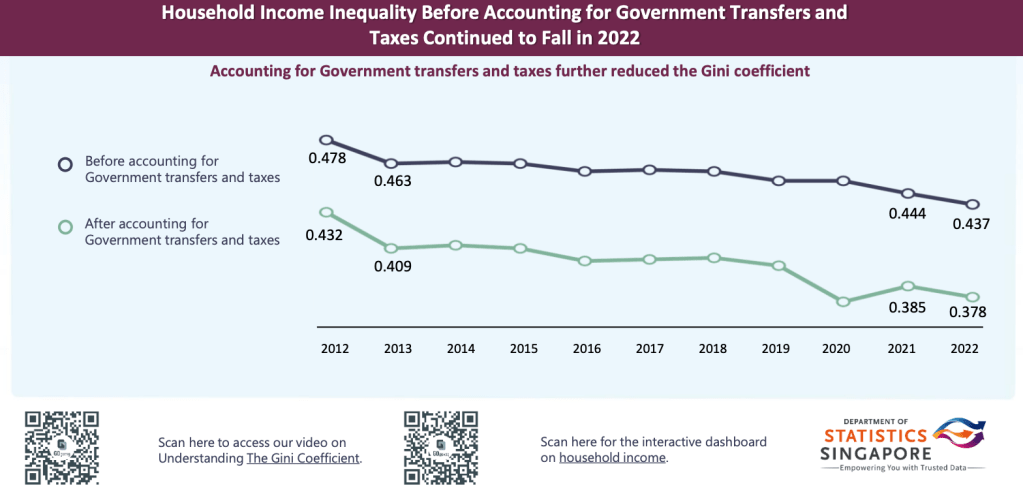
Data shows no correlation between inequality and democracy. The United States exhibits a highest inequality index that is above China’s, while Singapore and Denmark have the lowest inequality indexes. In Political Order & Political Decay, Francis Fukuyama argues for a strong state like the Western European system to alleviate inequality. The obvious difference between the U.S. from those of Western Europe is its racial makeup. Regarding national identity, he argues that it is contentious because all societies were or are complex mixtures of tribes, ethnicities, classes, religions, and regional identities, not excluding European societies. The contemporary 25 European nations were the survivors of 500 political units during the Middle Ages.

Fukuyama argues that Black Americans faced caste-like restrictions to mobility, and should therefore most likely favor a strong state to advance their interests, much like the white working class in Europe. However, as he himself contends that in order to build a strong state requires trust, and because of the history of slavery and on-going discrimination, there is little trust between Black Americans and the government.
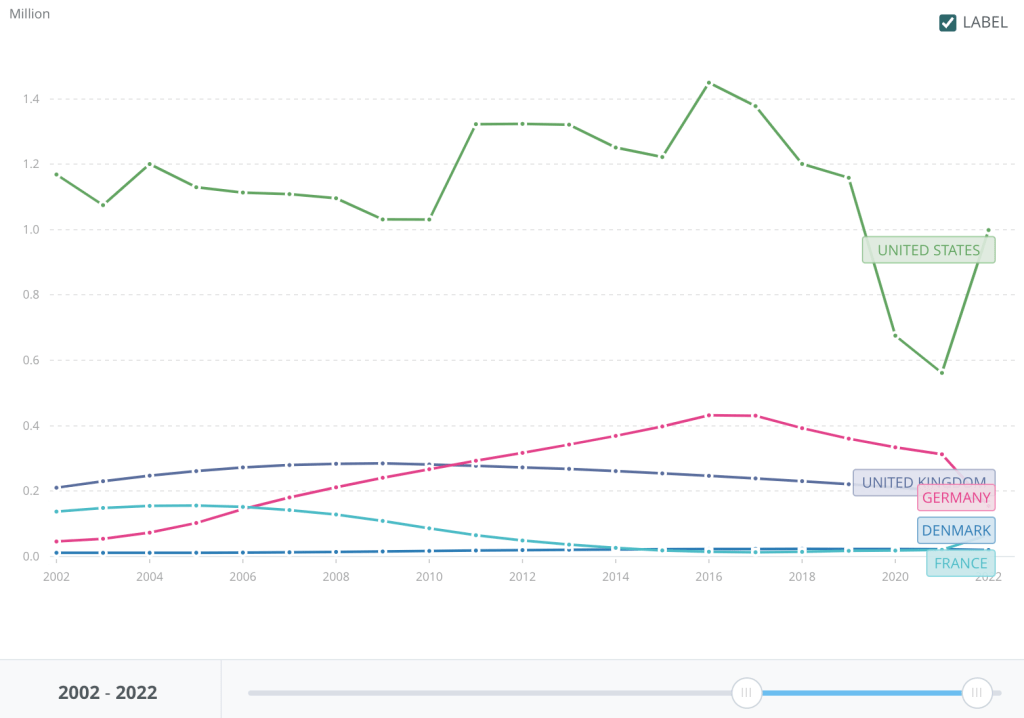
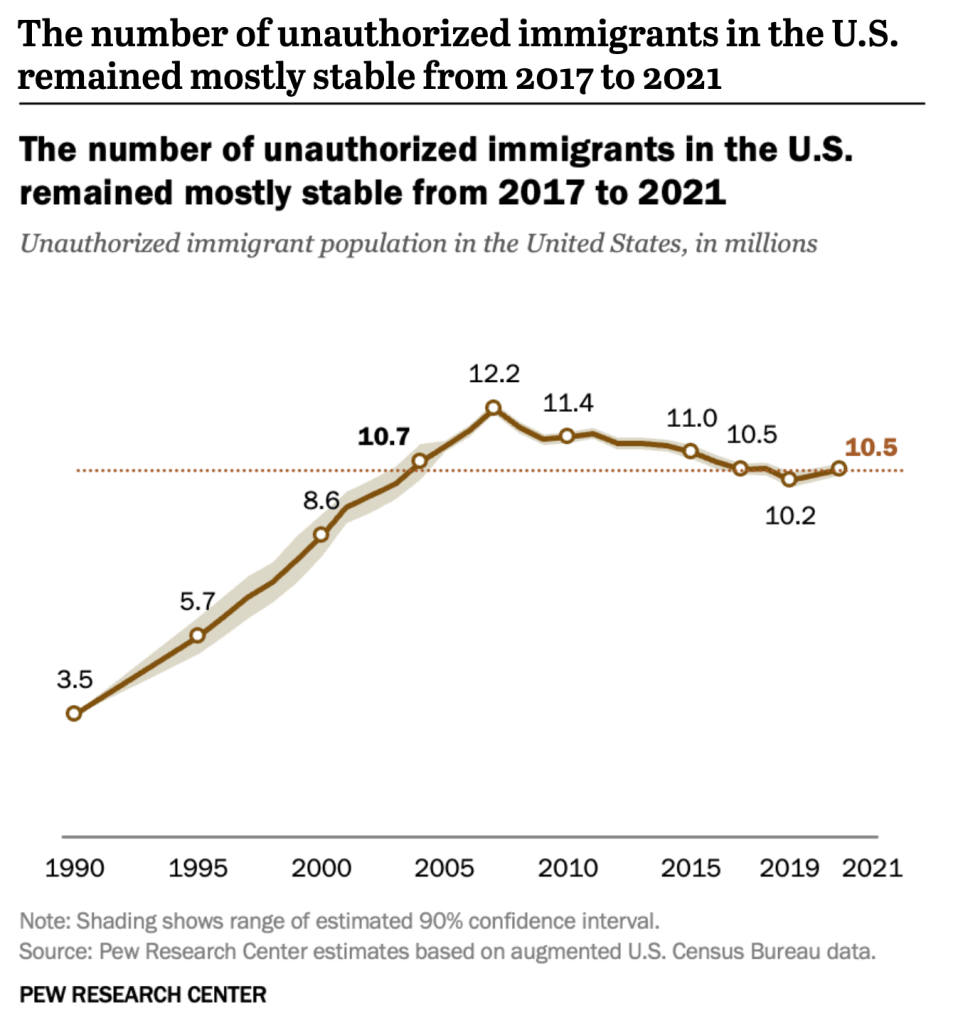
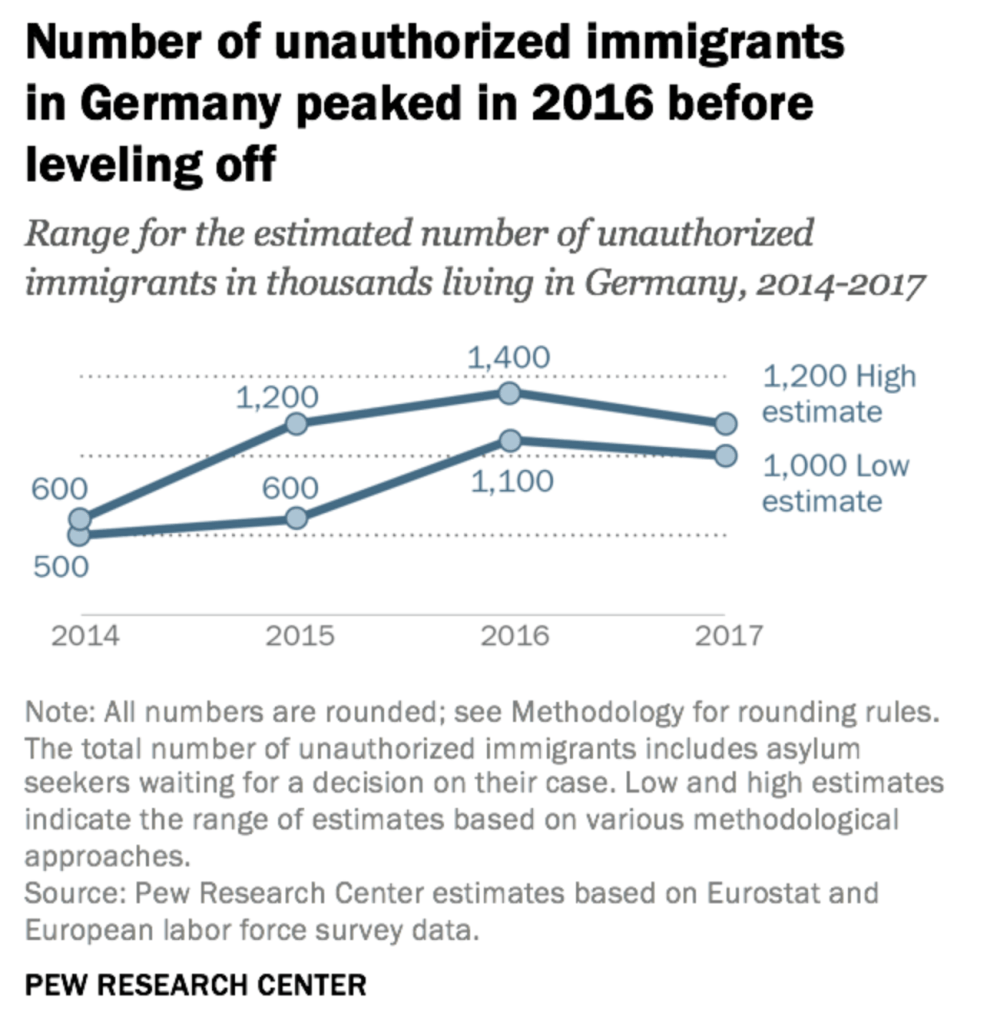
In another addition to the complexity of national identity, there is and has been an ongoing contention with immigration and undocumented labor in the U.S. Net migration into the U.S is still far above Germany, who harbors the largest number of immigrants and refugees in Western Europe. The number of unauthorized immigrants in the U.S hovers ~10 million, while it is ~1 million in Germany. Undocumented immigrants often work in hostile work environments for below-minimum wages, exacerbating the inequality challenges in the U.S.
Reflecting upon legislative enactment to alleviate inequality, the war on poverty is a case study. The legislation was introduced by former president Lyndon B. Johnson in the year 1964. It was proposed in response to a national poverty rate of ~19%. However, data shows that the poverty rate had gone down even before the Johnson administration. The steep decline in poverty began in 1959, 5 years before the introduction of the war on poverty. Since the 1970’s, it has remained at ~12%. Along the way, the war on poverty garnered a long list of skeptics, critics, backlashes, and resentments – from Martin Luther King Jr. to former speaker of the House of Representatives Paul Ryan, from middle-class whites to poor blacks. On its 50th anniversary, the conversation was no longer about whether it had won, but rather whether it had failed. It demonstrates what I have argued previously for a highly complex social system – that the effectiveness of cascaded-down decisions is often ambiguous, and often comes with unintended consequences.
 hardlyplaying.blog