
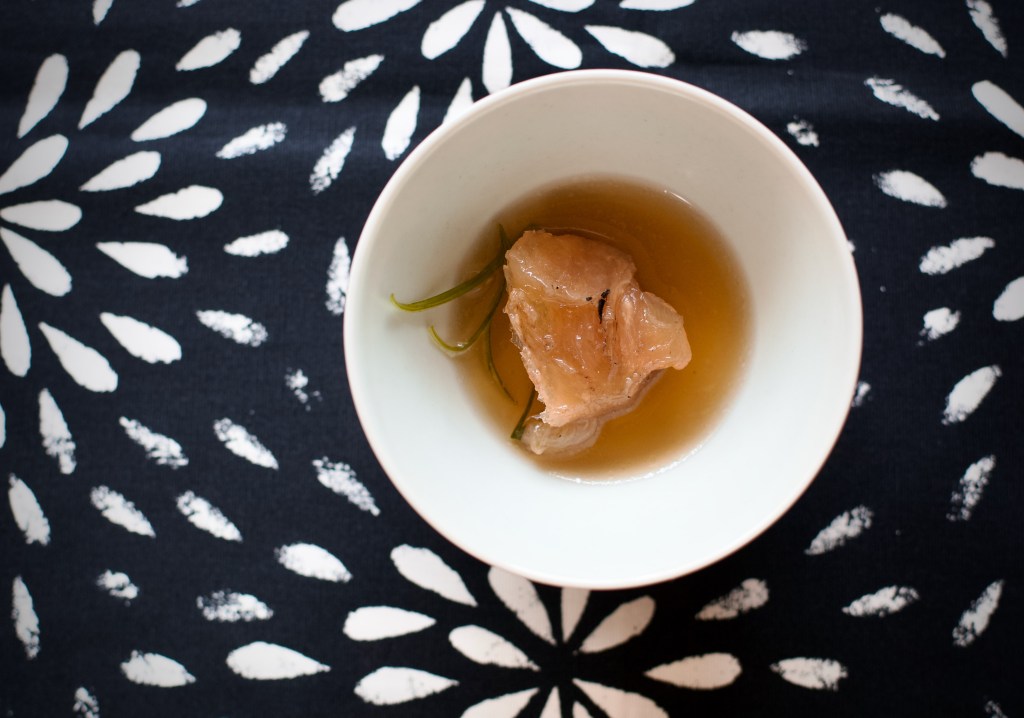
Phở is considered the hallmark of Vietnamese cuisine. Yet it may surprise that it was only created about a century ago in the city of Nam Định, 50 miles south of Hà Nội, the capital city. In the 1950’s, phở migrated south of the country along with its people. Since then, it has traveled a long way from home. From Buenos Aires to Kamchatka, from Prague to Reykjavik, the distances and cities that phở has covered is as wide and far as how it is eaten. Indeed, phở has become globalized.
The story of phở tells a history of the country, a crossroad of French colonialism and Chinese influence. With cows and buffalos being utilized as working animals, there was not a habit of eating beef until the French arrived. Leftover beef meat and bones, rather than going to waste, were turned into beef noodle soup. Very likely, the broth was flavored with a mixture of spices similar to the Chinese five spice in order to mask the strong beefy flavor that locals weren’t used to. In this respect, phở is unusual in that there is no other Vietnamese noodle soup flavored with five spices like it.
Another unique aspect to phở is the charring of ginger and onion to flavor the beef broth. Some say that it is an influence from the French beef broth. However, I think that if it were indeed a French influence, the beef bones and meat would have also been charred, but that is not the case. Meanwhile, there are other Vietnamese dishes which require charring of ingredients, a common technique to improve upon flavors.
There is an obvious explanation to why locals chose not to char the beef bones and meat for broth. First, it intensifies the undesirable strong beefy flavor. Second, the broth standard for Vietnamese echoes that of East Asia, that it should be most clean and clear. In fact, this is how folks in Vietnam describe the quality standard for phở. This is another puzzle, because it is evidently impossible once you actually attempt to make it. Between the charring and the long cooking time for beef bones, the broth cannot come out clean and clear as is. Yet phở shops do churn out clean, clear, and tasty broth, and none of them would ever share their zealously guarded trade secret.
That they figured this beef broth could be made clean and clear may have come from a cook. I theorize they learned how to make consommé for their French master and aspired to it. But it’s doubtful that locals would be wasting pounds of ground meat and egg whites in order to do so. I ran this experiment to see for myself the difference. The strained and fat-skimmed beef broth has larger floating particles, while the consommé is indeed clearer with fewer floating particles.
To get phở broth to be most clean and clear, first soak beef bones in cold water for 30 minutes to rid their blood. How much bones and meat required to make a tasty broth is underestimated. It’s always possible to thin a broth, but not vice versa. They should be loosely packed in a stockpot. Then add cold water to cover and bring to a boil. Pour off the boiling water, clean the stockpot and the bones well, and put them back into the cleaned stockpot along with the charred shallots and gingers. Add water to cover and bring to a boil. Salt and sugar to taste, then dial the heat down to simmer uncovered and undisturbed for 6 hours. Add boiling water periodically to keep the bones submerged.
After 6 hours, turn off the heat and let it stand for another hour before straining the broth. Save the meat falling off the bones for serving. If the beef is fatty, as is the case for American cows, refrigerate the beef broth overnight to skim the fat solidified atop and save the beef fat separately.
Toast a handful of coriander seeds, cardamom seeds, stick of cinnamon, star anises, and a few cloves over medium heat until fragrant. Wrap them tightly in a piece of muslin cloth. Bring the broth to a boil along with the sachet of spices and simmer for an hour before discarding the spices. Before serving, thin the broth if necessary, bring it back to a boil, and fish sauce to taste.
 hardlyplaying.blog