One of the fascinating aspects about fermentation is how it transforms food. For certain food such as wine and cider, their flavors after fermentation represent even more of their essence than before. While grape juice tastes generically fruity, wine pushes floral and fruity aromas directly at the nose, exudes honey and caramel notes, and recalls grapes ripening on the vine under the warm sun. And it’s all thanks to specific strains of yeasts digesting the fruit sugar, releasing alcohol, carbon dioxide, and ripe fruit and floral volatiles in the process. Studies have noted that single-cell yeast separated from the rest of the fungi kingdom around 300 million years ago, after the occurrence of insects, but well before flowers. That all yeast species attract fruit flies suggests that their symbiotic bond may contribute to the evolution of insect mediated pollination in plants, and that flowers may emit insect-attracting alcohols and esters because yeasts had done it first.
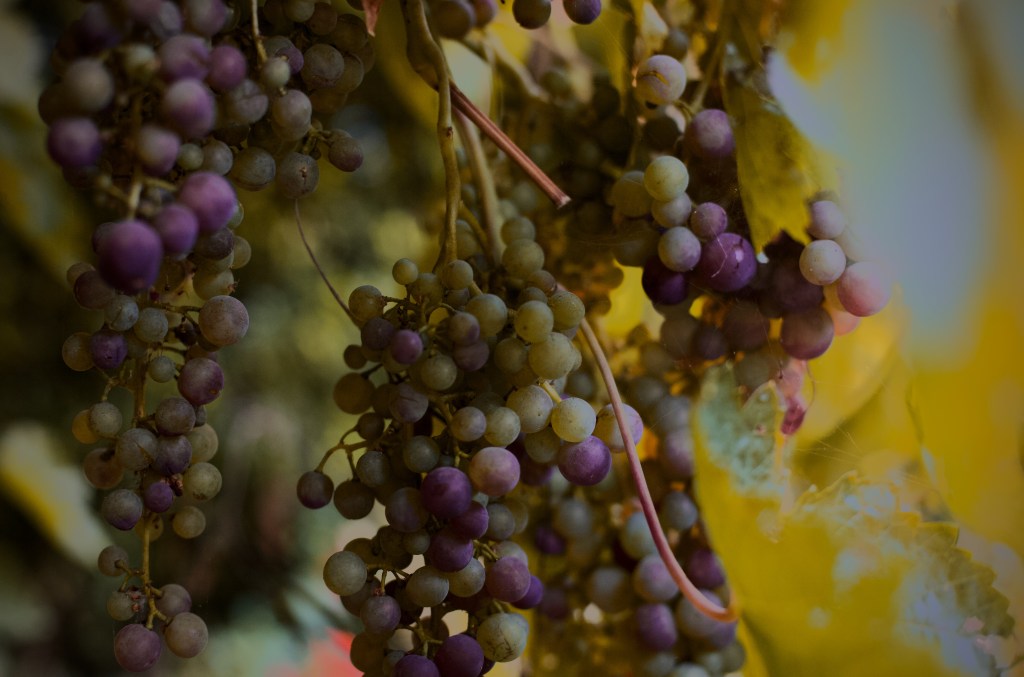
Back to our present day, we now have created many a strain of yeast to ferment fruits into wine and cider in addition to natural yeasts already living on the fruits themselves. And given this harvest of grapes in my garden this year, I have taken an interest in trying to ferment them as well. Like crabapples, these weren’t exactly table grape quality. But the fairly young grape vine managed to churn out about a gallon of juice. Generally, the term cider applies to fermented apple juice, as wine for grape juice. However, there are also pear cider, known as perry, and strawberry wine among many other fruit wines. The two terminologies are not mutually exclusive, and are used across the vast array of fermented fruit juices. I differentiate between cider and wine through how they are made. The process to making wine is generally stricter with higher quality control, and wine has a higher alcohol content and is aged for longer. Though certain American ciders are now also approaching the quality of wine, the same way they are cherished like white wine in their European counterparts.
What I attempted to make was grape cider, a 2-stage fermentation process which took two months from garden to table. The pressed grape juice, which included stems and small young branches, was sweet and tart. It tasted raw and grassy with an earthy color of brown and orange, not unlike unfiltered apple juice. If I didn’t press it myself, I could have mistaken it for apple juice. Then it was time to measure its initial pH and specific gravity values. pH value indicates acidity level, which is important because cider is susceptible to oxidation. Over exposure to oxygen creates a wet cardboard-like flavor and turns sugar into vinegar instead of alcohol. Cider’s alcohol content can be computed with initial specific gravity and final specific gravity values. A hydrometer is needed to measure its specific gravity values. My initial measurements were pH = 3.3, and OG = 1.065.
The yeast I used was blanc wine yeast, ¼ tsp for each quart of juice. Stirring yeast vigorously into the juice is the only time to add extra oxygen to help ensure a fast and strong start to fermentation. Once fermentation began within 2 days, bubbles appeared in juice and floated atop with a strong gassy aroma. It is wise to use a translucent vessel since opening the lid to check on the cider would introduce additional oxygen. As yeast digests sugar, it releases carbon dioxide, keeping oxygen out and also preventing mold from growing. Once you only see a few stray bubbles, the fermentation is complete. This stage should last 1-2 weeks.
After 10 days, there were no more bubbles and my fermentation was complete. pH value stayed at 3.3, indicating that no sugar was transformed into vinegar. The final specific gravity FG was .995, making the alcohol percentage value %ABV = (1.065-.995)/.776 = 9%. The cider smelled warm and fruity, of apple and alcohol. It tasted tart, sharp, dry, and somewhat tannic. Its color was similar to that of a bellini, of pink and brown hue. This completed the first stage of fermentation.
Tannins, which are complex phenolics, add a slight bitter tang and astringency to give ciders their flavor and personality. Through crushing the grapes along with stems and branches, I was hoping to introduce tannins into the cider. The taste of tannin is the astringency that creates the feeling of your cheeks being sucked in and the moisture evaporating from your mouth. After swallowing, it gives a lingering bitter and dry feeling in your mouth.
Now it was time to “rack off” the cider for second stage fermentation. To rack off properly, invest in a siphon. A siphon lets liquid transfer from one vessel to another without oxygen contact and leaving the sediment behind, which are both important in preventing cider from oxidation. The way siphon works is through gravity, with the original vessel sitting at a higher level than the destination. You can invest in an auto-siphon, which works after a few pumping actions. Or you can do it the old school way by sucking some cider into your mouth before shoving the tube into the receiving bottle to induce the differential pressure required to pull the liquid downward, assuming the sharee doesn’t mind a bit of your saliva. To avoid contamination, I rinsed my mouth with vodka. I siphoned the cider into one-liter bottles, and topped up with 50 ml of apple juice in order to fill the liquid to the bottle’s neck level.
During the second stage of fermentation, lactic acid bacteria in the cider ferment its natural malic acid into carbon dioxide and lactic acid. Lactic acid is mellower than malic acid. Thus allowing for malolactic fermentation gives a smoother, gentler cider. Second stage fermentation should prolong for a minimum of 2 weeks up to 1 year or longer. The longer it is left to age, the mellower and more complex it becomes. First stage fermentation allows for fruity and floral aromas to come forward. Aging the cider brings out honey and caramel notes.
To make sparkling cider, additional sweetener is needed to encourage extra carbon dioxide production. If the cider has not been siphoned into skinny neck bottles, it should be bottled about a month into second stage fermentation. If you wait too long, you may need to add yeast again since they die off over time. After a month, I added ½ tsp of maple syrup into each 250-ml bottles before siphoning my cider. Then it’s another 2-week minimum wait before the sparkling cider is ready. To avoid overpressure from carbon dioxide buildup, open the bottles, known as burping, every few days.
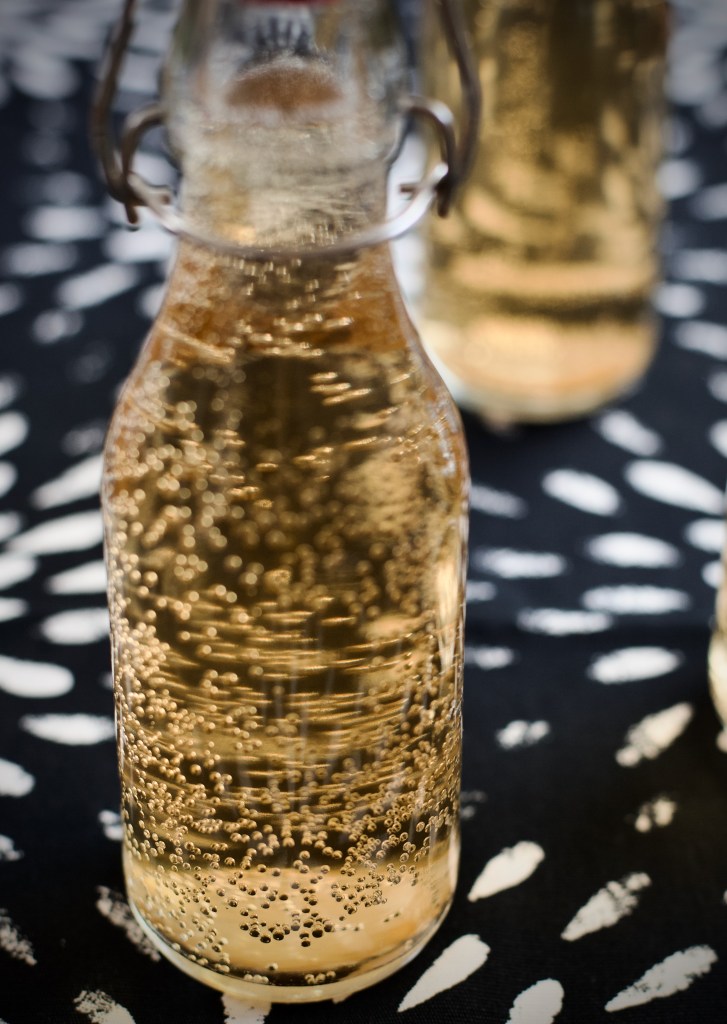
The final cider’s clarity was clear and had a straw yellow hue. It tasted fizzy, dry, with a clean, less creamy mouthfeel compared to after the first fermentation. It had become softer, with fruity and floral aromas along with caramel notes. The finish was medium and clean with only a little tannin feel. While cider is generally recommended to be drunk cold, I found this cider better at room temperature. After refrigeration, it tasted sharper and its aromas were less prominent.
Another 6+ months have darkened the cider’s color into a wheat-like yellow hue. There is no more frizz. It has prominent honey note with a floral base. Without the tannin, it tastes soft and acidic. The finish is on the short end with a creamy feel.
 hardlyplaying.blog