
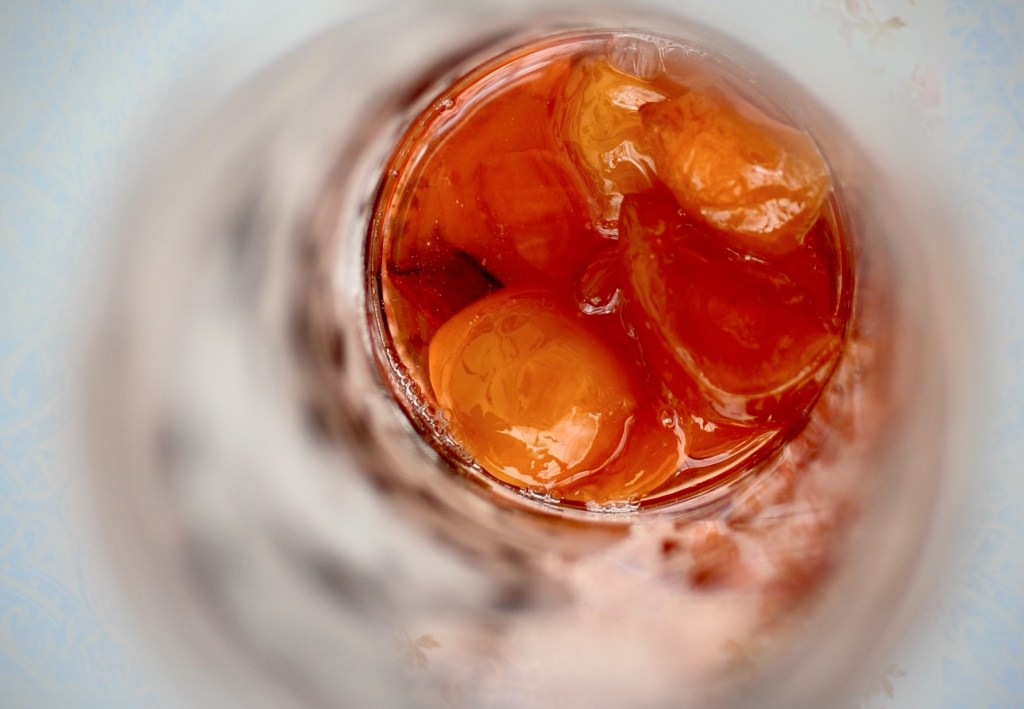
Among the most popular methods to preserve fruits is candied, which is to cook them in sugar. Cooked fruits loosen their natural juice into the sugar to become syrupy and release their own pectin to thicken it. Fruit preserves are typically organized into jam, jelly, and marmalade. Jam is fruit bits and sugar stewed into a pulp, taking about a couple of hours, the most basic and easiest to make. Jelly is fruit juice, without pulp, cooked in sugar and additional pectin in order to thicken. Jelly is of firmer consistency than jam and also clearer in clarity. Marmalade is candied citrus fruits with their peels, thus giving a bitter quality to their overall taste.
The ratio of fruits to sugar depends on the fruit’s acidity level and your tastebud. I typically employ a ratio of 1 part sugar to 2 parts of fruits by weight. It is on the lower end of sweetness. Canning keeps fruit preserves for longer, otherwise they last for a few months refrigerated. A higher ratio of sugar enables a longer shelf life. Another way to keep candied fruits is to retain whole pieces of fruits while cooked, then dry them afterward. Dried candied orange peels are popular, but any other fruits can be done in this manner. Save for marmalade, always add some lemon juice to your candied fruits. It balances the sweetness and improves their taste. Similar to salt curing, the candied method can also transform certain inedible fruits, such as quince, into a beautifully colored and fragrant jam.
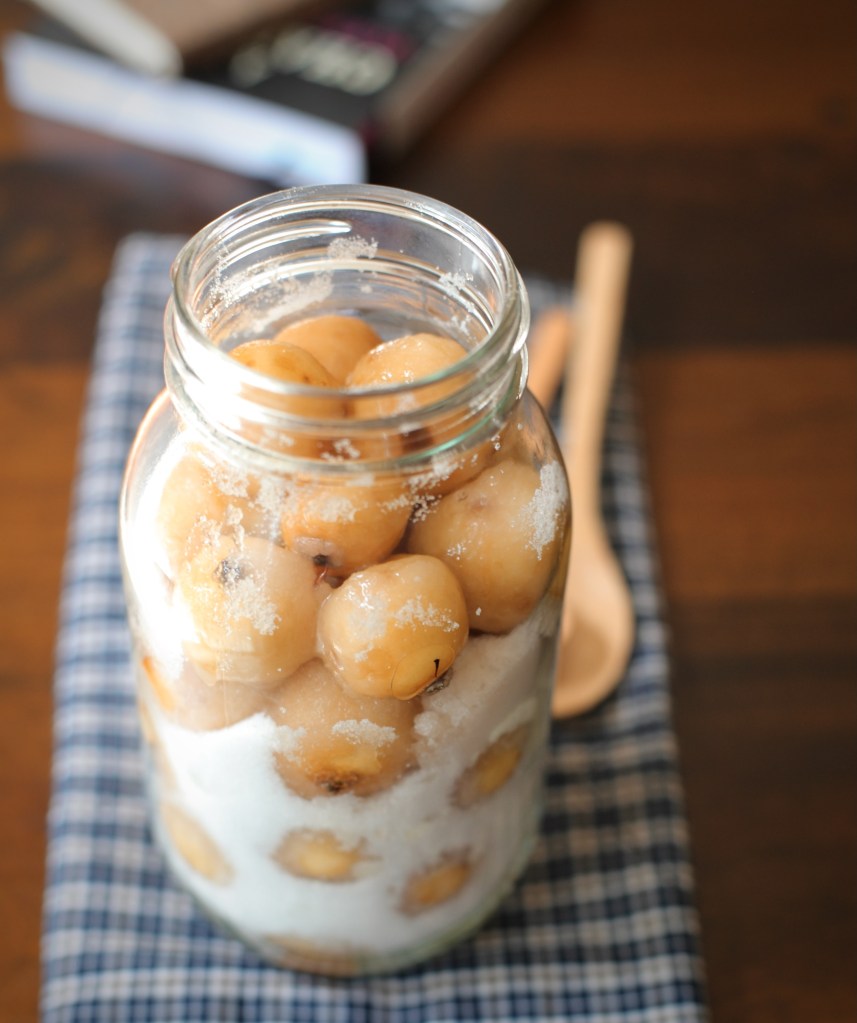
Another less popular, but more exciting, way to preserve fruits is brandied. Brandy means burnt wine in German, named for spirits distilled from fermented fruits. In this brandied method, natural yeasts occurring in fruits digest sugar into alcohol. Brandied fruits are sweet and boozy, much more interesting taste-wise. Until the yeast makes alcohol, the fruits need to be kept safe from molds. Ensure the jar is sterilized, then douse peeled fruits in sugar and top up regularly until you see bubbles coming atop and smell a yeasty alcohol aroma, somewhat similar to fermented bread dough. Once the yeast starts making alcohol, it will also release plenty of carbon dioxide, keeping mold away. For this same reason, fill the jar to leave only a little space atop and keep it well lidded. It is not necessary to top up with sugar once the yeast starts working. For my brandied plums, it took 10 days to see visible bubbles. Taste regularly and keep refrigerated once it is to taste, else the yeast will continue to turn sugar into alcohol.
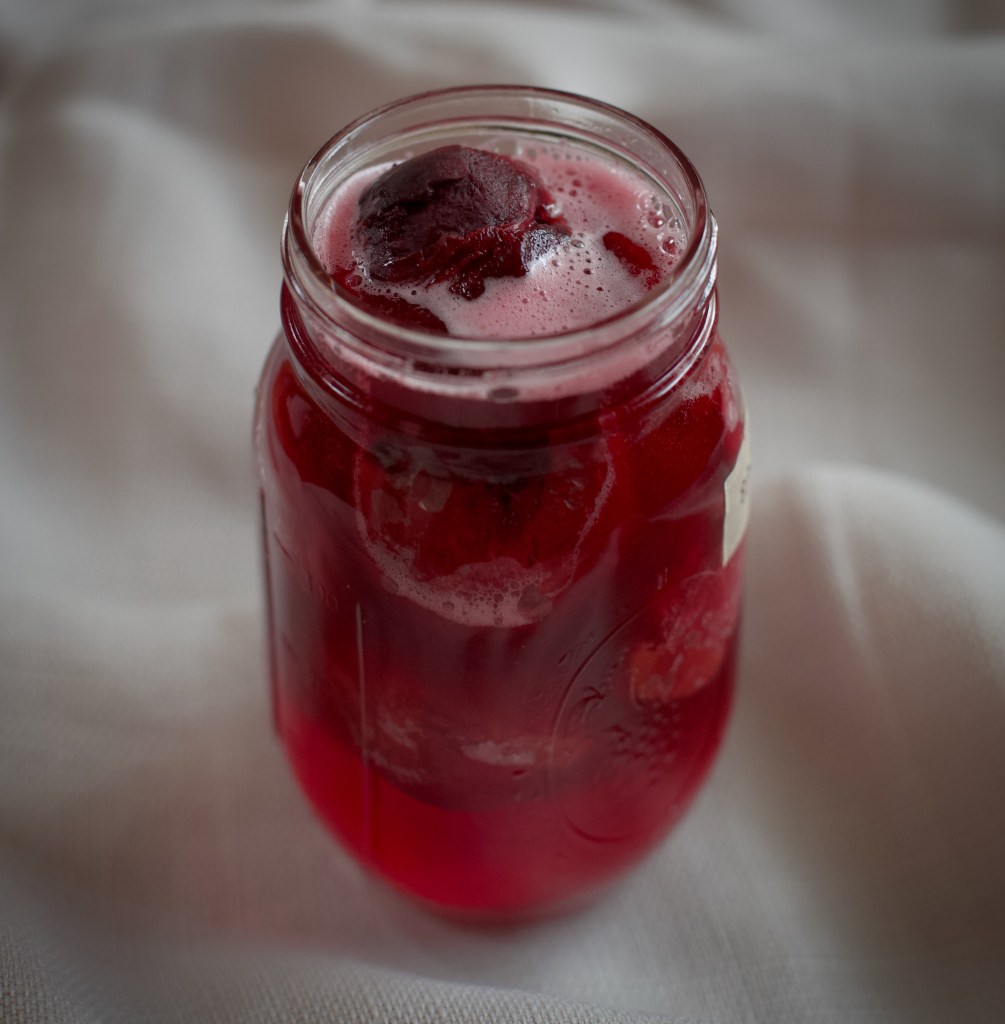
To detect mold in your brandied fruits, it looks like patches of white fuzz floating on top. Don’t fret; just discard the mold patches and repurpose them into candied fruits.
To make a mock brandied, fruits can be cooked in sugar, then preserved with added spirits. For complimenting flavors, use a brandy, which has honey and caramel notes. Bourbon, the American whisky, carries vanilla and coconut aromas from aging in charred oak barrels. Similarly, dark rum, made from molasses and cane juice, also carries notes of vanilla, coconut, clove, and cinnamon.
This method works well for fruits that do not peel well, such as fig. Figs are first cooked in sugar over low heat and rested in between cooking in order to firm up and remain intact. Pour ½ cup of sugar to cover the bottom of a 10-in ceramic dish, lay 2 lbs of the figs atop the sugar in a single layer, and pour another ½ cup of sugar atop of the figs. Add a pod of vanilla, scraped seeds and all, to the figs. Cover the dish with an opening to let steam escape and cook over low heat. Once the syrup comes to bubbling, cook for another 10 minutes, then let stand for 4 hours and repeat twice more until the figs are translucent. Alternative to the stovetop method, bake the figs for 40 min @ 280F. If it cannot be done in one day, refrigerate in between cooking.
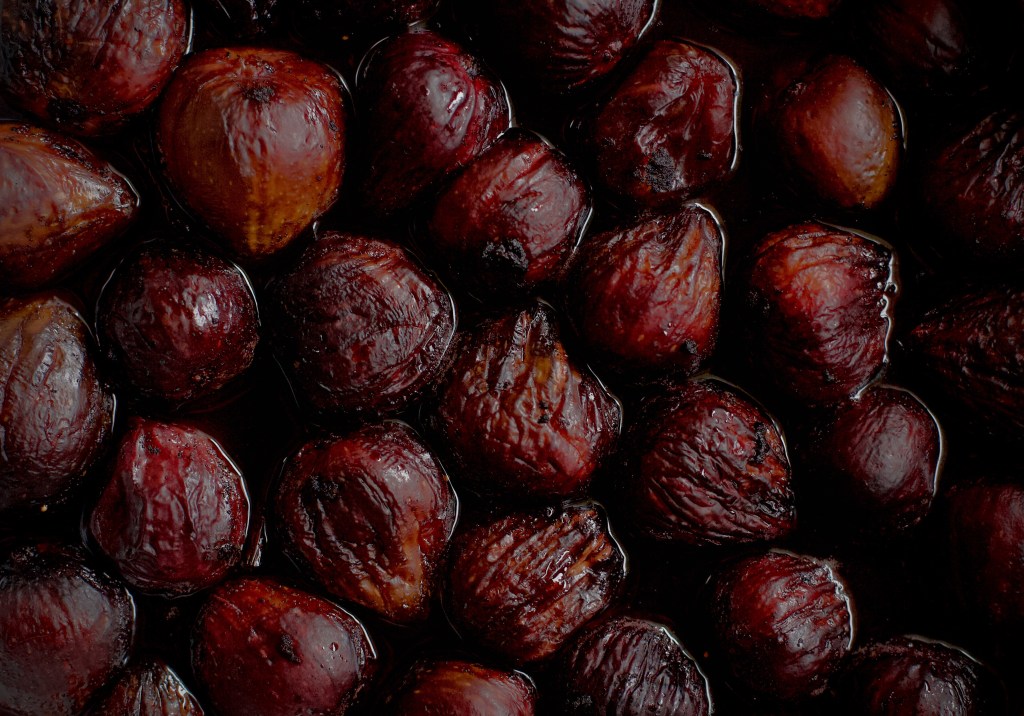
Once the figs are cooled to room temperature, place them in a sterilized canning jar. Add ~¼ cup of bourbon, brandy, or dark rum to the remaining syrup, enough to drown the figs fully in their jar. It can be canned or kept refrigerated. Beside being toast spread, candied and brandied fruits are great with cheese or ice-cream. They also make a flavorful marinade and dressing in place of plain sugar.
 hardlyplaying.blog