

Pickling is among the simplest and quickest approaches to fermentation. It is mostly utilized for vegetables, where they are submerged in a brine along with herbs and spices of choice. As they are left to ferment, existing lactic acid cultures develop to give the vegetables and the brine a pleasantly sour taste. They are ready for eating at any stage of pickling, depending upon preferences. Sauerkraut is typically eaten when very sour, but kimchi is enjoyed while still fresh and crunchy with little sourness. When kimchi becomes very sour like sauerkraut, they are appreciated in soups and stews instead.
In Vietnam, mustard greens and eggplant berries are most popular for pickling. Eggplant berry pickles are such a ubiquitous food in Vietnamese cuisine that they are inscribed into folk poetry:
“Anh đi anh nhớ quê nhà,
Nhớ canh rau muống, nhớ cà dầm tương,
Nhớ ai dãi nắng dầm sương,
Nhớ ai tát nước bên đường hôm mai.”
[I’m far away, and I miss home,
Morning glory, berries in tương,
Who’s drenched in sunlight, basted in dew,
moving water by the earthen bund.], where tương is fermented soybean, the Vietnamese version of miso.
Dill pickles are among the most popular condiments in America. The name is short for cucumbers pickled with dills as the flavored herb of choice. Most dill pickles sold at grocery stores are not true pickles, as they are not soured through lacto-fermentation, which is a natural fermentation. Vinegar, an acetic acid, is added for sourness, which does not give the same taste as lactic acid. And since naturally fermenting dill pickles is fairly simple, it’s worth making them at home in order to appreciate a true dill pickle.
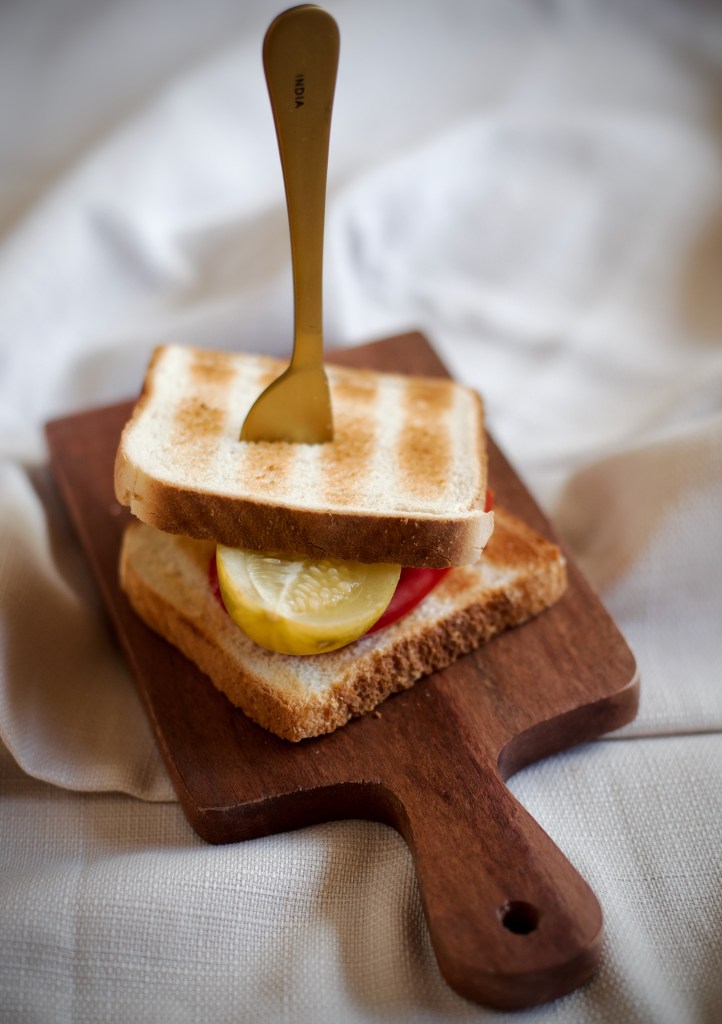
When pickling cucumbers at home, any herbs and spices can be used. I’ve opted for coriander seeds and fennel fronds rather than dills. The coriander seeds are toasted not only to bring out their flavors, but also to ensure they are free of unwanted molds. As for any fermentation project, it is important to keep all ingredients clean and to sanitize all equipment with boiling water. The typical brine for vegetable pickles should taste like sea water, which is 3% salt in weight. A 6% salt brine is also employed for cucumber pickles. Ensure vegetables are completely submerged in brine while fermenting. Since lactic acid bacteria does not need oxygen, the fermenting vessel should be kept lidded.
After a week, brine should taste pleasantly salty and sour with bubbles coming atop, but the cucumbers are not yet soured. Progressively, there should be a white and frothy layer developing atop the brine and a headier aroma. Taste weekly. Once they are good to taste, they can be kept in the refrigerator, which slows the fermentation, but not completely. Unlike vinegared pickles, which can be kept almost indefinitely, naturally fermented pickles should be eaten within a month. Typically sandwiched for hamburgers and hotdogs, I also chopped them into small bits as condiment for noodle soup and rice dishes to add natural tartness.
 hardlyplaying.blog