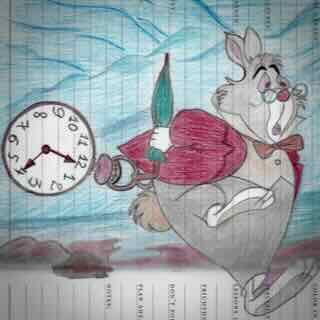
Legend has it that the panettone was born from a forbidden romance in the 15th century. During a Christmas Eve feast hosted by the Duke of Milan – Ludovico il Moro, his head pastry chef burnt the dessert while stealing a kiss from a nobleman’s beautiful wife in the medieval passageway. A young scullery boy named Toni then saved the night by scraping together the leftover bread dough which had been resting for 3 days, orange peels, some raisins, and baking it into the panettone, cue pane di Toni.
The story of culinary innovation has long been seen through accidents, mistakes, and myths. But perhaps the more believable proposition is that recipes are passed through generations, followed their owners’ footsteps, and became anew to adapt to their new homes.
It was not until the late 1800’s that food was considered a serious field to be studied scientifically. Not accidentally, it coincided with the rise of the industrial revolution. The need to produce food commercially in large quantities, yet possessing the same characteristics in every batch requires every ingredient and every part of the process to be controlled.
Beer was among the first to be studied in such manners. By 1914, the Guinness brewery had reached an output of almost a billion pints a year, and the need to have one pint tasting the same as the next was ever apparent. Getting Guinness beer in tip-top quality became the well-respected work of the statistician William Gosset. Constrained by the limited number of samples available for testing, he developed the Student’s T-Test to assess quality for small datasets. Gosset would later collaborate with Karl Pearson in the field of mathematical statistics, and his work helped pioneer the fundamental sciences of industrial quality control.
While food quality control became an industrial engineering pillar throughout the 1900’s, cooking at home, save for becoming more convenient, remained more or less the same. Grandma’s recipes reigned supreme even if the grandchild had moved across the country and had little recollection of how it tasted when grandma used to make it.
The breakthrough for home cooks came during the 1980’s, when Harold McGee published On Food and Cooking: The Science and Lore of the Kitchen. Utilizing scientific knowledge of the natural world, it was a sort of encyclopedia to categorize food and how to handle it in the home kitchen. Ever since, interests in the science of food and cooking have only grown larger. A search on the internet returns answers for most questions upon cooking, from tracking to the minutes the texture of a boiled egg to brewing your own beer to taste like a pint of Guinness.
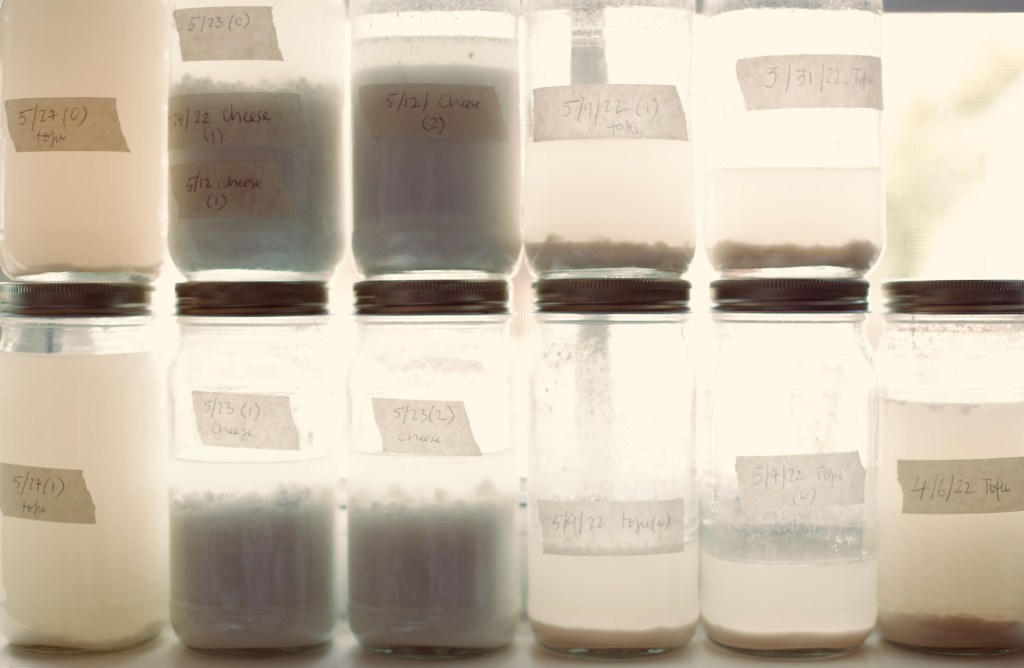
And perhaps this home cook, who has moved across the world, can finally figure out how to fry tofu exactly the way grandma used to make it.
 hardlyplaying.blog